
Franklin County Hotel AI Automation Drives Tourism Boom in Columbus Ohio 2026
Advanced AI agentic operations and automated revenue management are transforming the hospitality sector in Franklin County, Ohio, boosting visitor numbers and optimizing hotel yields in 2026.

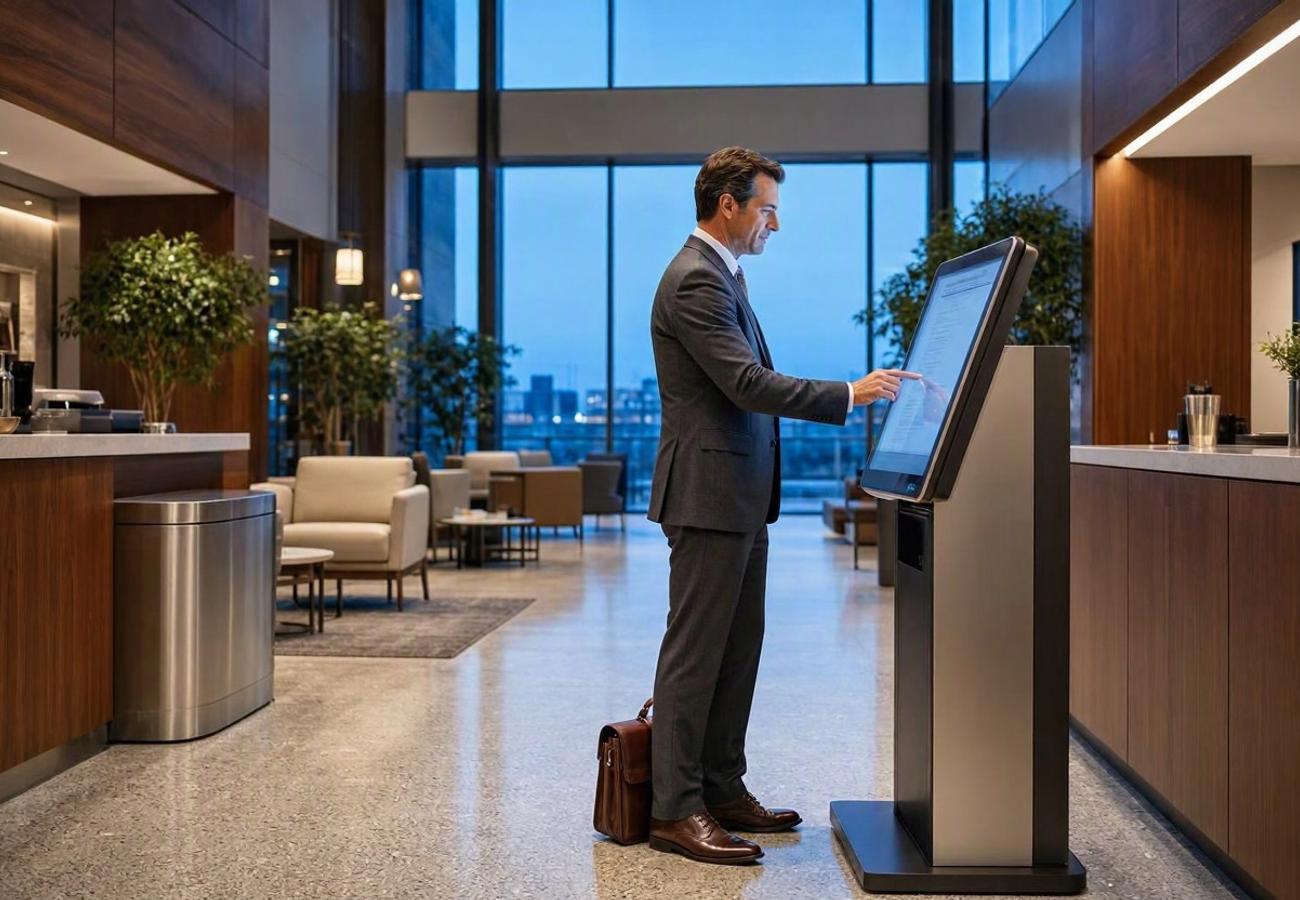
Image generated by AI
A business traveler arriving at John Glenn Columbus International Airport now experiences a frictionless transition to their hotel, where AI-driven agentic systems have already coordinated their room temperature, pre-booked a dinner reservation in the Short North Arts District, and synced their corporate calendar with local transit. This is the new reality of hospitality in Franklin County, where the integration of artificial intelligence has moved beyond simple chatbots to a full-scale operational overhaul.
The Shift to Agentic Operations in Central Ohio
The hospitality sector in Franklin County is currently undergoing a massive transition toward "agentic operations." Unlike traditional automation, these are specialized software systems capable of executing complex tasks and making operational decisions without human oversight. This shift is a primary driver for the current tourism surge in Columbus, allowing hotels to manage high volumes of guests without a corresponding drop in service quality.
By making property data machine-readable, local hotels are ensuring they are the first choice for AI-powered discovery agents used by modern travelers. This technical optimization ensures that convention attendees and leisure tourists find Columbus properties through Large Language Models (LLMs) and automated planning platforms. To support this, the Ohio Travel Association (OTA) has implemented digital credentialing and AI training for hospitality leaders to ensure the workforce can manage these high-tech environments.
Economic Impact and Employment Data
The deployment of these technologies is not replacing the human element but is instead stabilizing a massive labor market. According to data from Tourism Economics, the travel and hospitality sector in Columbus and Franklin County supports 83,306 jobs, which represents approximately 1 in every 14 positions in the region.
AI tools are being used to solve chronic staffing shortages by automating administrative burdens and labor forecasting. This allows staff to move away from spreadsheets and toward high-touch guest interactions. The economic ripple effect extends to local dining and entertainment venues, which benefit from the increased efficiency and higher volume of visitors managed by tech-forward hotels.
Revenue Dynamics and Seasonal Pricing
Hotel operators in Central Ohio are utilizing machine learning to combat the inherent volatility of seasonal travel. By analyzing real-time signals from the Greater Columbus Convention Center and Ohio State University schedules, these systems dynamically adjust pricing to maximize yield.
Revenue Performance by Month (Estimated per Unit)
| Period | Average Monthly Revenue | Demand Driver |
|---|---|---|
| July (Peak) | $2,567 | Summer Tourism & Events |
| May/Sept/Oct (Shoulder) | >$2,000 | Conventions & Academic Starts |
| January (Trough) | $951 | Off-Peak Seasonal Low |
These algorithms prevent revenue leakage by capturing high-yield corporate travelers during shoulder months and scaling rates instantly during major sporting events or city-wide conventions.
The Rise of Hybrid Lodging and Remote Work
The lodging landscape in Franklin County is diversifying rapidly. There has been a 120% year-over-year growth in alternative rental listings. To remain competitive, traditional hotels are adopting "smart-stay" amenities typically found in high-end short-term rentals.
Currently, 78% of active alternative listings in the region feature dedicated workspaces. In response, major hotel portfolios in Columbus have standardized keyless entry, high-speed digital infrastructure, and automated self-check-in platforms to attract the growing demographic of corporate remote workers.
Passenger and Guest Rights in the Age of AI
As hotels move toward automated pricing and AI-driven bookings, guests must be aware of their rights regarding transparency and data. While the US does not have a centralized "hotel guest law" equivalent to the EU's GDPR for data privacy, the Federal Trade Commission (FTC) monitors unfair or deceptive pricing practices.
What guests should know:
- Dynamic Pricing: While hotels can change rates in real-time, once a booking is confirmed at a specific price, the hotel cannot unilaterally increase that rate for the same stay.
- AI Errors: If an AI booking agent makes a clerical error or double-books a room, the guest is entitled to a comparable alternative or a full refund of the deposit.
- Data Privacy: Guests should review the privacy policies of "smart hotels" to understand how their historical preferences are being used to generate "tailored" suggestions.
Rebooking and Stay Strategies for Columbus Visitors
For those visiting Franklin County during peak periods (July or October), the following strategies can help mitigate the effects of AI-driven price spikes:
- Monitor Flight-to-Hotel Correlation: Use tools like FlightAware to track spikes in arrivals to CMH; often, hotel rates jump 48-72 hours before a major event.
- Leverage Alternative Portfolios: With 120% growth in short-term rentals, check platforms like Airbnb or Vrbo if traditional hotels hit price ceilings during Ohio State game weekends.
- Direct Booking vs. AI Agents: While AI agents are convenient, booking directly through the hotel's official portal often provides better leverage for requesting upgrades or resolving disputes.
FAQ: Columbus Hotel AI 2026
Is AI replacing hotel staff in Franklin County? No. AI is automating administrative tasks and scheduling to mitigate staffing shortages, allowing the 83,306 hospitality workers in the region to focus on face-to-face guest service.
Why do hotel prices in Columbus fluctuate so much? Hotels use machine learning to adjust rates based on real-time demand from the Greater Columbus Convention Center, university events, and flight data, leading to peaks in July and troughs in January.
Are smart-stay amenities available in all Columbus hotels? They are becoming the baseline. Most major portfolios and 78% of alternative rentals now offer keyless entry and dedicated remote-work infrastructure.
Can I dispute an AI-generated price? Once a reservation is confirmed, the price is locked. If an AI error occurs during booking, you are entitled to a refund or comparable accommodation under standard consumer protection guidelines.
The future of the Midwest travel economy is no longer about the destination, but the intelligence of the journey.
Related Travel Guides
Disclaimer
This article is for informational and educational purposes only. It does not constitute legal, financial, or professional advice. While we strive to provide accurate and up-to-date information, travel policies, regulations, and conditions change rapidly. Always verify information with official sources before making travel decisions. Nomad Lawyer makes no representations about the accuracy, reliability, completeness, or suitability of the information provided. Readers should consult qualified professionals for advice specific to their circumstances. The views expressed in this article are those of the author and do not necessarily reflect the views of Nomad Lawyer.
Raushan Kumar
Founder & Lead Developer
Full-stack developer with 11+ years of experience and a passionate traveller. Raushan built Nomad Lawyer from the ground up with a vision to create the best travel and law experience on the web.
Learn more about our team →