
France's 59 Regional Natural Parks Drive Sustainable Tourism Growth and Heritage Travel in 2026
France's network of 59 Regional Natural Parks is expanding sustainable nature tourism, heritage travel, and culinary experiences for global visitors.

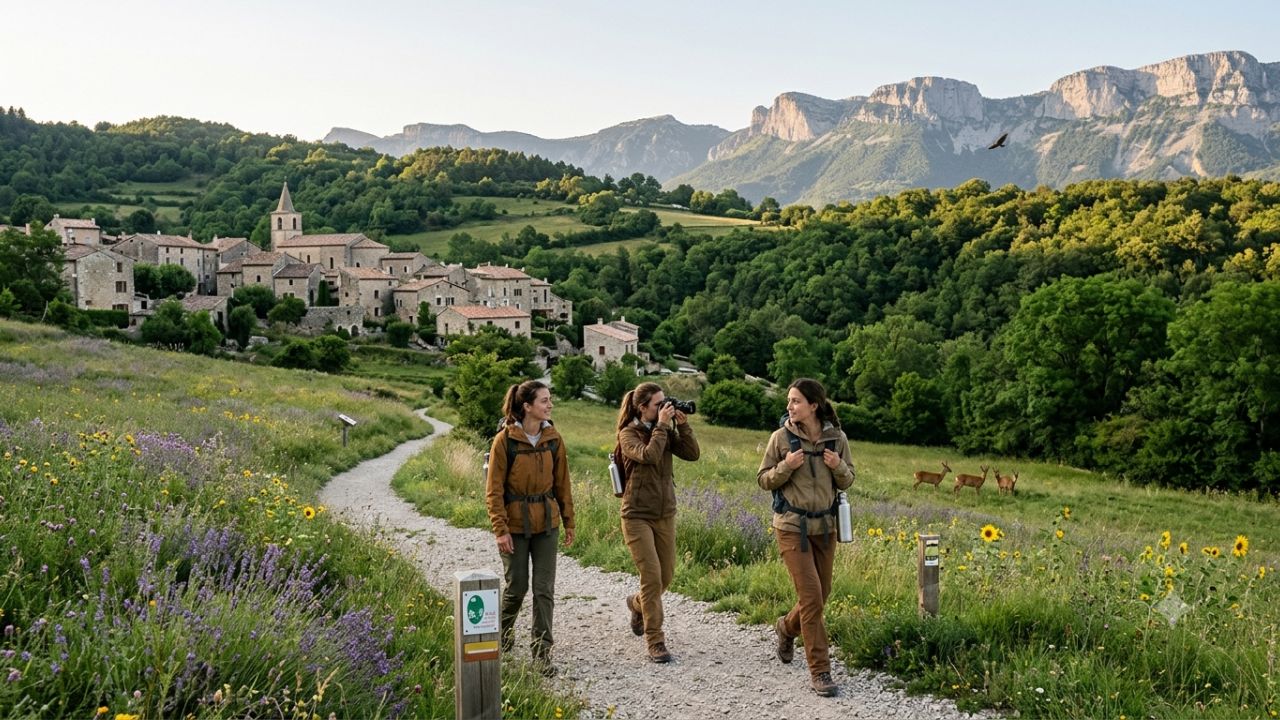
Image generated by AI
PARIS, France — France is expanding its sustainable travel sector through a nationwide network of 59 Regional Natural Parks, offering international visitors authentic heritage, wildlife conservation, and regional gastronomy beyond urban centers.
The initiative responds to growing global demand for responsible nature-based travel, directing international tourism revenue directly into rural communities. Protecting living landscapes across mountains, wetlands, forests, and coastlines, the 59 regional parks—including the Volcanoes of Auvergne, Camargue, Ballons des Vosges, Armorique, and Causses du Quercy—demonstrate how environmental protection and rural economic development can operate together.
Protected Living Landscapes Combine Conservation and Rural Heritage
Unlike traditional strict wilderness reserves that exclude human activity, France’s regional natural park framework covers inhabited territories. Farmers, food producers, and local artisans actively maintain traditional agricultural and cultural practices across park boundaries, shaping the character of the French countryside.
Spanning diverse geographical zones from the Pyrenees and Alps to Atlantic coastlines and Mediterranean wetlands, these parks provide structured outdoor recreation while preserving fragile habitats. Visitors gain access to extensive hiking trails, cycling routes, dark-sky stargazing areas, and wildlife observation points.
| Tourism Segment | Available Park Experiences |
|---|---|
| Landscape Diversity | Alpine mountains, volcanic ranges, wetlands, coastlines, and rural valleys |
| Nature & Wildlife Tourism | Ecological trail networks, species observation, and habitat conservation sites |
| Cultural Heritage Tourism | Historic stone villages, architectural monuments, and artisan craft workshops |
| Gastronomy Tourism | Protected regional cheeses, agricultural markets, and traditional culinary routes |
| Adventure Tourism | Mountain hiking, cross-country cycling, river kayaking, and rock climbing |
Distinctive Identities Across Key French Regional Parks
Each regional natural park maintains a distinct environmental and tourism identity, allowing travelers to select destinations tailored to specific interests.
| Regional Park | Primary Tourism & Landscape Identity |
|---|---|
| Camargue | Protected Mediterranean wetlands, white horses, pink flamingos, and coastal lagoons |
| Armorique | Rugged Atlantic coastlines, maritime heritage, and island trail networks |
| Morvan | Dense granite forests, lakes, and designated dark-sky astronomy reserves |
| Aubrac | High volcanic plateaus, rural cattle-herding traditions, and gastronomy |
| Médoc | Protected pine forests, Atlantic beaches, and historic vineyard estates |
Gastronomy and Culinary Tourism Connect Visitors to Local Terroir
Food tourism forms a major foundation of the regional park experience, providing a direct link between protected agricultural environments and culinary traditions. Local farming communities produce world-renowned artisanal items under protected geographical indications.
Park networks such as Causses du Quercy, Périgord-Limousin, Haut-Jura, Grands Causses, and Aubrac are celebrated for regional food production. Travelers can visit working dairy farms, weekly village markets, and traditional curing cellars to experience regional specialties at their source.
| Regional Park | Renowned Culinary Heritage & Local Specialties |
|---|---|
| Causses du Quercy | Rocamadour goat cheese, organic saffron, walnuts, and black truffles |
| Haut-Jura | Comté cheese production and mountain dairy farming heritage |
| Ballons des Vosges | Traditional Munster cheese aging and mountain farm inns |
| Grands Causses | Historic Roquefort cheese caves and limestone plateau sheep farming |
| Volcanoes of Auvergne | Cantal cheese, Aligot potato-cheese dishes, and regional volcanic cuisine |
Swiss Travelers Leverage Proximity for Alpine and Countryside Escapes
Travelers from neighboring Switzerland represent a major target market for France’s regional parks, drawn by convenient land connections and shared passion for outdoor sports. While Swiss visitors are familiar with Alpine environments, French parks offer complementary landscapes such as extinct volcanic ranges, Atlantic coastal trails, and quiet rural river valleys.
Alpine parks like Vercors and Chartreuse provide extensive hiking networks and family-friendly nature trails, while lowland parks offer long-distance cycling routes that contrast with high-altitude Swiss terrain.
| Swiss Traveler Interest | Corresponding French Park Offerings |
|---|---|
| Mountain Adventure | Pyrenees and Alpine park trail networks |
| Long-Distance Hiking | Multi-day regional trails in Vercors and Chartreuse |
| Cycling & Bikepacking | Marked rural cycling routes through rolling countryside |
| Family Nature Excursions | Accessible wildlife education centers and guided nature walks |
| Environmental Sustainability | Certified eco-friendly accommodations and electric transit options |
Indian Visitors Discover French Culture and Rural Luxury Beyond Paris
Indian leisure travelers are increasingly expanding itineraries beyond Paris and iconic urban landmarks, seeking romantic countryside landscapes, heritage architecture, and premium nature retreats. France’s 59 Regional Natural Parks offer peaceful alternatives suited for honeymoons, family vacations, and photography trips.
Historic villages within park boundaries feature luxury boutique châteaux, farm-to-table dining, and private guided excursions, combining French cultural elegance with tranquil natural settings.
| Indian Traveler Segment | Tailored Regional Park Experiences |
|---|---|
| Luxury Travelers | Exclusive boutique stays in historic countryside estates |
| Honeymoon Couples | Scenic mountain vistas, quiet coastal walks, and romantic villages |
| Family Vacations | Interactive nature trails, wildlife sanctuaries, and farm visits |
| Cultural Enthusiasts | Medieval stone villages, artisan workshops, and historic monuments |
| Culinary Explorers | Regional cooking classes, cheese tastings, and local food markets |
Chinese Travelers Embrace Slow Travel, Photography, and Heritage
For Chinese tourists, France's regional parks present opportunities for immersive slow travel, photography, and cultural exploration. While city sightseeing and shopping remain popular, growing numbers of independent Chinese travelers seek authentic rural experiences.
The dramatic landscapes of Auvergne's volcanic peaks, Brittany's coastal cliffs in Armorique, and medieval villages in Causses du Quercy attract photography enthusiasts and culture seekers looking for distinctive travel stories.
| Chinese Traveler Focus | Key Park Features & Attractions |
|---|---|
| Landscape Photography | Volcanic craters, coastal granite cliffs, and pristine wetlands |
| Cultural Exploration | Preserved heritage villages, historic castles, and local museums |
| Premium Rural Escapes | High-end eco-lodges offering private nature experiences |
| Food & Terroir Discovery | Authentic regional cheese cellars and agricultural tastings |
| Nature & Wildlife Excursions | Guided birdwatching in Camargue and forest hiking in Morvan |
Global Impact: Decentralizing Tourism and Supporting Rural Economies
The economic impact of France's 59 Regional Natural Parks extends far beyond conservation. By drawing international visitors into lesser-known rural zones, the park system redistributes tourism revenue away from congested urban hubs like Paris, Nice, and Mont-Saint-Michel.
| Economic & Tourism Impact Area | Systemic Contribution to Global Travel |
|---|---|
| Rural Economic Development | Direct financial support for small agricultural and hospitality businesses |
| Overtourism Mitigation | Decentralizes visitor density by offering high-quality regional alternatives |
| Environmental Conservation | Funds ongoing biodiversity tracking and habitat restoration projects |
| Cultural Heritage Preservation | Keeps traditional farming, building methods, and crafts economically viable |
| Extended Visitor Stays | Encourages longer trip durations through multi-region itinerary building |
Why This Matters: Practical Value for Global Travelers
For international travelers, the expansion of France's Regional Natural Parks changes how a French holiday can be structured. Substituting crowded city queues for protected natural landscapes allows visitors to experience authentic regional culture while maintaining sustainable travel choices.
From an itinerary planning standpoint, the park network offers reliable infrastructure—including marked trails, regional visitor centers, and certified eco-accommodations—that makes self-guided countryside exploration straightforward for international tourists.
FAQ: France Regional Natural Parks (2026)
How many Regional Natural Parks exist in France?
France currently features 59 Regional Natural Parks spanning mountains, wetlands, forests, coastlines, and agricultural regions.
How do Regional Natural Parks differ from National Parks in France?
Unlike strict National Parks focused primarily on wilderness protection, Regional Natural Parks are inhabited working landscapes where farming, local communities, and sustainable tourism operate together.
What are some of the most famous food specialties in French parks?
Notable food products include Comté cheese in Haut-Jura, Rocamadour cheese in Causses du Quercy, Roquefort in Grands Causses, and Aligot in Auvergne.
Are French regional parks easy to visit for international travelers?
Yes, most parks offer well-marked trail networks, visitor centers, regional rail connections, and certified eco-friendly accommodations suitable for independent travelers.
Related Travel Guides
Disclaimer
This article is for informational and educational purposes only. It does not constitute legal, financial, or professional advice. While we strive to provide accurate and up-to-date information, travel policies, regulations, and conditions change rapidly. Always verify information with official sources before making travel decisions. Nomad Lawyer makes no representations about the accuracy, reliability, completeness, or suitability of the information provided. Readers should consult qualified professionals for advice specific to their circumstances. The views expressed in this article are those of the author and do not necessarily reflect the views of Nomad Lawyer.
Kunal K Choudhary
Co-Founder & Contributor
A passionate traveller and tech enthusiast. Kunal contributes to the vision and growth of Nomad Lawyer, bringing fresh perspectives and driving the community forward.
Learn more about our team →