
France Public Transport Reliability Analysis: How TGV and Regional Networks Drive Tourism 2026
An in-depth analysis of France's transport infrastructure, examining the reliability of TGV high-speed rail, regional TER services, and the complex urban mobility networks of Paris.

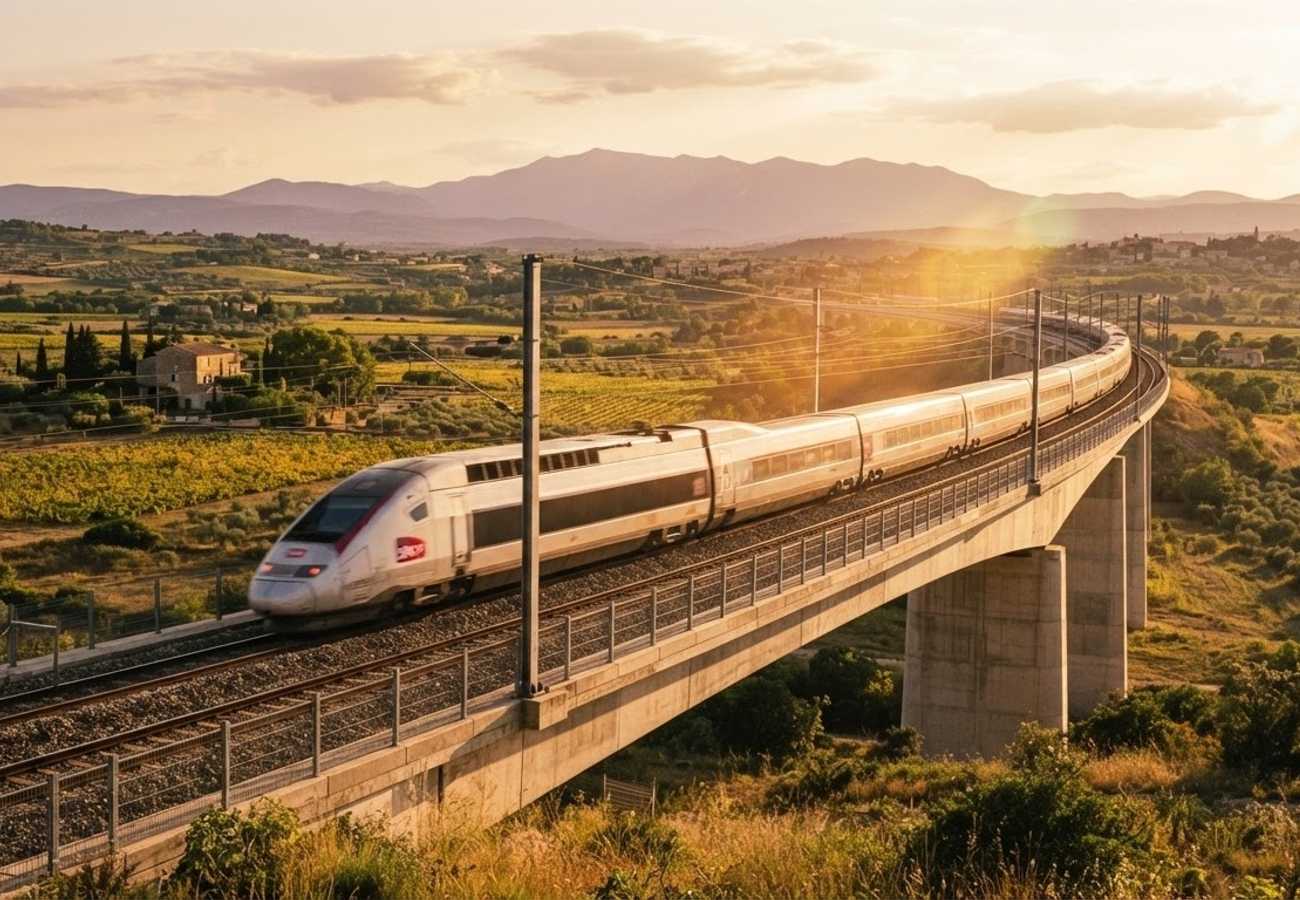
Image generated by AI
France's mobility infrastructure remains one of Europe's most significant transport systems, leveraging a multi-layered network to connect millions of residents and international tourists. By integrating high-speed rail with dense urban transit, France has created a reliable edge in nationwide connectivity.
The French transport model is not a monolithic entity but a tiered system. Long-distance travel is dominated by SNCF high-speed services, while regional movement relies on TER trains, and metropolitan hubs depend on a sophisticated mix of metros, trams, and buses.
To maintain this edge, France employs a transparent data-driven approach. The official SNCF open-data platform provides detailed punctuality indicators for TGV, TER, and Transilien services, allowing for targeted infrastructure improvements based on monthly performance measurements.
High-Speed Rail as a Global Competitive Advantage
The TGV (Train à Grande Vitesse) system is the cornerstone of the France Rail Network. By utilizing dedicated high-speed tracks and modern signaling technology, France has effectively reduced the necessity for domestic flights between major economic centers.
TGV services provide rapid, reliable links between Paris and key destinations, including:
- Lyon
- Marseille
- Bordeaux
- Strasbourg
- Lille
The reliability of this network is managed through specific punctuality thresholds. SNCF applies different delay limits based on journey duration, recognizing that passenger expectations for a short trip differ from those of a cross-country voyage. This precision in operational management ensures that business and leisure travelers can navigate the country with high confidence.
Regional Connectivity and Operational Variables
While the TGV represents the peak of French rail performance, the TER (Transport Express Régional) services offer a more nuanced experience. These trains are vital for accessing rural communities and smaller cities in regions such as Normandy, Provence, Brittany, and the Alps.
Unlike the centralized TGV, TER performance is influenced by regional variables:
- Local Investment: Funding decisions made at the regional level.
- Infrastructure State: Varying track conditions across different provinces.
- Demand Volatility: Fluctuations in passenger volume based on seasonal tourism.
- Network Complexity: The challenge of managing thousands of kilometers of diverse rail lines.
Because of these factors, punctuality varies by region. This variance does not indicate systemic failure but rather the inherent difficulty of maintaining a vast, decentralized network.
Urban Mobility in Paris: Density and Pressure
Paris operates one of the world's most dense urban transport systems, managed largely by the RATP. The network—comprising metro lines, RER suburban trains, trams, and buses—allows for a vehicle-free experience in one of the world's busiest cities.
The reliability of the Paris Metro is driven by frequency. Short intervals between trains mean that minor disruptions rarely result in significant passenger delays. Furthermore, the shift toward fully automated systems on selected lines has enabled more precise scheduling and faster recovery times during incidents.
However, the system faces constant pressure from:
- Extreme passenger volumes.
- Aging infrastructure on legacy routes.
- Complex commuter patterns.
The RER and Suburban Rail Complexity
The RER and Transilien networks highlight the friction points of French mobility. These services bridge the gap between the city center and the suburbs, carrying massive daily commuter loads over longer distances than the standard metro.
Reliability on these routes is often lower due to shared infrastructure. When multiple operators use the same tracks, a single localized failure can trigger a cascade of delays across the wider network. The French Court of Audit has previously noted challenges regarding service quality and passenger experience within the Île-de-France regional express network.
Despite these pressures, the RER remains the primary artery for tourists visiting outskirts like Versailles, balancing huge volumes against rigid infrastructure constraints.
Infrastructure Performance Overview
The following table outlines the operational characteristics of the primary transport modes in France.
| Transport Mode | Primary Operator | Primary Use Case | Reliability Driver | Key Challenge |
|---|---|---|---|---|
| TGV | SNCF | Long-distance / Intercity | Dedicated high-speed tracks | High operational costs |
| TER | SNCF / Regions | Regional / Rural access | Regional investment | Infrastructure variance |
| Metro | RATP | Inner-city Paris | High frequency / Automation | Aging infrastructure |
| RER | RATP / SNCF | Suburban to City Center | High capacity | Shared track complexity |
| Bus/Tram | Local Authorities | Short-haul / Last-mile | Urban planning | Traffic congestion |
Strategic Takeaways for Travelers
- Prioritize TGV for Intercity: For travel between major hubs, the TGV is the most reliable and time-efficient option.
- Buffer Regional Trips: When using TER trains in rural areas, allow extra time for transfers due to regional punctuality variances.
- Leverage Metro Frequency: In Paris, the high frequency of the metro makes it the most resilient option for sightseeing.
- Monitor RER Status: Check real-time updates for RER services, as shared infrastructure makes them more prone to wider network disruptions.
Frequently Asked Questions
How does France measure train punctuality? SNCF uses a transparent open-data platform that categorizes punctuality by service (TGV, TER, Transilien) and applies different delay thresholds based on the total length of the journey.
Is the Paris Metro more reliable than the RER? Generally, yes. The Metro benefits from higher frequency and, in some cases, full automation, whereas the RER deals with longer distances and shared infrastructure with other rail operators.
Which regions are best served by TER trains? TER is essential for exploring Normandy, Provence, Brittany, and the Alpine regions, though reliability can vary depending on local infrastructure investment.
France continues to refine its mobility edge through a combination of aggressive automation and transparent performance monitoring.
Related Travel Guides
Disclaimer
This article is for informational and educational purposes only. It does not constitute legal, financial, or professional advice. While we strive to provide accurate and up-to-date information, travel policies, regulations, and conditions change rapidly. Always verify information with official sources before making travel decisions. Nomad Lawyer makes no representations about the accuracy, reliability, completeness, or suitability of the information provided. Readers should consult qualified professionals for advice specific to their circumstances. The views expressed in this article are those of the author and do not necessarily reflect the views of Nomad Lawyer.
Kunal K Choudhary
Co-Founder & Contributor
A passionate traveller and tech enthusiast. Kunal contributes to the vision and growth of Nomad Lawyer, bringing fresh perspectives and driving the community forward.
Learn more about our team →