Two Major Airlines Debut Bold New Blue Liveries in Rare Industry Showcase

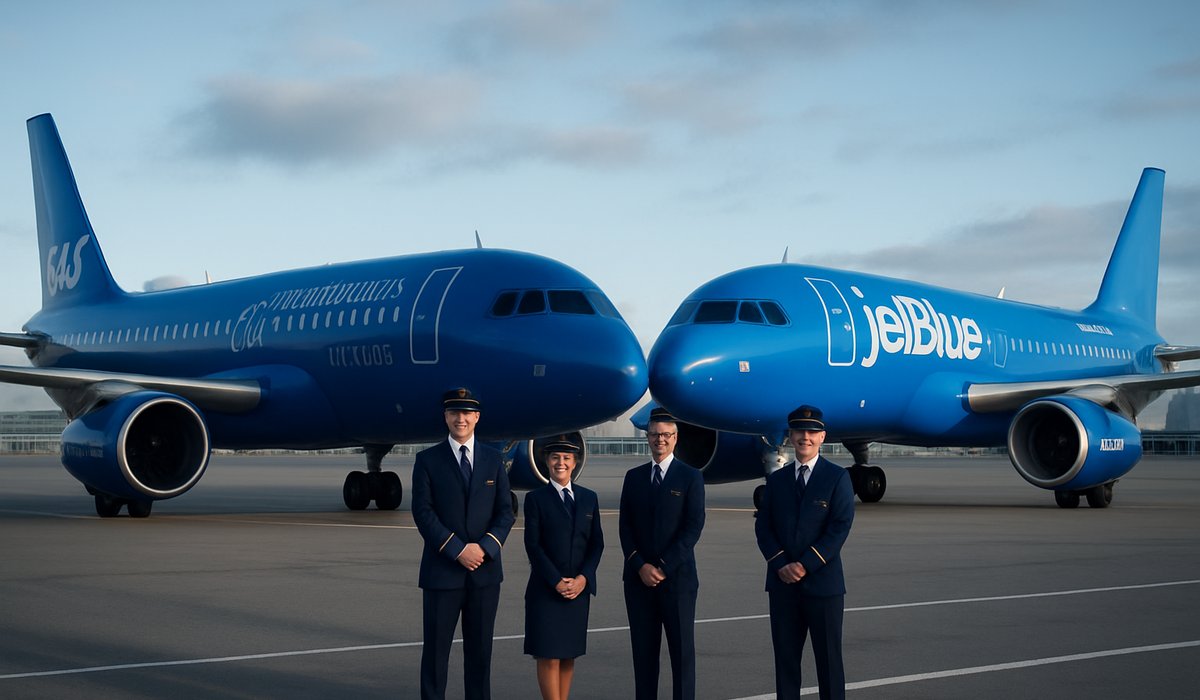
Image generated by AI
SAS and JetBlue simultaneously reveal redesigned aircraft paint schemes, signaling fresh brand positioning in competitive aviation market
Aviation's Blue Moment: Two Carriers Redesign Visual Identity
Scandinavian Airlines (SAS) and JetBlue Airways have each unveiled striking new blue-themed liveries for their aircraft fleets, marking a significant moment in commercial aviation branding. The dual announcement represents a coordinated shift in how two mid-sized carriers are positioning themselves within an increasingly competitive global travel landscape, where visual identity plays a crucial role in brand differentiation and customer loyalty.
The timing of both unveilings underscores a broader industry trend: as airlines navigate volatile jet fuel prices, rising baggage charges, and evolving passenger expectations, refreshed branding has become a strategic tool to signal modernization and renewed commitment to customer experience. For SAS, a carrier serving Nordic and European markets, and JetBlue, which dominates Northeast US and Caribbean routes, the livery redesigns represent more than aesthetic choices—they reflect institutional evolution during a period of intense cost pressures and competitive repositioning.
Strategic Branding in a Cost-Conscious Era
The simultaneous rollout demonstrates how airlines leverage visual rebranding to maintain relevance when operational challenges mount. Both carriers operate in markets where fuel surcharges and ancillary fees—including baggage charges—have become standard revenue streams. A refreshed brand identity helps airlines justify premium positioning and reinforce value propositions to price-sensitive consumers.
SAS's new blue scheme reflects the carrier's emphasis on Scandinavian heritage and design principles, while JetBlue's redesign reinforces its positioning as a customer-focused carrier in the competitive North American market. Both decisions signal confidence despite industry headwinds, including volatile aviation fuel costs that have consistently pressured airline margins throughout the past eighteen months.
What This Means for the Broader Industry
The unveiling carries implications beyond aesthetics. Aviation industry observers note that mid-sized carriers increasingly invest in brand differentiation as larger competitors like Delta, United, and American Airlines dominate through scale and network reach. New liveries function as visible marketing assets that generate media attention, social media engagement, and reinforced brand recognition among frequent travelers.
For passengers, these redesigns may precede expanded route networks or service enhancements, as carriers typically coordinate brand refreshes with strategic growth initiatives. Both airlines serve price-conscious and premium segments, making strong brand identity essential for yield management and customer retention.
FAQ: Understanding Airline Liveries and Modern Aviation Branding
Why do airlines redesign their liveries? Airlines refresh liveries to signal modernization, improve brand recognition, and maintain competitive positioning. Visual identity influences customer perceptions of safety, reliability, and service quality.
How do livery changes relate to airline fees and pricing? Rebranding often accompanies strategic repositioning that may include adjustments to baggage charges, ancillary fees, and pricing structures as carriers optimize revenue management.
What impact do jet fuel prices have on airline branding decisions? High fuel costs pressure airlines to strengthen brand loyalty and premium positioning, making distinctive liveries valuable tools for justifying higher fares and ancillary charges.
Which airlines have recently updated their liveries? SAS and JetBlue are among recent carriers implementing major visual redesigns, joining major carriers like Lufthansa and Air France in recent rebranding efforts.
How do new liveries affect airline operations and costs? Livery changes involve aircraft repainting expenses but generate marketing value through media coverage and improved brand visibility that can offset implementation costs.
Related Travel Guides
- Caribbean York Baby Born During Kennedy Airport Approach in 2026
- Virginia Launches Massive $20 Million Aviation Fortress at Manassas Regional Airport to Shield Business Travelers from Severe Travel Chaos
- Catastrophic Travel Chaos Hits Europe: 710 Delays and Mass Flight Cancellations Strike London, Paris, Madrid, and Helsinki in Severe Aviation Update
This article is for informational purposes. Flight routes, passenger regulations, visa rules, and transit advisories are subject to change by airlines and aviation authorities. Readers are advised to verify schedules and travel documentation with relevant carriers and border agencies before departure.
Related Stories
easyJet Launches Direct Liverpool to Reykjavik Flights: Inside the North West's New Winter Gateway to Iceland
British Airways Revives Long-Haul Meal Pre-Orders on Las Vegas Flights: Inside the World Traveller Plus Dining Trial