FAA Nationwide Ground Stop 2026: L3Harris Router Failure Triggers 15,600 Flight Cancellations

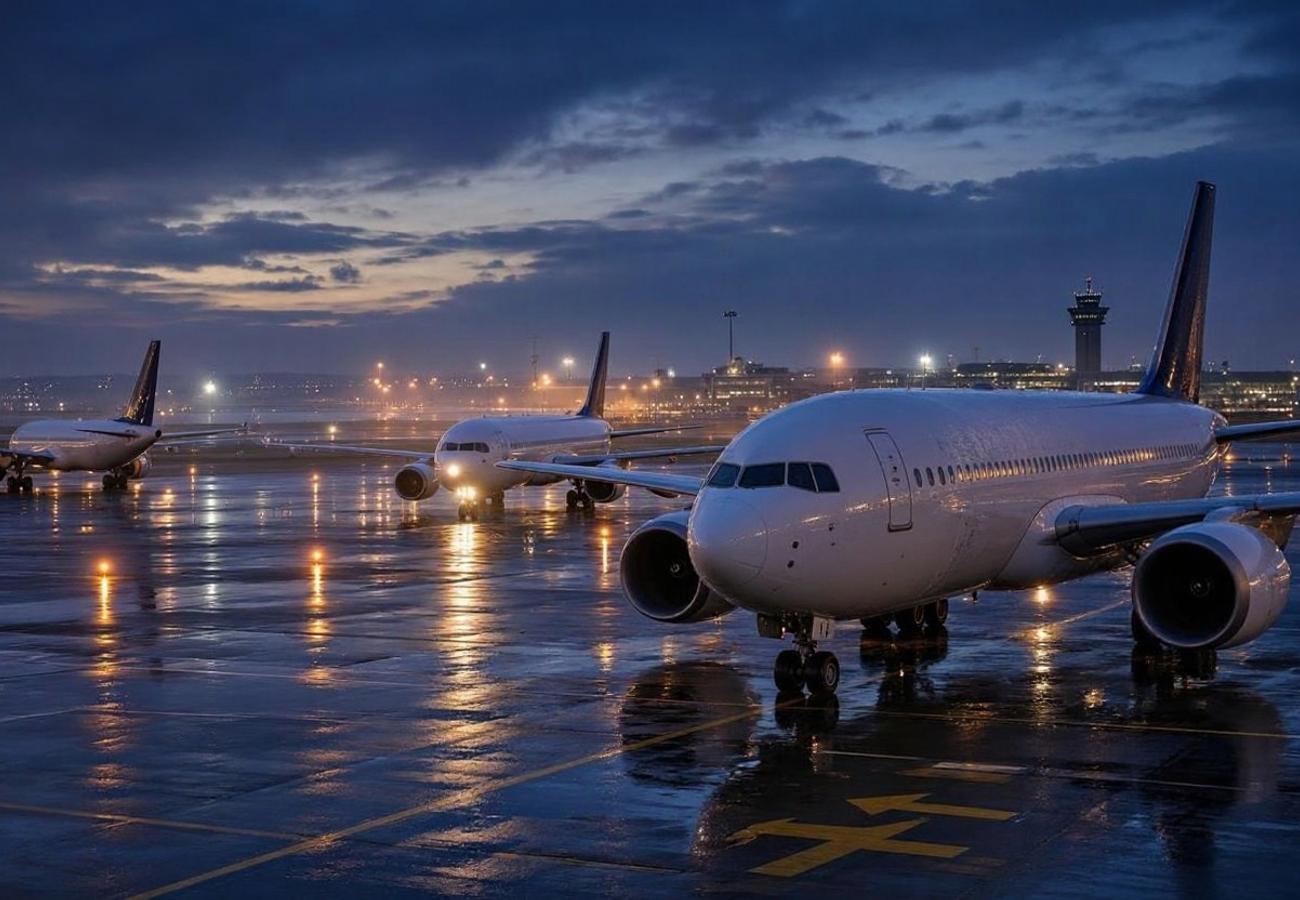
Image generated by AI
More than 15,600 flights were cancelled across a 48-hour window following a catastrophic failure in the US air traffic control communications system on November 13, 2026. This event represents the most severe nationwide flight shutdown in a quarter-century, exposing the fragility of an aging aviation infrastructure struggling to transition from analogue to digital systems.
The Technical Catalyst: A Router Loop
The systemic collapse began at 3:36 p.m. ET on Friday, November 13, when the Federal Aviation Administration (FAA) detected severe instability in radar and communication feeds. The trigger was not a cyberattack, but a localized installation error during a routine infrastructure upgrade.
Contractor L3Harris was tasked with replacing legacy copper telephone lines with modern fiber-optic connections at a remote FAA site. During this transition, a newly installed router malfunctioned, initiating a "broadcast storm" of connection attempts. Specifically, the equipment generated over 1,000 connection requests every four to five seconds, effectively DDOS-ing the wider network.
This surge overloaded critical routers and disrupted radar feeds across 17 of the 22 FAA en-route air traffic control centers. While no facility suffered a total loss of communication, the risk of a complete blind spot in the cruising phase of flight forced the FAA to implement a nationwide ground stop.
Operational Breakdown and Recovery Data
The ground stop remained in effect until 8:15 p.m. ET on Friday. While the International Air Transport Association (IATA) standards generally allow for rapid recovery, the "hangover" effect of this shutdown lasted through Saturday, November 14, as airlines struggled with "out-of-position" aircraft and crew timing-out.
The following data outlines the scale of the disruption:
| Metric | Friday, Nov 13 | Saturday, Nov 14 | Total Impact |
|---|---|---|---|
| Flight Cancellations | 9,200 | 6,400 | 15,600 |
| Flight Delays | 7,500 | 8,000 | 15,500 |
| Grounded Flights (Direct) | 3,500+ | N/A | 3,500+ |
| Resumed Operations (Fri Night) | 8,000+ | N/A | 8,000+ |
Expert Analysis: The Infrastructure Debt Crisis
For travelers booking domestic or international transit through the US, this incident reveals a dangerous "infrastructure debt." The fact that a single router installation could paralyze 77% of the nation's en-route centers indicates a lack of sufficient redundancy in the FAA's communication architecture.
The direct consequence for the passenger is a heightened risk of "cascading failures." In modern aviation, a ground stop is rarely a one-day event. Because crews have strict legal limits on their duty hours, a five-hour delay on Friday often results in a cancellation on Saturday because the crew has "timed out."
Furthermore, the reliance on a single contractor (L3Harris) for critical digital transitions creates a single point of failure. Until the Department of Transportation completes the comprehensive modernization requested by Secretary Sean Duffy, travelers should expect occasional systemic shocks as legacy copper systems are phased out. The pricing pressure created by these disruptions often leads to temporary spikes in last-minute fare costs as airlines scramble to re-route passengers on limited available seats.
Key Takeaways
- Systemic Vulnerability: A single faulty router generated 1,000+ requests every 4-5 seconds, crashing 17 of 22 en-route centers.
- Recovery Lag: While the ground stop lasted roughly 5 hours, the operational recovery took over 48 hours due to crew and aircraft displacement.
- Carrier Waivers: Major airlines (United, Delta, American, JetBlue) issued fee-free rebooking waivers, though terms varied by booking date and destination.
- Infrastructure Warning: The event is the longest nationwide halt to US air travel since September 11, 2001, signaling an urgent need for ATC modernization.
FAQ: US Flight Shutdown 2026
Am I eligible for a refund for a cancelled flight? Yes. Under US Department of Transportation rules, passengers are entitled to a full refund if the airline cancels a flight, regardless of the reason (including FAA ground stops), provided the passenger chooses not to travel on the alternative offered.
How do airline travel waivers work? Waivers allow you to change your flight dates or destination without paying a "change fee" or the "fare difference." However, you must check if your specific ticket was purchased before the waiver's cutoff date (e.g., Nov 12 for American Airlines).
Why was my flight cancelled on Saturday if the ground stop ended Friday? This is due to "crew displacement." Pilots and flight attendants have legal work-hour limits. If they were stranded Friday, they may have exceeded their legal duty limits, leaving no available crew to fly the plane on Saturday.
Was this a cyberattack? Preliminary findings from the FAA and Secretary Sean Duffy indicate this was a technical failure during a fiber-optic upgrade by L3Harris, not a malicious external attack.
The transition from copper to fiber is necessary, but the cost of this specific upgrade was paid in thousands of stranded passengers.
Related Travel Guides
This article is for informational purposes. Flight routes, passenger regulations, visa rules, and transit advisories are subject to change by airlines and aviation authorities. Readers are advised to verify schedules and travel documentation with relevant carriers and border agencies before departure.
Related Stories
US Aviation Crisis: FAA Nationwide Shutdown Sparks Push for $30.1 Billion Modern Skies Act
FAA Predicts Sunday Recovery After Nationwide US Aviation Shutdown Disrupted 4,100 Flights in 2026