
Turkish Airlines Plans Game-Changing Nonstop Istanbul-Sydney Route With Next-Generation Aircraft
Breaking airline news and aviation industry updates for 2026.

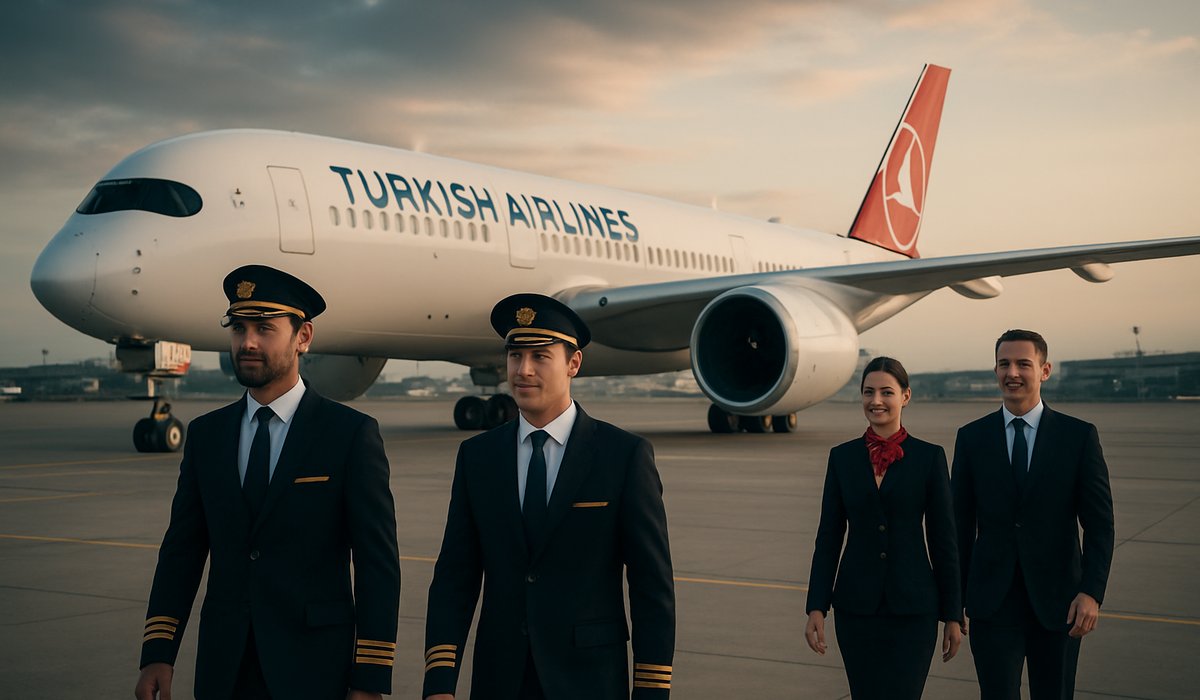
Image generated by AI
Turkish Airlines Plans Game-Changing Nonstop Istanbul-Sydney Route With Next-Generation Aircraft
The carrier's ambitious expansion marks a pivotal shift in ultra-long-haul aviation, set to reshape Middle East-Asia Pacific connectivity
Turkish Airlines is preparing to establish one of the aviation industry's most ambitious ultra-long-haul connections, announcing plans to deploy specially configured Airbus A350-1000 aircraft on a nonstop Istanbul-Sydney service beginning in 2027. The move represents a significant strategic bet by the Istanbul-headquartered carrier to capture growing demand on one of the world's longest viable commercial routes.
Breaking New Ground in Ultra-Long-Haul Aviation
The proposed service would rank among Turkish Airlines' most extended operations to date, covering approximately 8,500 nautical miles and requiring roughly 16-17 hours of continuous flight time. The selection of the A350-1000—Airbus's largest wide-body variant—underscores the carrier's commitment to optimizing both range capability and passenger capacity on this grueling transcontinental corridor.
The A350-1000 variant boasts a maximum range exceeding 9,000 nautical miles and can accommodate up to 350 passengers in standard configurations. Turkish Airlines has indicated it will customize these aircraft with premium cabin layouts to maximize revenue opportunities on the route, reflecting industry trends toward segmented seating strategies on ultra-long-haul flights.
Strategic Positioning in Asia-Pacific Markets
This expansion aligns with Turkish Airlines' broader regional strategy to solidify its position as a critical connectivity hub between Europe and Asia-Pacific. The Istanbul-Sydney connection would position the carrier to compete directly with established players while capitalizing on growing business and leisure travel demand between Australia and European markets.
The route also reflects shifting aviation industry dynamics, where carriers increasingly leverage fuel efficiency improvements and aircraft technology to establish viable nonstop services on previously impractical distances. Jet fuel price volatility has historically constrained such expansion, but newer aircraft generation efficiency gains have reshuffled the economic calculus.
Industry Implications and Competitive Landscape
The announcement signals confidence in Turkish Airlines' operational capabilities and financial resilience during a period of post-pandemic recovery uncertainty. Other carriers operating ultra-long-haul networks—including Singapore Airlines, Qantas, and the Middle Eastern "Big Three"—are closely monitoring such developments as they chart their own expansion roadmaps.
Turkish Airlines' decision to commit aircraft capacity to this route also reflects broader industry recognition that point-to-point connectivity increasingly supplements traditional hub-and-spoke models. This shift carries implications for airline fees structures, baggage charges, and ancillary revenue strategies on premium-positioned ultra-long-haul services.
Frequently Asked Questions
When will Turkish Airlines launch nonstop flights from Istanbul to Sydney? The carrier has announced a target launch date of 2027, pending regulatory approvals and final aircraft delivery schedules from Airbus.
What aircraft will operate the Istanbul-Sydney route? Turkish Airlines will deploy specially configured Airbus A350-1000 wide-body jets, selected specifically for their extended range capability and premium cabin flexibility.
How long will the nonstop flight take? The service is expected to require approximately 16-17 hours of flight time, covering roughly 8,500 nautical miles.
How does this route compare to existing ultra-long-haul flights? At 16+ hours, this would rank among the longest commercially viable nonstop services, competing with routes like Singapore-Newark and Melbourne-Dallas for duration classification.
What does this mean for airline ticket prices on this route? Ultra-long-haul premium positioning typically supports higher base fares and ancillary revenue strategies, though competitive pressures may moderate pricing as the service matures.
Related Travel Guides
- Breaking Airline News: FlyArystan Forges Massive Kazakhstan-China Network Expansion to Aggressively Bypass Terrifying Travel Chaos
- Alaska Airlines Disrupts Long-Haul Travel with Game-Changing Boeing 787-9 Business Class
- United Airlines Boeing 777-322ER Flight UAL2480 from San Francisco to New York Diverts and Makes Precautionary Emergency Landing at Chicago O'Hare Amidst Airport Disruptions and Severe Travel Chaos: New Airline News and Aviation Updates
Disclaimer
This article is for informational and educational purposes only. It does not constitute legal, financial, or professional advice. While we strive to provide accurate and up-to-date information, travel policies, regulations, and conditions change rapidly. Always verify information with official sources before making travel decisions. Nomad Lawyer makes no representations about the accuracy, reliability, completeness, or suitability of the information provided. Readers should consult qualified professionals for advice specific to their circumstances. The views expressed in this article are those of the author and do not necessarily reflect the views of Nomad Lawyer.
Kunal K Choudhary
Co-Founder & Contributor
A passionate traveller and tech enthusiast. Kunal contributes to the vision and growth of Nomad Lawyer, bringing fresh perspectives and driving the community forward.
Learn more about our team →