
Machu Picchu Visitor Limits 2026: Peru Caps Daily Access at 5,600
Peru's Ministry of Culture enforces strict daily visitor caps at Machu Picchu in 2026, limiting access to 5,600 tourists during peak season to preserve the UNESCO World Heritage site.

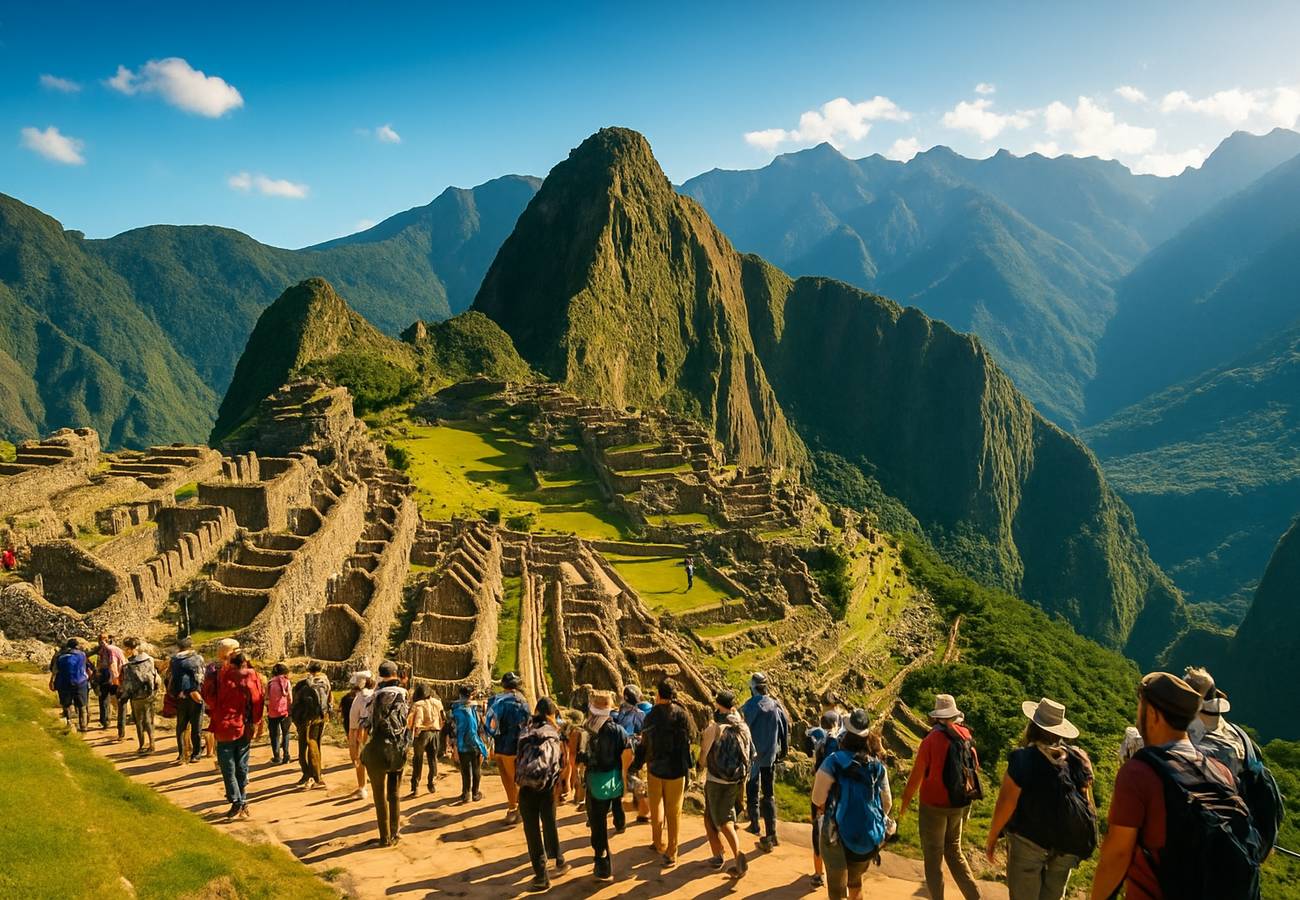
Image generated by AI
Peru Tightens Machu Picchu Access: Daily Caps Drive Advanced Booking Requirements
Peru's Ministry of Culture is enforcing rigorous visitor restrictions at Machu Picchu throughout 2026, marking a significant shift toward preservation-focused tourism management. The government has set a hard daily capacity of 4,500 visitors during low season and 5,600 during peak season, based on technical assessments of archaeological risk and environmental sustainability.
These limits directly respond to overtourism pressures that have threatened the ancient Inca citadel's structural integrity. Reddit: "I booked Machu Picchu six months in advance and still barely got morning slots. Peru is serious about protecting the site." — r/travel
How Peru's New Ticketing System Works for 2026
The Ministry of Culture launched its official ticket platform in early 2026, requiring advance reservations for both the Inca Trail networks and the main Machu Picchu Llaqta site. This transparent, government-controlled system eliminates speculative reselling and ensures accurate visitor counts across the property.
Travelers must select specific entry times and designated circuits when purchasing. The platform operates on a first-come, first-served basis, with peak-season slots selling out months before travel dates. Early planning has become non-negotiable for international visitors seeking guaranteed access.
Designated Circuits Reshape the Visitor Experience
Peru has restructured on-site movement through designated visitor circuits of varying duration, each highlighting different sections of the citadel while protecting vulnerable archaeological zones. These pathways regulate foot traffic at iconic viewpoints like the Temple of the Sun and the Intihuatana stone, reducing concentration damage to fragile structures.
The circuit system balances accessibility with conservation. Some routes last two hours, others four. All require adherence to marked paths—wandering off-trail now carries enforcement risks and potential fines.
Government Audits Expose Overcrowding on Specific Routes
Peru's Contraloría General (government auditor) released findings in early 2026 revealing that certain trails exceeded authorized daily capacity by as much as 60% during parts of 2025. This overloading directly threatened structural preservation and posed visitor safety risks on narrow Inca stonework.
The audit prompted stricter enforcement of ticketing protocols and real-time visitor tracking. Officials now conduct daily headcounts and digital cross-checks to prevent unauthorized access through secondary entry points.
Revenue Issues Undermine Maintenance Funding
Government watchdogs identified lapses in collecting designated visitor tariffs across specific circuits, which directly reduced public funding for infrastructure repairs and maintenance. The Ministry has since tightened financial controls to ensure reinvestment in site upkeep and visitor facilities.
Ticket revenue now flows directly into preservation projects: trail repairs, drainage systems, and archaeological monitoring stations. This financial restructuring ensures that tourism spending directly supports conservation.
Global Trend: Machu Picchu Reflects Worldwide Overtourism Response
Machu Picchu's 2026 policies align with international strategies now employed across Europe, Asia, and beyond. Countries from Venice to Japan's Mount Fuji have implemented similar caps, tourism taxes, and circuit restrictions to protect heritage while managing visitor flows.
This global shift reflects a recognition that unlimited access ultimately destroys the very sites travelers seek. Peru's approach—strict caps, advance booking, designated paths—has become the industry standard for high-volume UNESCO sites.
Debunking the "27,000 Daily Visitors" Rumor
Speculative claims that Peru might raise capacity to 27,000 daily visitors are categorically false. The Ministry of Culture has explicitly denied any such proposal, reaffirming that current limits represent the scientific maximum for sustainable use.
These rumors likely originated from tourism industry actors hoping for deregulation. Official policy remains firmly anchored in archaeological capacity assessments, not demand-driven expansion.
Ministry Campaigns Promote Responsible Visitor Conduct
The Ministry of Culture launched public messaging initiatives emphasizing respectful behavior, rule adherence, and cultural awareness. These campaigns target international travelers before arrival, setting expectations around designated circuits, photography restrictions in certain zones, and sacred site protocols.
The messaging proves particularly effective with younger travelers who value authentic, low-impact experiences. Tour operators report that informed visitors embrace circuit rules once they understand the preservation rationale.
Booking Early Remains Essential for 2026 Peak Season
Travel specialists consistently advise reservations 6-8 months in advance for July-August and December access. Official ticket slots in popular time windows routinely sell out by March and September respectively.
Reddit: "Waited until July to book August dates. Everything gone except 4 AM and 6 PM starts. Book early or get grumpy." — r/Peru
What Infrastructure Improvements Could Reshape Access
Long-term planning discussions at official levels include potential upgrades to Cusco airport capacity and transportation links to the Sacred Valley. While not yet confirmed in public policy, improved air access could facilitate smoother visitor flows without exceeding site capacity—routing more travelers through regulated channels rather than informal guides.
Infrastructure investments would complement the ticketing system, ensuring that authorized visitors encounter world-class facilities rather than overcrowded facilities managed through scarcity.
The Path Forward: Managed Tourism as Cultural Stewardship
Machu Picchu in 2026 represents a deliberate choice: controlled access over unlimited visitation. The Ministry of Culture prioritizes the site's survival over revenue maximization, recognizing that short-term overcrowding destroys the long-term asset.
For travelers, this means booking early, respecting circuits, and accepting that not every moment at the citadel will feel intimate. But it also means visiting a preserved masterpiece rather than a damaged ruins site managed through triage protocols.
Peru chose preservation over profits—a decision every traveler ultimately benefits from.
Related Travel Guides
Bahrain Travel Flights: 150+ Cancellations Impact Global Routes
U.S. Air Force's Aging Fighter Fleet Raises Questions as Aircraft Approach Pilot Ages
Alaska Airlines Unveils First International Business Class Suites on 787-9s
Disclaimer
This article is for informational and educational purposes only. It does not constitute legal, financial, or professional advice. While we strive to provide accurate and up-to-date information, travel policies, regulations, and conditions change rapidly. Always verify information with official sources before making travel decisions. Nomad Lawyer makes no representations about the accuracy, reliability, completeness, or suitability of the information provided. Readers should consult qualified professionals for advice specific to their circumstances. The views expressed in this article are those of the author and do not necessarily reflect the views of Nomad Lawyer.
Preeti Gunjan
Contributor & Community Manager
A passionate traveller and community builder. Preeti helps grow the Nomad Lawyer community, fostering engagement and bringing the reader experience to life.
Learn more about our team →