
Europe’s Mountain Huts Offer Unforgettable Hiking Escapes From Alpine Peaks To Arctic Wilderness
Europe’s Mountain Huts Offer Unforgettable Hiking Escapes From Alpine Peaks To Arctic Wilderness

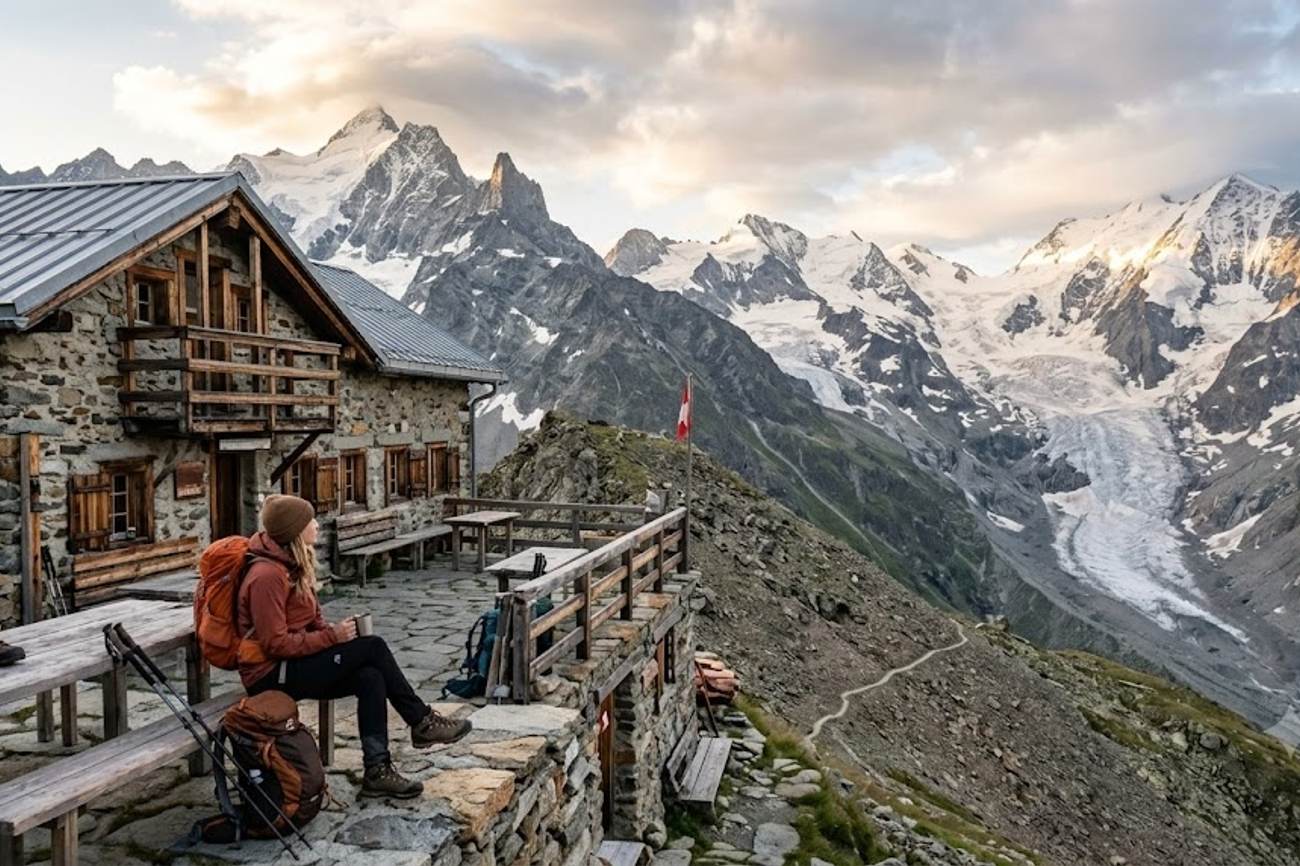
Image generated by AI
The shift toward "Slow Adventure" has seen a marked increase in high-altitude accommodation demand, with the Italian Dolomites seeing a resurgence in refuge occupancy that mirrors the broader 12% growth in European nature-based tourism reported by the World Travel & Tourism Council. While luxury alpine resorts have long dominated the market, there is a quantifiable pivot toward "refuges"—ranging from the basic Scottish Bothies to the serviced Rifugios of Italy—as travelers swap high-density tourist hubs for remote, high-altitude checkpoints.
The Alpine Refuge Metric: Diversification of High-Altitude Stays
The current distribution of European mountain shelters reveals a fragmented market that caters to three distinct traveler personas: the "extreme minimalist," the "heritage seeker," and the "serviced adventurer." Data from the provided regional survey shows that these accommodations are no longer just survival points but are now integrated into the travel product itself.
In Spain, the Cabaña Verónica represents a niche intersection of military history and mountaineering, situated at 2,325 metres. This is not a standard alpine build but a converted naval gun turret, signaling a trend where "architectural curiosity" drives destination choice. Conversely, in Sweden, the Låktatjåkko hut, positioned at 1,228 metres north of the Arctic Circle, leverages regional gastronomy—specifically cloudberry jam and waffles—to create a "comfort-in-wilderness" value proposition.
The operational data for these sites indicates a heavy reliance on seasonal windows. For instance, Chata pod Rysmi in Slovakia and Kredarica in Slovenia operate on strict seasonal calendars dictated by altitude and weather hazards. This seasonality creates artificial scarcity, driving up demand during the peak summer months and requiring a booking lead time that far exceeds standard hotel reservations.
Comparative Regional Analysis: Infrastructure vs. Isolation
When comparing the mountain refuge models across Europe, a clear divide emerges between the "serviced" model of Central Europe and the "independent" model of the North. Italy's Dolomite refuges, such as Rifugio Lagazuoi, have integrated modern infrastructure—including cable car access—to broaden their market reach beyond elite climbers to general tourists. This contrasts sharply with the Scottish Bothy system, which utilizes former shepherd and miner cottages to provide zero-service shelter.
The following table breaks down the operational characteristics of these diverse refuge types:
| Region/Hut | Altitude/Location | Primary Access Method | Service Level | Key Market Driver |
|---|---|---|---|---|
| Cabaña Verónica (Spain) | 2,325m | Foot/Trekking | Basic | Military Heritage |
| Låktatjåkko (Sweden) | 1,228m | Trekking/Winter Gear | Serviced (Food) | Arctic Wilderness |
| Gaustatoppen (Norway) | High Altitude | Underground Railway | Mixed | Cold War History |
| Kredarica (Slovenia) | High Altitude | Alpine Climbing | Serviced | Summit Access |
| Scottish Bothies (UK) | Variable | Independent Hiking | Unserviced | Self-Reliance |
| Rifugio Lagazuoi (Italy) | High Altitude | Cable Car/Hiking | Full Service | WWI History |
This data suggests a market bifurcation. On one end, we see the "industrialization" of the mountain experience in Italy and Norway, where infrastructure like cable cars and underground railways lowers the barrier to entry. On the other end, the GR20 route in Corsica (via Ciottulu di Mori) and the Icelandic coast (via Breiðuvik) maintain a high barrier to entry, appealing to the "wilderness escape" segment that prioritizes isolation over accessibility.
What This Means for Travelers
The data indicates that the "winging it" approach to mountain travel is becoming increasingly risky due to the surge in popularity of these remote sites. If you are planning a trip to the Dolomites or the High Tatras, the following data-driven strategies are recommended:
- Lead-Time Adjustment: For serviced huts like Kredarica or Rifugio Nuvolau, booking windows should now open 3-6 months in advance. The limited sleeping capacity mentioned in the Cabaña Verónica data means that once a hut is full, there are no "overflow" options in the immediate vicinity.
- Equipment Calibration: The difference between a 1,228m Arctic hut and a 2,325m Spanish peak is not just altitude, but gear requirements. Travelers heading to Låktatjåkko must account for extreme cold and limited visibility, whereas those visiting Scottish Bothies must be entirely self-sufficient for food and water.
- Logistical Integration: Use infrastructure to your advantage. In Norway, the Gaustatoppen underground railway provides a unique shortcut that reduces physical strain, making it a viable option for those who want the "mountain experience" without the full-day ascent.
- Seasonal Verification: Because sites like Chata pod Rysmi have strict seasonal closures, travelers must verify dates via IATA regional travel advisories or local tourism boards to avoid arriving at a closed facility in a high-hazard zone.
Forward Projection: The "De-Urbanization" of Luxury
Based on the current trajectory, we are seeing the emergence of "Rugged Luxury." The success of serviced refuges in Italy suggests that travelers are willing to pay a premium for basic amenities if they are paired with extreme exclusivity and dramatic scenery. We can expect a shift where more "unserviced" shelters may seek hybrid models—maintaining their rustic charm while introducing limited, high-value services (like the cloudberry jam model in Sweden).
Furthermore, the integration of history—such as the naval turret in Spain or the WWI sites in Italy—indicates that "Dark Tourism" is merging with "Adventure Tourism." Future growth in this sector will likely be driven by "story-driven" accommodations rather than just "location-driven" ones. As urban centers become more congested, the market share for these remote shelters will likely grow at a CAGR (Compound Annual Growth Rate) that outpaces traditional alpine hotels, provided that environmental sustainability is maintained to prevent the "over-tourism" seen in Venice or Barcelona.
FAQ: European Mountain Refuges 2024-2025
Will prices for mountain hut stays increase? Yes. As demand for "Slow Adventure" grows and the number of available beds remains static due to environmental protections, pricing for serviced huts in the Dolomites and Alps is expected to rise.
Is it safe to visit these huts without a guide? It depends on the site. While Rifugio Lagazuoi is accessible via cable car, sites like Cabaña Verónica or the High Tatras refuges require significant navigation skills and weather preparation.
Which regions are expanding their refuge networks? Central Europe (Slovenia, Slovakia) and Scandinavia are seeing increased interest, though expansion is limited by strict national park regulations to preserve wilderness integrity.
When is the best time to book an Arctic refuge? For winter adventures in Sweden or Norway, booking should occur in Q3 (July-September) to secure spots for the peak winter window.
The future of travel is not found in the lobby of a five-star hotel, but in the shared silence of a high-altitude shelter.
#EuropeanAlpineTrends #MountainRefugeData #SlowAdventure2025 #HighAltitudeTourism #DolomitesMarketShare #ArcticTravelMetrics
Related Travel Guides
Disclaimer
This article is for informational and educational purposes only. It does not constitute legal, financial, or professional advice. While we strive to provide accurate and up-to-date information, travel policies, regulations, and conditions change rapidly. Always verify information with official sources before making travel decisions. Nomad Lawyer makes no representations about the accuracy, reliability, completeness, or suitability of the information provided. Readers should consult qualified professionals for advice specific to their circumstances. The views expressed in this article are those of the author and do not necessarily reflect the views of Nomad Lawyer.
Kunal K Choudhary
Co-Founder & Contributor
A passionate traveller and tech enthusiast. Kunal contributes to the vision and growth of Nomad Lawyer, bringing fresh perspectives and driving the community forward.
Learn more about our team →