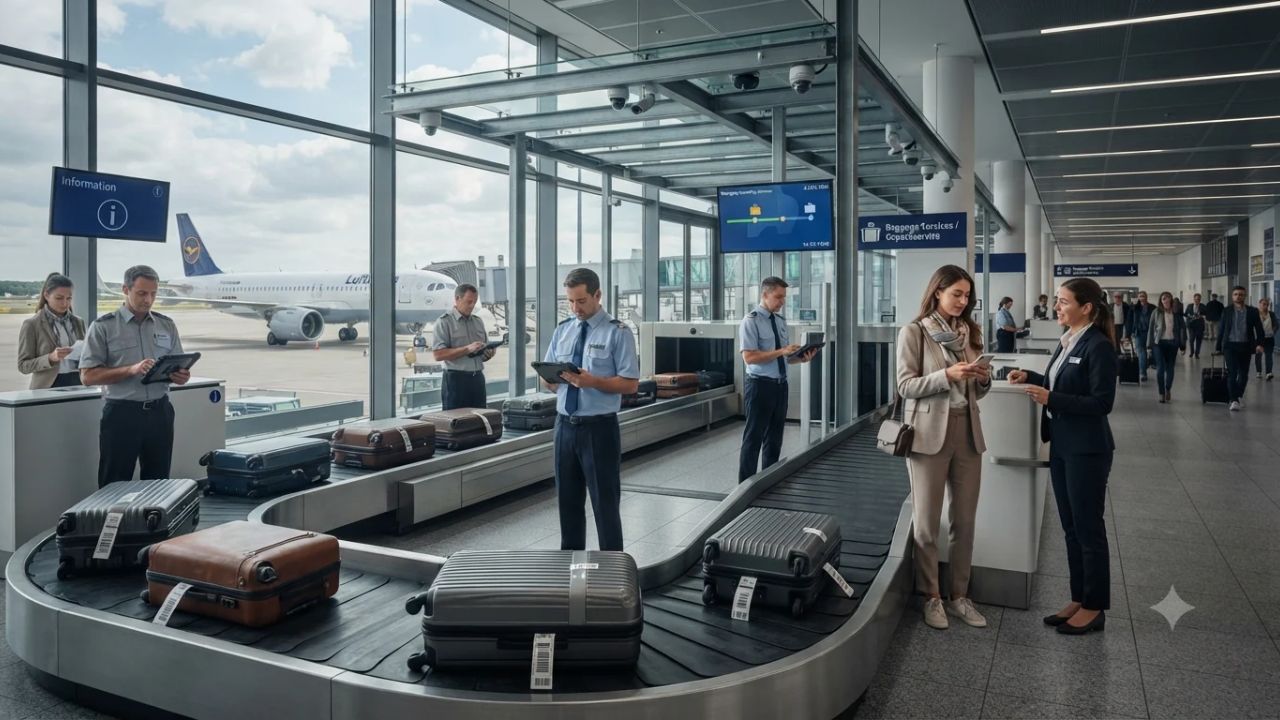
Europe Aviation Squeeze: 114% Jet Fuel Surge Forces 1.4M Seat Cuts and Fare Hikes


For more than two decades, European tourism thrived on an era of hyper-cheap €19 promotional airfares—but with jet fuel surging 114% to an average of $4.84 per gallon following geopolitical conflict in the Middle East, major carriers are slashing over 1.4 million seats this winter and retiring mainline jets in favor of smaller regional aircraft, locking in double-digit ticket price increases across the continent through 2027.
The sudden energy shock has upended European airline balance sheets heading into the winter travel season. Commercial jet kerosene—traditionally an airline's single largest expenditure alongside labor—more than doubled from its pre-crisis baseline, forcing flagship and budget carriers into aggressive operational retrenchment. According to operational monitoring from Eurocontrol and flight tracking analysis from OAG, airlines across Europe have cut scheduled winter seat capacity by over 5%. As carriers replace 180-seat mainline jets with smaller regional aircraft to curb daily fuel burn, the resulting seat scarcity is driving base fares and international carrier surcharges sharply upward.
European Airline Retrenchment Breakdown: Fleet, Labor, and Capacity Cuts
The financial pressure is hitting legacy flagships and low-cost operators alike, proving that financial fuel hedging offers only short-term insulation. While carriers like Lufthansa entered 2026 with 86% of passenger fuel hedged and Ryanair locked in 80% through March 2027, their remaining 14% to 20% exposure to spot-market pricing translates into hundreds of millions of euros in unexpected operating deficits. As those favorable contracts expire heading into 2027, replacement fuel agreements must be executed at prevailing high prices.
In response, Germany’s flagship carrier confirmed plans to eliminate 1,000 full-time jobs across its Frankfurt and Munich hubs—representing 2.5% of its core 40,000-member workforce. Lufthansa's namesake passenger brand posted an operating loss of €180 million over the first nine months of 2026, weighed down by an annual group fuel bill projected to finish €2 billion higher than the prior year and nine days of costly industrial strikes.
The table below outlines documented workforce reductions, fleet swaps, fuel cost burdens, and capacity contractions across major European airline groups:
| Airline / Aviation Group | Workforce & Crew Reductions | Fleet Adjustments & Downsizing | Documented Fuel Impact | Net Capacity & Profit Outcome |
|---|---|---|---|---|
| Lufthansa Mainline | 1,000 full-time roles cut across Frankfurt & Munich | Retiring larger Airbus A320s; deploying smaller A220s | Group fuel bill projected €2 billion higher year-over-year | €180 million operating loss over first 9 months of 2026 |
| KLM (Air France-KLM) | Workforce reduction of ~15% over coming years | Replacing Airbus A320s with smaller Embraer E195-E2 jets | Air France-KLM absorbed €436 million in extra Q3 fuel | 2026 passenger capacity growth capped at roughly 2% |
| Ryanair | Pausing aggressive aircraft delivery absorption | 20% fuel unhedged through March 2027 | Spot market exposure erodes budget carrier margins | Passenger target cut from 216M to 214M; H1 profits down 15% |
| easyJet | Protecting cash reserves across network | Consolidating off-peak winter rotations | Squeezed margins on secondary city-pairs | Stripped ~1.4 million seats from winter flight schedule |
| IAG (British Airways, Iberia) | Freezing non-essential corporate overhead | Prioritizing high-yield premium transatlantic routes | Q3 fuel expenses jumped 30.4% year-over-year | Q3 operating profit dropped roughly 16% due to fuel costs |
| airBaltic | Cutting ~300 crew (100 pilots, 200 cabin crew) | Pausing regional fleet deployment | Regional route fuel inflation | Trimming flight frequencies across secondary Baltic routes |
| Wizz Air | Cutting 172 operational positions in Romania | Reallocating aircraft away from low-yield bases | Eastern European energy exposure | Focusing exclusively on dense, high-margin leisure corridors |
| LOT Polish Airlines | Route pruning | Suspending marginal regional links | Unhedged seasonal exposure | Abandoned several winter services from Krakow |
The retrenchment shows a clear pattern: airlines are trading passenger volume for yield preservation. British Airways parent IAG has confirmed it will pass nearly 100% of its extra fuel expenses onto travelers through elevated base fares and carrier-imposed surcharges. Meanwhile, Dutch carrier KLM is executing a multi-year plan to trim 15% of its workforce while substituting 130-seat Embraer E195-E2 aircraft onto routes previously served by mainline Airbus narrow-bodies.
What Makes the 2027 European Aviation Squeeze Different
In previous oil price spikes, low-cost carriers like Ryanair, easyJet, and Wizz Air capitalized on legacy carrier distress by flooding secondary airports with discounted seats to seize market share. That dynamic is absent in 2026 and 2027.
Budget airlines are constrained by the same macroeconomic pressures. Ryanair has formally lowered its annual passenger target from 216 million to 214 million after reporting a 15% drop in half-year net profit. EasyJet took the drastic step of eliminating 1.4 million seats from its winter schedule, refusing to operate flights that fail to clear high fuel hurdles.
When secondary routes are abandoned—such as LOT Polish Airlines cutting winter services from Krakow—passengers are left with fewer travel options. Where a single carrier withdraws from a regional airport, average airfares on remaining flights rise by nearly 10%. Furthermore, European environmental policies under the ReFuelEU Aviation initiative mandate escalating blending quotas for Sustainable Aviation Fuel (SAF), which trades at three to four times the price of conventional kerosene, adding an immovable regulatory cost floor to every ticket.
Visitor Insider Tips for Beating Rising European Airfares
Navigating Europe’s tightening air travel market requires proactive booking discipline and transport flexibility:
- Lock in Spring and Summer 2027 Flights Early: Under European Union passenger rights regulations, airlines are strictly prohibited from retroactively adding fuel surcharges to tickets that have already been booked and paid for in full. Booking long-distance European itineraries six to nine months in advance protects your budget from anticipated double-digit fare increases.
- Audit Total Trip Cost Against Ancillary Fees: Budget carriers facing high fuel costs increasingly unbundle basic tickets. Extra charges for carry-on luggage, reserved seating, and airport check-in can easily double the base ticket price. Compare unbundled budget fares against full-service carriers like Lufthansa, Air France, or British Airways, where baggage allowances and seat selection are often bundled.
- Fly Out of Competitive Multi-Airline Hubs: Avoid regional secondary airports where only one or two carriers operate. If a carrier trims frequency or withdraws, remaining seats surge in price. Booking out of major hubs like London Gatwick, Frankfurt, Amsterdam, or Milan guarantees inter-airline price competition and more resilient rebooking options.
- Embrace Cross-Border High-Speed Rail: With European short-haul airfares climbing, high-speed rail operators like Eurostar, SNCF TGV, Deutsche Bahn ICE, and Trenitalia provide cost-competitive, downtown-to-downtown alternatives. Journeys under four hours—such as Paris to Amsterdam, Frankfurt to Brussels, or Madrid to Barcelona—avoid airport security lines and baggage surcharges entirely.
- Target Midweek Flight Departures: Airlines are pruning Tuesday and Wednesday rotations first to concentrate operations on high-yield weekend flights. Flying on off-peak midweek mornings yields the steepest discounts on remaining seat inventory across both budget and mainline operators.
Cultural and Environmental Context
The end of ultra-cheap intra-European flights carries profound cultural implications for the continent. For over two decades, low-cost aviation democratized travel, enabling university students, Erasmus exchange participants, and multi-national families to cross borders effortlessly. As airfares rise by double-digit percentages, spontaneous weekend breaks will decline, shifting travel toward longer, more intentional journeys.
From an ecological perspective, higher aviation fuel prices inadvertently accelerate European decarbonization goals. Air travel accounts for a significant portion of the continent's transport emissions. When airlines ground older, inefficient Airbus A320s and substitute advanced Airbus A220-300s and Embraer E195-E2s, per-seat carbon emissions drop by up to 25%.
Moreover, rising airfares shift passenger demand onto Europe’s electrified railway network. While this transition reduces overall carbon footprints, it places increased pressure on national rail infrastructure to deliver dependable cross-border schedules, fair booking integration, and affordable ticketing for travelers transitioning away from short-haul regional flights.
FAQ: European Flight Costs and Airline Surcharges 2026–2027
Why are European flight prices increasing in 2026 and 2027?
European jet fuel prices jumped 114% to an average of $4.84 per gallon due to Middle East conflicts. Airlines are cutting seat capacity by over 5% and passing higher kerosene expenses directly onto passengers.
Can airlines charge extra fuel fees after a flight is booked?
No. Under European consumer protection regulations, airlines cannot retroactively apply fuel surcharges or price adjustments to tickets that have already been purchased and confirmed.
Which airlines have announced the largest capacity cuts?
EasyJet has removed approximately 1.4 million seats from its winter schedule, while Lufthansa is cutting 1,000 jobs, KLM is reducing its workforce by 15%, and Ryanair has trimmed its passenger projection by two million.
What is the best alternative to flying within Europe right now?
High-speed rail networks like Eurostar, TGV, and ICE provide fast, city-center connections on routes under four hours, eliminating airport baggage fees, security delays, and rising fuel surcharges.
As cheap kerosene fades from European skies, travelers who adapt to high-speed rail and smart booking windows will continue exploring the continent without breaking the bank.
Related Travel Guides
This article is for informational purposes. Flight routes, passenger regulations, visa rules, and transit advisories are subject to change by airlines and aviation authorities. Readers are advised to verify schedules and travel documentation with relevant carriers and border agencies before departure.
Related Stories
Budget Airline Priority Boarding Guide 2026: Ryanair, easyJet, and Wizz Air Logistics

Airline Seat Selection Guide 2026: Legal Rights, Family Seating Rules and Fee Analysis