German Airports Deploy Real-Time Baggage Tracking as New EU Passenger Rights Mandate Standardized Claim Forms and Rerouting by 2027

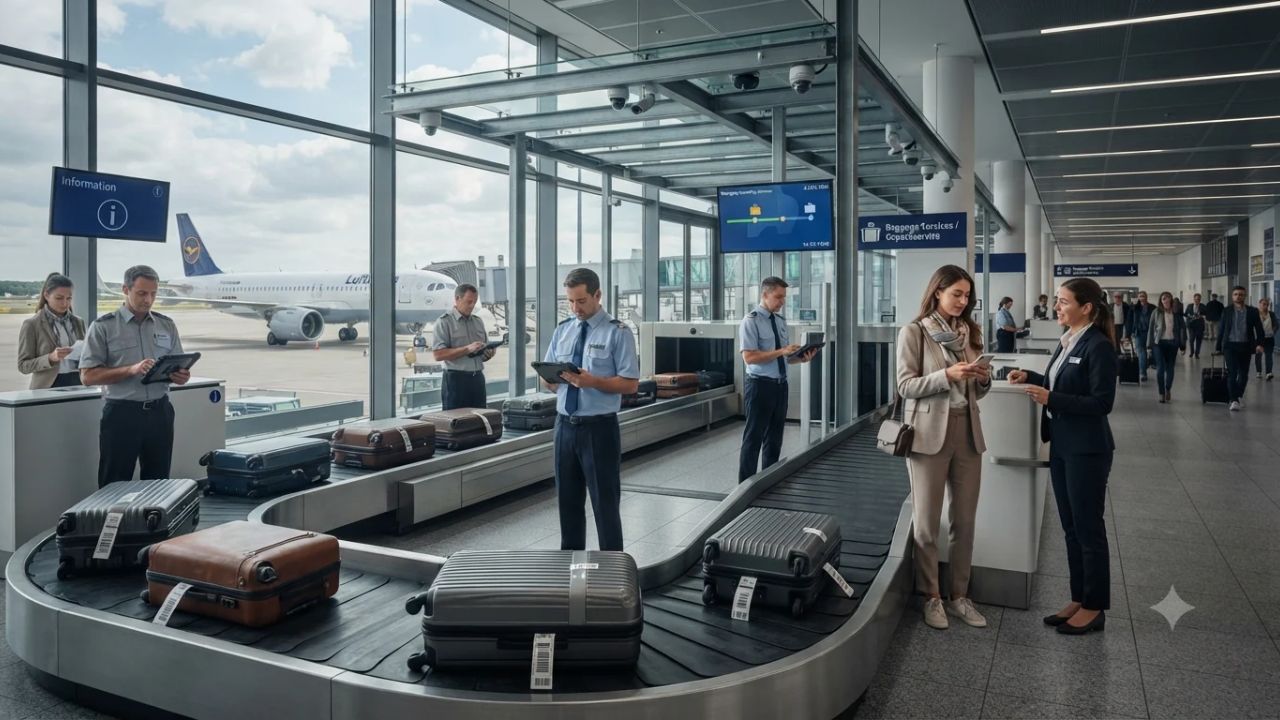
German hub airports in Munich and Frankfurt are pioneering advanced camera-based turnaround tracking systems to make the hidden journey of checked luggage visible to ground operations, setting an operational benchmark as the European Union prepares to enact comprehensive new air passenger rights regulations in October 2027. Under the incoming EU legal mandate, commercial airports must provide standardized physical baggage complaint forms in all delivery areas alongside digital airline channels, establishing immediate legal filing dates to safeguard passenger claims under the Montreal Convention. As enhanced passenger rerouting rules grant travelers the right to rebook across rival airlines or rail networks after three-hour delays, the aviation industry faces an urgent operational challenge: preventing rapid passenger rerouting from stranding unaccompanied baggage across complex cross-border hub networks.
The modernization of baggage handling across Germany arrives at a pivotal moment for European aviation. For decades, passenger air travel has operated with an asymmetry of information: while travelers can track aircraft positions across continents via flight-tracking platforms, their checked suitcases travel through opaque subterranean conveyor tunnels, screening bunkers, and apron loading zones with minimal operational visibility. By testing optical camera monitoring and automated turnaround analytics at Munich’s Terminal 2 and Frankfurt Airport, German aviation operators are moving from reactive bag tracing to proactive turnaround management. Simultaneously, sweeping European regulatory reforms adopted for October 2027 will hold airlines and airport operators jointly accountable for disruption care, mandatory physical claim access, and passenger repatriation.
========================================================================================
GERMAN AIRPORT BAGGAGE MODERNIZATION & EU 2027 REGULATORY SCORECARD
========================================================================================
Initiative / Regulation           Technical Scope                   Field Implementation
----------------------------------------------------------------------------------------
Munich Airport (MUC) Terminal 2   Camera-based turnaround tracking  Real-time apron monitoring
Frankfurt Airport (FRA) Apron AI  Computer-vision turnaround trials Baggage, fuel & bridge tracking
Frankfurt Gate A16 Project        Disruption service center         Roaming tablet staff & kiosks
EU Passenger Rights Overhaul      Binding EU-wide airline mandate   Effective October 2027
Universal Baggage Claim Forms     Mandatory at reclaim halls & web  Instant legal filing timestamp
Montreal Convention Claim Window  7 Days (Damage) / 21 Days (Delay) Statutory compensation rules
Passenger Self-Rerouting Right    Triggered after 3-hour delay      Rebooking via rival air or rail
Airport Contingency Mandate       Hubs with >4M passengers / year   Inter-agency crisis coordination
Disruption Amenities Required     Free drinking water & charging    Mandatory terminal provision
Consumer Tracker Integration      Lufthansa, KLM, Finnair AirTags   Supplemental tracking tool
Spanish Baggage Vision Pilot      Aena, Iberia, Pixoanalytics trial Video analytics & tag scanning
Passenger App Independence Rule   Universal non-app access rights   Paper, web, and counter parity
========================================================================================
Source: German Airport Operating Reports & European Commission Directorate-General for Mobility (2026).
========================================================================================
The Hidden Odyssey of Checked Luggage: Deconstructing the Ground Handling Chain
For the average air traveler, baggage handling begins at the check-in desk or self-service bag drop and ends at the destination baggage reclaim carousel. Yet between those two visible touchpoints lies a complex industrial operation consisting of multiple mechanical handoffs, environmental screening checkpoints, and physical transit corridors:
- Automated Induction and Weighing: Once tagged with a barcoded label, the bag enters the baggage handling system (BHS), where automated optical scanners record dimensions and balance parameters.
- Standard 3 Explosive Detection Systems (EDS): Bags are routed through high-speed computed tomography (CT) X-ray scanners to detect contraband or explosives without requiring manual intervention.
- High-Speed Tilt-Tray and Cross-Belt Sorting: High-velocity sorting conveyors divert suitcases across labyrinthine mechanical spurs to designated flight make-up carousels.
- Tug and Cart Apron Transport: Ramp teams manually load suitcases into Unit Load Devices (ULD containers) or onto open apron baggage carts, transporting them across the airfield to the aircraft stand.
- Ramp Hold Loading: Ground handlers lift and stack bags into the narrow lower cargo holds of narrowbody aircraft, or winch multi-ton ULD containers into widebody cargo bays.
========================================================================================
THE BAGGAGE HANDLING JOURNEY & PRIMARY VULNERABILITY POINTS
========================================================================================
Operational Stage                 Mechanical Process                Primary Vulnerability
----------------------------------------------------------------------------------------
1. Bag Drop & Induction           Barcoded tag printing & weighing  Damaged tag or folded barcode
2. Security Screening             Standard 3 EDS CT scanning        False positive manual hold delay
3. High-Speed Sortation           Tilt-tray diverters & conveyors   Mechanical belt jam / misread
4. Flight Make-Up                 ULD container or cart pack-out    Late delivery / short baggage crew
5. Apron Transportation           Tug transport across taxiways     Severe weather / airfield congestion
6. Hold Stowage                   Manual stack or container winch   Aircraft weight & balance offload
7. Inter-Flight Transfer          Ramp-to-ramp transit between hubs Tight Minimum Connecting Times (MCT)
8. Arrival Carousel Induction     Offloading to terminal reclaim    Delayed ramp transport to arrival hall
========================================================================================
A breakdown at any one of these handoffs can cause a suitcase to miss its flight. In major European transfer hubs like Frankfurt and Munich, where connecting passengers represent up to 60 percent of total passenger traffic, the most common point of baggage failure is the tight connection window. When an incoming flight lands twenty minutes behind schedule, passengers may sprint across terminals to make their connecting gate, but transferring their luggage through subterranean sorters and across airfields in under 45 minutes often proves impossible.
German Hub Innovation: Munich and Frankfurt Deploy Computer Vision to the Ramp
To eliminate blind spots on the airfield, Germany’s primary hub airports are testing advanced optical technology that brings real-time visibility to ground handling operations.
Munich Airport: Real-Time Turnaround Monitoring at Terminal 2
At Munich Airport (MUC), which serves as the primary southern hub for Lufthansa and the Star Alliance, airport authorities have deployed an automated camera-based tracking system across Terminal 2. Stationed on the terminal apron, high-resolution cameras observe aircraft parking stands throughout the turnaround cycle.
Rather than relying solely on manual barcode scans—which only register when a handler waves a scanner over a tag—the computer vision system automatically detects and logs key operational milestones:
- The exact minute the baggage conveyor belt is positioned against the aircraft cargo door.
- The start and completion of baggage unloading from inbound flights.
- The arrival of outbound baggage carts and the duration of hold-loading operations.
By feeding this live timeline into central airport dispatch software, operations teams gain advance notice of loading delays. If an outbound flight's baggage loading is falling behind schedule ten minutes before departure, dispatchers can immediately send additional ramp personnel to assist, preventing missed baggage departures and keeping flights on schedule.
Frankfurt Airport: AI-Driven Apron Computer Vision and Gate A16
At Frankfurt Airport (FRA), operator Fraport is testing a comprehensive computer vision system that monitors the complete aircraft turnaround. In addition to tracking baggage loading, the system analyzes refueling tanker connections, mobile ground power hookups, catering truck servicing, and passenger jet bridge docking.
========================================================================================
MUNICH & FRANKFURT AIRPORT GROUND MONITORING ARCHITECTURE
========================================================================================
Airport Hub               Technology Platform               Primary Operational Objective
----------------------------------------------------------------------------------------
Munich Airport (MUC)      Optical apron camera monitoring   Tracks loading times to prevent delays
Terminal 2                Integrated with Lufthansa Ops     Alerts dispatchers to lagging turnaround
Frankfurt Airport (FRA)   AI-based computer vision trials   Holistic turnaround event detection
Airfield Operations       Monitors fuel, bags, and bridges  Predictive departure delay mitigation
Frankfurt Gate A16 Hub    Digital and human service center  Roaming tablet staff for stranded guests
All German Hubs           Central BHS telemetry integration Proactive baggage recovery routing
========================================================================================
Complementing this apron technology, Frankfurt Airport launched the Gate A16 Disruption Center in its main Schengen departure pier. When severe thunderstorms, airspace closures, or technical faults cause widespread flight cancellations, stranded passengers often struggle to access assistance. At Gate A16, travelers have access to self-service rebooking kiosks and a dedicated team of roaming customer service agents equipped with mobile tablets. These staff members can rebook connecting flights, issue digital meal vouchers, print hotel accommodation passes, and verify the physical location of checked bags directly on their handheld screens.
This combination of automated apron computer vision and proactive terminal assistance shifts baggage recovery from an uncoordinated crisis into a structured, responsive process.
The October 2027 EU Regulatory Overhaul: Rebalancing Air Passenger Rights
While German airports are advancing technological solutions, the European Union is establishing a comprehensive legal framework to protect air passengers. Adopted to take full effect in October 2027, the revised EU air passenger rights regulations introduce strict, binding standards designed to end the frustration travelers experience when luggage is delayed, lost, or damaged.
========================================================================================
EU AIR PASSENGER RIGHTS 2027 REGULATORY REFORMS
========================================================================================
Regulatory Requirement           Legal Obligation Under 2027 Rules Enforcement & Impact
----------------------------------------------------------------------------------------
Universal Claim Form Access      Mandatory physical forms in reclaim Airport operators & airlines
                                 areas + digital forms on apps     must provide accessible forms
Instant Legal Timestamp          Filing date counts as official    Stops airlines from dismissing
                                 submission date under Montreal    claims based on missed deadlines
Non-App Accessibility Mandate    Passengers without airline apps   Guarantees paper, counter & email
                                 receive equal legal protection    channels for all travelers
3-Hour Self-Rerouting Right      Passengers may rebook on rival    Airlines must reimburse reasonable
                                 airlines or rail after 3h delay   alternative transport costs
Airport Contingency Mandate      Hubs handling >4M annual guests   Airports, airlines & handlers must
                                 must coordinate crisis plans      submit shared emergency plans
Disruption Passenger Care        Mandatory provision of free       Protects stranded travelers
                                 drinking water & device charging  during extended ground delays
Montreal Convention Windows      7 days (damage) / 21 days (delay) Universal statutory deadlines
========================================================================================
Source: Official Journal of the European Union / Regulatory Aviation Directives (2026).
========================================================================================
Mandatory Universal Claim Forms in Baggage Reclaim Halls
One of the most consequential changes in the 2027 directive targets the initial reporting process. Currently, passengers arriving at an empty carousel often find customer service desks unstaffed, forced to navigate confusing airline websites or download proprietary mobile applications to file a Property Irregularity Report (PIR).
Under the 2027 rules:
- On-Site Physical Access: Every commercial airport across the European Union must provide standardized physical baggage complaint forms directly in the baggage reclaim hall.
- Digital Parity: Airlines must simultaneously offer identical, easily navigable digital complaint forms through their websites and mobile portals without requiring passengers to create airline accounts.
- Official Filing Protection: The date and time a traveler submits this standardized form—whether on paper at the airport or online—legally counts as the official filing date. This shields passengers from having claims denied when airlines take days to process paperwork or issue formal case numbers.
Preserving Montreal Convention Rights
Under the 1999 Montreal Convention, which governs international air carrier liability, strict deadlines apply to baggage claims:
- Damaged Checked Baggage: Must be reported in writing within seven days of receipt.
- Delayed Checked Baggage: Must be reported within 21 days of the date the bag was placed at the passenger’s disposal.
Many travelers miss these deadlines because they do not know the rules, or spend days trying to find the correct airline contact portal. The 2027 EU regulation guarantees that travelers can establish an irrefutable legal filing date the moment they notice their bag is missing from the carousel.
The Non-App Accessibility Mandate
The European Union has codified the principle of digital inclusion. While major carriers encourage travelers to download mobile applications, the regulation explicitly states that passengers cannot be forced to install software, maintain a smartphone, or register a loyalty account to exercise their statutory passenger rights. Airlines and airport operators must maintain accessible paper forms, physical service desks, and direct email channels for elderly travelers, passengers with disabilities, or those without mobile data roaming.
The "Separated Baggage Dilemma": When Faster Passenger Rerouting Leaves Luggage Behind
While the upcoming EU regulations give travelers powerful new protections, they introduce an intricate operational complication: the separated baggage dilemma.
Under the 2027 rules, if an airline cancels a flight or anticipates a delay exceeding three hours, and cannot offer comparable rerouting on its own network within three hours of the original departure, the traveler is legally empowered to arrange alternative transportation. The passenger can purchase a ticket on a competing airline, book a high-speed ICE or TGV train, or take an intercity coach, and the original carrier is legally obligated to reimburse all reasonable costs.
========================================================================================
THE SEPARATED BAGGAGE DILEMMA: PASSENGER ACCELERATION VS. LUGGAGE TRANSIT
========================================================================================
Scenario Stage            Passenger Movement                Checked Baggage Reality
----------------------------------------------------------------------------------------
T + 0 Hours               Original flight canceled at hub   Suitcase in container inside BHS
T + 1 Hour                Airline fails to provide reroute  Bag sits in terminal make-up area
T + 2 Hours               Passenger exercises EU right;     Ramp handlers lack authorization
                          books high-speed train / rival airto extract single bag from ULD
T + 3.5 Hours             Passenger departs on train / flightSuitcase remains in original hub
T + 6 Hours               Passenger arrives at destination  Bag entered into WorldTracer system
T + 24 to 72 Hours        Passenger awaits suitcase deliveryBaggage routed on next available flight,
                                                            clears customs, dispatched via courier
========================================================================================
While this provision rescues travelers from being stranded at airport gates, luggage cannot move as quickly as passengers:
- Trapped in High-Speed BHS Sorters: When a passenger is rebooked onto a competing flight departing from another terminal or switches to an intercity train, their checked suitcase is already buried inside a multi-ton ULD container or traveling through automated conveyor vaults. Extracting a single bag from an aircraft cargo hold or a packed container can delay an entire flight, so ground handlers are often unable to retrieve it immediately.
- Cross-Border Customs Barriers: When an unaccompanied suitcase is rerouted onto a subsequent flight or dispatched by road across national borders, it must undergo customs screening without the owner present. This can trigger border holds, international air waybill requirements, and security inspections that delay delivery by several days.
As a result, European aviation must build an integrated cross-border baggage recovery chain. Enabling passengers to continue their journeys is only half the battle; airlines and airports must have systems in place to track, reroute, and deliver unaccompanied luggage to the passenger's final destination.
Consumer Tech vs. Legal Liability: The Real Role of Bluetooth Trackers
In response to past baggage disruptions, millions of travelers have placed Bluetooth tracking devices—such as Apple AirTags, Samsung Galaxy SmartTags, and Tile units—inside their checked luggage. Recognizing this trend, carriers including Lufthansa, KLM, and Finnair have updated their digital services to allow passengers to share a temporary "Find My" link directly with airline baggage recovery teams.
While Bluetooth trackers provide passengers with peace of mind, they have clear operational and legal limits:
========================================================================================
BLUETOOTH TRACKERS (AIRTAGS) VS. STATUTORY BAGGAGE CLAIMS (PIR)
========================================================================================
Functional Dimension      Bluetooth Tracker (AirTag / SmartTag) Official Claim (PIR / EU Form)
----------------------------------------------------------------------------------------
Location Detection        Crowdsourced Bluetooth proximity  Recorded by airline WorldTracer
Legal Claim Validity      Zero statutory standing under law Official legal filing under Montreal
Customs Clearance Power   Cannot clear international customsAuthorizes bonded customs clearance
Delivery Dispatch Power   Cannot dispatch courier delivery  Triggers airline-funded home delivery
Aviation Sorter Reading   Invisible to automated BHS sortersScanned by 10-digit IATA barcode
Compensation Trigger      Does not initiate expense payouts Activates interim expense reimbursements
Practical Purpose         Helpful investigative aid for ops Essential legal instrument for traveler
========================================================================================
An AirTag can show a passenger that their bag is sitting on the tarmac at Frankfurt Airport or in a transfer shed in Munich, but it cannot:
- Authorize ground handling staff to enter restricted airside zones to retrieve a specific bag.
- Satisfy international customs requirements for unaccompanied luggage.
- Establish an official legal record that the bag was mishandled.
- Obligate the airline to pay compensation for essential toiletries or clothing.
Travelers must understand that sharing an AirTag tracking link is an optional investigative aid, not a substitute for filing an official Property Irregularity Report (PIR) or completing the upcoming EU standardized claim form. The official report creates the legally binding case that holds the airline financially accountable.
International Precedents: Spain’s Video Analytics and Major European Hub Investments
Germany’s baggage tracking initiatives are part of a broader technology push taking place across European aviation hubs:
========================================================================================
EUROPEAN AIRPORT BAGGAGE MODERNIZATION PROJECTS
========================================================================================
Airport / Operator        Country        Innovation Focus                 Operational Status
----------------------------------------------------------------------------------------
Munich Airport (MUC)      Germany        Camera-based turnaround tracking Operational at Terminal 2
Frankfurt Airport (FRA)   Germany        AI apron vision & Gate A16       Advanced testing / active
Aena / Iberia / Pixo      Spain          Luggage video analytics & tags   Pilot trial (Nov 2026)
Amsterdam Schiphol (AMS)  Netherlands    Passenger milestone tracking app Fully deployed to travelers
London Heathrow (LHR)     United Kingdom Terminal 2 BHS system overhaul   Multi-year capital upgrade
========================================================================================
Spain: Optical Video Analytics and Tag Identification
In Spain, airport operator Aena joined forces with national carrier Iberia and technology specialist Pixoanalytics to run a pilot project testing automated luggage identification. By combining optical video analytics with automated tag reading along the baggage conveyor network, the system tracks luggage through the sorting facility, verifying that each bag reaches its designated flight makeup area even if a barcode label becomes torn, soiled, or obscured.
Amsterdam Schiphol: Transparent Milestone Tracking
At Amsterdam Airport Schiphol, airport authorities provide passengers with end-to-end baggage tracking through the Schiphol mobile app. Travelers can follow their bags through key operational milestones: confirming when luggage has been loaded into the aircraft hold, when it is transferred between connecting flights, and when it is placed onto the arrival reclaim belt. This transparency reduces passenger stress and eases crowding around baggage carousels.
London Heathrow: Major Infrastructure Overhauls
At London Heathrow (LHR), significant capital investment has been directed into overhauling the baggage handling system at Terminal 2. By replacing aging conveyors with high-speed, computer-controlled sorting trays, the airport aims to significantly reduce mishandled bag rates across one of Europe’s busiest international hubs.
Yet across Europe, the core challenge remains institutional fragmentation. Airport authorities manage physical buildings and sorting belts, ground handlers load and unload aircraft, airlines handle customer service and compensation, and customs officers enforce border security. Overcoming this fragmentation requires unified data sharing and shared accountability across the entire transit chain.
Airport Contingency Planning: Sharing the Burden of Systemic Disruption
Historically, airlines have borne sole regulatory responsibility for passenger care during travel disruptions. However, during major crises—such as severe snowstorms, air traffic control computer outages, or geopolitical airspace closures—thousands of passengers can find themselves stranded inside airport terminals simultaneously, overwhelming individual airline desks.
The upcoming EU regulations address this reality by establishing mandatory contingency coordination:
- Mandatory Hub Threshold: Any commercial airport within the European Union that has handled more than four million passengers annually for at least three consecutive years must develop, maintain, and test comprehensive contingency plans.
- Inter-Agency Governance: Airport operators must coordinate these emergency plans with home-based airlines, foreign carriers, independent ground handlers, air traffic control authorities, police, and customs agencies.
- Passenger Welfare Standards: Airports are legally required to provide stranded passengers with essential amenities during major disruptions, including freely accessible potable water stations, mobile device charging points, and dedicated support areas for families, unaccompanied minors, and passengers with reduced mobility.
By mandating that airports share operational responsibility during crises, the European Union ensures that passenger care does not collapse when individual airline systems are strained.
Practical Guidance for Travelers and Corporate Travel Managers
As European aviation modernizes its baggage handling systems ahead of the October 2027 regulations, travelers and corporate travel coordinators can take practical steps to safeguard their journeys:
========================================================================================
CHECKED BAGGAGE PROTECTION PROTOCOL FOR INTERNATIONAL TRAVELERS
========================================================================================
Phase                     Action Item                       Practical Rationale
----------------------------------------------------------------------------------------
Pre-Departure Preparation Take photos of bag exterior & tag Documents make, model & condition
                          Place contact card inside suitcaseProtects if external tag is torn off
                          Pack essential medications in carry-onAvoids health risks if luggage is delayed
Bag Drop Verification     Keep physical or digital claim stubEssential proof of check-in with BHS
Disruption Response       Never leave reclaim without a PIR Filing at the airport starts the legal clock
                          Request physical EU standardized  Secures an irrefutable legal timestamp
                          claim form if desks are unstaffed
Interim Expense Tracking  Retain all itemized receipts for   Reimbursable under Montreal Convention
                          toiletries and essential clothes  (up to roughly €1,600 liability limit)
Statutory Deadlines       File damage claims within 7 days  Strict legal forfeiture of rights if missed
                          File delayed claims within 21 daysCounts from date bag is returned
========================================================================================
- Retain All Documentation: Always keep physical baggage claim tags or digital receipts until your bag is safely retrieved. These receipts contain the unique 10-digit IATA barcode number required to trace the suitcase in the global WorldTracer network.
- File Immediately at the Airport: If your bag does not appear on the carousel, do not leave the baggage hall without completing a Property Irregularity Report (PIR) or obtaining a date-stamped copy of the upcoming standardized claim form.
- Preserve Expense Receipts: Under the Montreal Convention, airlines are liable for up to approximately 1,288 Special Drawing Rights (SDRs)—roughly 1,600 euros—for reasonable interim expenses (toiletries, underwear, basic clothing) incurred while waiting for delayed luggage. Always retain itemized receipts for every purchase.
- Corporate Travel Oversight: Corporate travel management companies should ensure travelers know which airline or ground handling entity is responsible for baggage recovery on code-share or multi-carrier itineraries before departure.
Comprehensive Frequently Asked Questions
What new baggage technologies are Munich and Frankfurt airports using?
Munich Airport’s Terminal 2 utilizes a camera-based system that monitors ramp activities and baggage loading in real time, alerting operations teams to loading delays. Frankfurt Airport is testing AI-driven computer vision covering the entire aircraft turnaround—including baggage, refueling, and jet bridges—while operating a dedicated passenger service hub at Gate A16.
When do the new European Union air passenger rights regulations take effect?
The revised EU air passenger rights regulations will enter into full legal force across all member states in October 2027.
What is the new EU requirement for baggage claim forms at airports?
Starting in October 2027, all commercial EU airports must provide standardized physical baggage claim forms in delivery areas, and airlines must offer identical forms on websites and digital portals. The date and time the form is submitted legally counts as the official filing date.
What are the legal deadlines for reporting damaged or delayed baggage?
Under the Montreal Convention, passengers must report damaged checked baggage in writing within seven days of receipt. Delayed baggage must be reported within 21 days from the date the bag is delivered back to the passenger.
Can an airline require passengers to use a smartphone app to report missing luggage?
No. The new EU regulations prohibit airlines from making mobile apps mandatory. Carriers and airports must provide accessible paper forms, website portals, and staffed service counters for travelers who do not have smartphones or data roaming.
What is the new 3-hour rerouting rule under the 2027 EU regulations?
If an airline cancels a flight or expects a major delay and cannot offer comparable rerouting within three hours of original departure, travelers have the legal right to book alternative travel on competing airlines, trains, or buses, and the original carrier must reimburse reasonable costs.
Why does faster passenger rerouting create baggage challenges?
When a passenger quickly rebooks onto another airline or an intercity train, their checked suitcase often remains trapped inside automated sorting systems or aircraft cargo holds at the original hub. Ground teams cannot easily retrieve single bags without causing wider delays, resulting in luggage arriving days after the passenger.
Does an Apple AirTag or Bluetooth tracker replace an official baggage claim?
No. While an AirTag can show a bag's general physical location, it has no legal standing under the Montreal Convention. It cannot clear customs or authorize delivery. Passengers must always file an official Property Irregularity Report (PIR) to secure compensation and tracking.
Which European airlines allow passengers to share AirTag location links?
Lufthansa Group airlines, KLM, and Finnair permit customers to share live Find My or AirTag location links with baggage customer service teams to help locate mishandled luggage.
What contingency obligations do large European airports have during major flight disruptions?
Airports handling more than four million passengers annually for three consecutive years must coordinate crisis contingency plans with airlines and ground handlers. They are also required to provide stranded passengers with free drinking water, mobile device charging points, and support areas.
Strategic Takeaways: The Evolution of European Baggage Governance
The advancements taking place across German airports and European regulatory bodies signal a fundamental shift in how the aviation industry manages checked luggage:
========================================================================================
STRATEGIC LESSONS IN AIRPORT BAGGAGE MODERNIZATION
========================================================================================
Traditional Baggage Operations            The Modern European Baggage Model
----------------------------------------------------------------------------------------
Opaque, hidden ground handling processes. Real-time computer vision & turnaround tracking.
Airlines push passengers to mobile apps.  Mandatory digital & physical claim form parity.
Disputed claim dates & lost paperwork.    Instant legal timestamp protection at carousels.
Passengers stranded at airline desks.     Airports mandate water, charging & shared care.
Luggage lost during self-rerouting.       Integrated cross-border tracing & delivery chains.
Trackers used as unverified gadgets.      Bluetooth data linked directly into airline tracing.
========================================================================================
First, German hubs are demonstrating that operational transparency benefits airports and passengers alike. By deploying camera-based systems and computer vision to monitor aircraft turnarounds, operations teams can identify and resolve loading delays before flights depart, reducing mishandled bag rates.
Second, the European Union’s 2027 regulatory mandate balances technological convenience with consumer rights. By requiring physical claim forms at carousels alongside digital tools, establishing immediate legal filing timestamps, and granting passengers flexible rerouting rights, the regulations provide clear legal protections for travelers facing travel disruptions.
Finally, resolving the challenge of checked baggage recovery requires cooperation across the entire aviation ecosystem. As airports, ground handling agencies, airlines, and customs authorities build unified data-sharing networks, Europe is establishing an integrated baggage recovery chain that ensures passengers and their luggage reach their destinations safely and reliably.
Related Travel Guides
- Germany Travel Industry Projects Major 2027 Expansion as Inbound Receipts Reach €26 Billion Driven by European and US Demand
- Chongqing Secures Ninth Place in China Inbound Tourism Spending as International Receipts Hit $2.48 Billion Amid 68% Visitor Surge
- Quark Expeditions Completes Historic Snow Hill Helicopter Landing as 137 Guests Witness Over 4,000 Emperor Penguin Pairs in Antarctica
- Tunisia Tourism Receipts Reach $2.38 Billion as Over Nine Million Visitors Drive 2027 Parliamentary Budget Strategy
This article is for informational purposes. Flight routes, passenger regulations, visa rules, and transit advisories are subject to change by airlines and aviation authorities. Readers are advised to verify schedules and travel documentation with relevant carriers and border agencies before departure.
Related Stories
Lufthansa Expands Boeing 787-9 Business Class: 26 Dreamliners, Allegris Cabins, and Long-Haul Guide 2026
Lufthansa Group Mandates Travel ID for Online Check-In: Phased Rollout Guide Across Seven European Airlines