
EU Allocates €1.3 Million to Expand Inclusive Nature Tourism in Cabo Verde's Fogo and Maio Islands
The European Union is investing €1.3 million to pivot Cabo Verde's tourism model toward sustainable, community-led nature experiences across Fogo, Maio, Santo Antão, and São Nicolau.

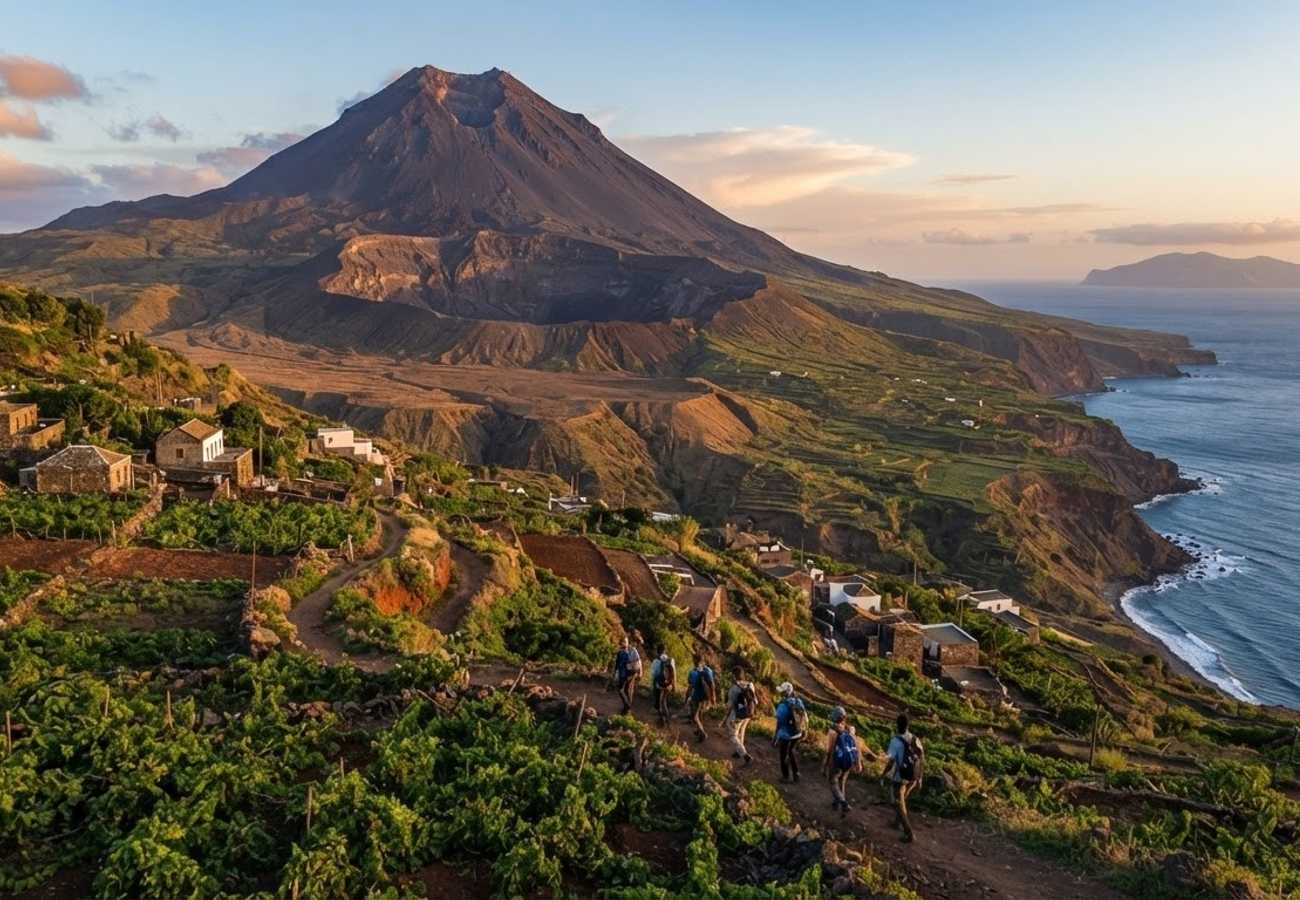
Image generated by AI
The European Union is deploying €1.3 million to shift Cabo Verde’s tourism economy away from traditional beach resorts and toward inclusive, community-managed nature tourism.
This strategic investment targets the islands of Fogo, Maio, Santo Antão, and São Nicolau. The funding is specifically earmarked for civil society projects that protect biodiversity while creating direct economic pipelines for women, youth, and rural fishing communities.
The EU's 2026 call for proposals, initiated in January, requires civil society organizations to develop programs focusing on the co-management of coastal and marine protected areas. These projects must integrate biodiversity conservation with income generation to ensure that environmental protection provides tangible financial returns for local residents.
Funding Structure and Project Scope
The financial framework for this initiative is designed to support mid-term development cycles. Individual grants are structured as follows:
- Total Fund Allocation: €1.3 million
- Individual Grant Range: €310,000 to €325,000
- Project Duration: 24 to 36 months
Beyond direct funding, the initiative emphasizes the digitalization of nature tourism and the implementation of quality control processes. This allows local operators to package protected landscapes into structured, marketable tourism products.
Regional Implementation Strategies
The EU is applying different strategic lenses to the various islands based on their unique ecological profiles.
Fogo: Volcanic and Community Integration Fogo, a UNESCO Biosphere Reserve and the archipelago's only volcanically active island, is a primary hub for this shift. The "Destino Fogo" project (€950,000; 2023–2026) focuses on diversifying ecotourism around the island's 2,829-metre peak. The goal is to move beyond sightseeing and integrate agricultural heritage and rural community stays into the visitor experience.
Maio: Marine Ecosystems and Blue Economy Maio’s UNESCO Biosphere Reserve encompasses the entire island and its surrounding waters. Tourism here is being pivoted toward the "blue economy," focusing on the protection of cetaceans, turtles, and seabirds. This follows a previous €3 million contribution to the Maio 2025 territorial development programme, which targeted youth entrepreneurship and environmental conservation.
Santo Antão and São Nicolau: Rural Ecotourism The ECORAIZES project (€900,000; 2023–2027) is the primary vehicle for these islands. The focus is on hiking infrastructure and rural travel, leveraging mountain valleys and traditional settlements to attract lower-impact travelers who avoid conventional resorts.
Investment and Project Summary
| Project/Initiative | Funding Amount | Period | Primary Focus |
|---|---|---|---|
| New EU Civil Society Call | €1.3 Million | 24-36 Months | Inclusive Nature Tourism & Co-management |
| Destino Fogo | €950,000 | 2023–2026 | Volcanic Landscapes & Social Inclusion |
| ECORAIZES | €900,000 | 2023–2027 | Rural Ecotourism (Santo Antão & São Nicolau) |
| Maio 2025 Programme | €3 Million | Until 2025 | Territorial Development & Youth Entrepreneurship |
Why This Matters: Industry Analysis
From a logistical perspective, this represents a calculated move to decentralize Cabo Verde's tourism revenue. Historically, the archipelago has relied heavily on "sun and sea" models concentrated in specific hubs. By funding the co-management of protected areas, the EU is effectively creating a "conservation-to-commerce" pipeline.
For travelers and operators, the real impact is the professionalization of the "off-the-beaten-path" experience. The inclusion of digitalization and quality process funding means that community-run tours—which were previously fragmented or difficult to book—will soon be integrated into structured itineraries. This reduces the risk for high-value ecotourists and increases the average spend per visitor in rural zones.
Our analysis suggests this is a blueprint for "Inclusive Nature Tourism," where the local community is not just a service provider but a co-manager of the natural asset. This shifts the power dynamic from foreign resort ownership to local stewardship.
Forward Outlook
Expect a surge in niche travel offerings in Cabo Verde over the next 36 months, specifically in the realms of volcanic trekking on Fogo and marine conservation tours on Maio. As the 2026 grants are deployed, the industry will likely see a rise in certified local guides and a transition toward "slow travel" itineraries that link the four target islands. The success of these projects will likely determine if the EU expands similar "blue economy" funding to other Atlantic island nations.
Cabo Verde is transitioning from a beach destination to a biodiversity powerhouse.
Related Travel Guides
Disclaimer
This article is for informational and educational purposes only. It does not constitute legal, financial, or professional advice. While we strive to provide accurate and up-to-date information, travel policies, regulations, and conditions change rapidly. Always verify information with official sources before making travel decisions. Nomad Lawyer makes no representations about the accuracy, reliability, completeness, or suitability of the information provided. Readers should consult qualified professionals for advice specific to their circumstances. The views expressed in this article are those of the author and do not necessarily reflect the views of Nomad Lawyer.
Raushan Kumar
Founder & Lead Developer
Full-stack developer with 11+ years of experience and a passionate traveller. Raushan built Nomad Lawyer from the ground up with a vision to create the best travel and law experience on the web.
Learn more about our team →