
Eswatini Tourism Surges 8% Past 562,000 Visitors as Zambia Flights and Mozambique Borders Propel 2027 Goals

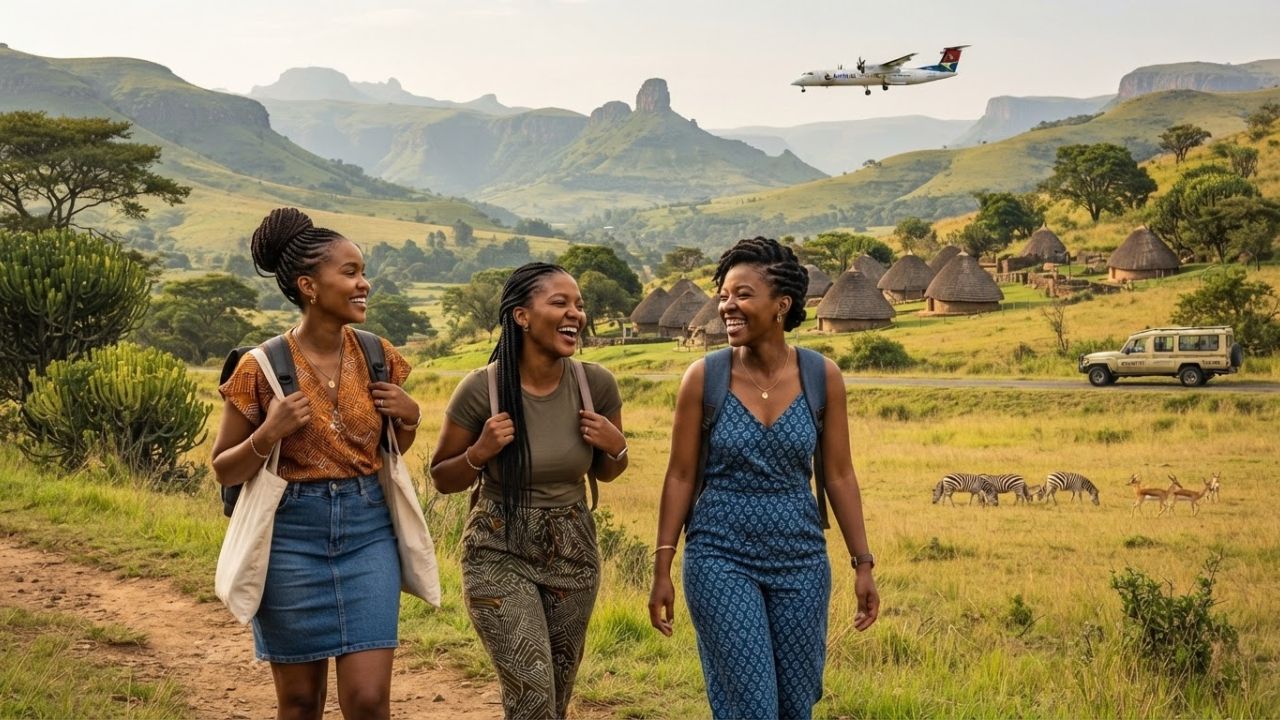
The Kingdom of Eswatini has recorded an 8 percent increase in annual visitor arrivals, surpassing 562,000 travelers in a single year as regional connectivity from Zambia and Mozambique accelerates progress toward its 2027 target of 2 million visitors and E2 billion in tourism revenue. Bolstered by new direct air route connections and streamlined border crossings, this cross-border influx is distributing vital economic activity directly across local hospitality, dining, transport, and artisanal craft sectors.
Data tracked across the Southern African region confirms that Eswatini's strategic pivot toward neighboring travel markets is yielding concrete economic dividends. Rather than relying exclusively on long-haul European or American itineraries, the Kingdom's tourism ecosystem is experiencing a high-velocity recovery anchored by short-haul leisure and business travelers. The expansion of regional aviation infrastructure—headlined by direct flights connecting Eswatini with Zambia—paired with high-volume road entry from Mozambique, has positioned the country as an agile, accessible cultural and wildlife destination.
As the Eswatini Tourism Authority (ETA) coordinates with the Ministry of Tourism and Environmental Affairs, the country is leveraging this 8 percent expansion to catalyze broader rural development, commercial investment, and community-based conservation initiatives across its scenic mountain valleys.
| Tourism Metric | Current Performance (2026 Telemetry) | Strategic Target for 2027 | Growth Driver & Regional Catalyst |
|---|---|---|---|
| Annual Visitor Arrivals | Over 562,000 visitors | 2,000,000 visitors | Direct Zambia flights, expedited border posts, and regional trade |
| Annual Growth Rate | +8% increase in arrival rate | Sustained double-digit acceleration | Enhanced regional aviation links and regional marketing |
| National Tourism Income | Robust hospitality and retail revenue | E2 billion (Emalangeni) | High-yield cross-border visitor spending and length-of-stay gains |
| Primary Regional Markets | Zambia & Mozambique | Expanded SADC corridor penetration | Direct air routes and favorable cross-border purchasing conditions |
The Local Trend Revealed: Regional Air Corridors and Cross-Border Commerce
The defining catalyst behind Eswatini’s historic tourism acceleration is the structural transformation of regional mobility.
Historically, visiting Eswatini from neighboring countries required complex flight itineraries routed through Johannesburg's OR Tambo International Airport or lengthy multi-hour road journeys. The introduction of direct scheduled flights linking Eswatini with Zambia has resolved this transit barrier, creating a swift gateway between Lusaka and King Mswati III International Airport (SHO). This air link enables Zambian business professionals, regional conference delegates, and leisure travelers to access the Kingdom in under two hours, unlocking an affluent market segment previously deterred by indirect connections.
Simultaneously, Mozambique has strengthened its role as one of the Kingdom’s most vital source markets. Travelers crossing through the Lomahasha and Namaacha border posts are drawn by favorable purchasing conditions, safe road networks, and distinct cultural attractions. Mozambican visitors generate direct economic support by patronizing hotels, restaurants, retail malls in Manzini and Mbabane, transport services, and cultural heritage sites.
This dual-market momentum is decentralizing tourism revenue across the entire supply chain. Increased arrivals translate into direct bookings for boutique lodges in the Ezulwini Valley, higher foot traffic for family-operated eateries, and steady retail earnings for local artisans specializing in soapstone carving, woodcrafts, and indigenous textiles.
Cultural & Environmental Value: Community Stewardship and Heritage Preservation
For the traveler, the true impact of Eswatini’s tourism expansion lies in how the sector directly reinforces rural livelihoods and regional environmental conservation without eroding traditional values.
Unlike mass-resort enclaves that isolate visitors from local populations, Eswatini’s tourism model is deeply intertwined with cultural preservation and community ownership:
- Artisan Empowerment Cooperatives: In the Malkerns Valley, social enterprises like Gone Rural collaborate with more than 750 rural women weavers across remote chiefdoms, transforming indigenous lutindzi grass into contemporary home décor. Tourism spending at these workshops provides sustained financial independence for female-headed households, funding healthcare and children's education.
- Circular Eco-Craftsmanship: At Ngwenya Glass, situated in the western highlands, local master blowers convert 100% recycled glass bottles gathered by community collectors into internationally acclaimed glassware, demonstrating how industrial upcycling supports clean conservation.
- Indigenous Wildlife Sanctuaries: The Kingdom's premier wildlife areas—including Mlilwane Wildlife Sanctuary, Hlane Royal National Park, and Mkhaya Game Reserve, managed under the Big Game Parks conservation charter—utilize entrance revenues to fund anti-poaching operations and wildlife reintroduction programs. These reserves hire rangers and hospitality staff directly from adjacent rural settlements, providing meaningful alternatives to unsustainable resource extraction.
- Living Cultural Heritage: At sites such as the Mantenga Cultural Village within the Mantenga Nature Reserve, visitors encounter an authentic living museum of traditional 19th-century polygamous family homesteads (umphakatsi), complete with beehive grass huts and high-energy sibhaca dance performances that preserve historical oral customs for younger Swati generations.
Visitor Insider Tips: Navigating the Kingdom of Eswatini
Experiencing the best of Eswatini requires practical insider knowledge of regional logistics, local etiquette, and off-the-beaten-path destinations:
Border Crossing and Transit Logistics
- Currency Parity: The official currency is the Lilangeni (plural: Emalangeni, symbol: E), which is pegged 1:1 with the South African Rand (ZAR). South African Rand banknotes are accepted everywhere across Eswatini at face value, though South African coins are generally not taken. When leaving the country, spend or exchange remaining Emalangeni banknotes, as they are not widely convertible outside Eswatini.
- Border Operations: The primary road entry from South Africa is the Ngwenya / Oshoek border post, which operates extended hours (typically open until 22:00 or 24/7 during peak festive seasons). Travelers driving from Maputo should utilize the Lomahasha / Namaacha border crossing, ensuring all vehicle cross-border permits and insurance certificates are printed in advance.
- Regional Flight Inbound: Flights arriving at King Mswati III International Airport (SHO) in Sikhuphe require pre-arranged ground transport or rental car bookings, as the airport is situated approximately 70 kilometers east of the capital, Mbabane.
Cultural Etiquette and Local Customs
- Respectful Greetings: Polite social engagement is paramount in Swati society. Always greet locals with a warm "Sawubona" (hello to one person) or "Sanibonani" (hello to a group). When handing money or documents to an elder or merchant, use your right hand supported by your left hand at the elbow or wrist—a customary gesture expressing respect and humility.
- Sacred Traditions and Royal Protocol: Eswatini takes immense pride in its living monarchy and sovereign heritage. Dress modestly (covering shoulders and knees) when visiting traditional chiefdoms, rural homesteads, or royal administration sites. Always ask permission before photographing individuals, and strictly observe photography restrictions during national ceremonies such as the annual Umhlanga (Reed Dance) in late August or early September and the sacred Incwala winter solstice festival.
Hidden Sanctuaries and Active Exploration
- Mlilwane Wildlife Sanctuary: Situated in the Ezulwini Valley, Mlilwane is free of dangerous large carnivores like lions or elephants, allowing travelers to explore on foot, rent mountain bikes, or embark on guided horseback trails amidst herds of zebra, blesbok, and blue wildebeest.
- Malolotja Highlands: In the rugged northwestern highlands, Malolotja Nature Reserve offers dramatic wilderness trails, ancient geological formations dating back over 3 billion years, deep gorges, and an exhilarating tree-top canopy zip-line tour overlooking the pristine Majolomba River.
Authentic Culinary Specialties
- Sishwala: A dense, comforting maize meal porridge often mixed with dried beans, served alongside slow-braised beef or savory tomato-onion relish.
- Inyama Yembuti: Traditional slow-cooked goat meat stew, seasoned simply with salt and wild herbs, served at local community celebrations and markets.
- Umbidvo Wetintsanga: Nutrient-rich young pumpkin leaves steamed and seasoned with crushed, roasted groundnuts.
- Incwancwa: A lightly fermented, tangy sour maize porridge favored for morning nourishment before mountain hikes.
Tourism Outlook: Paving the Road to 2 Million Visitors by 2027
Eswatini’s ongoing 8 percent expansion marks a critical inflection point for the Kingdom's economic evolution. Recording over 562,000 visitors establishes a resilient foundation as government ministries, private operators, and community stakeholders collaborate toward the ambitious national threshold of 2 million arrivals and E2 billion in tourism revenue by 2027.
Sustaining this momentum will depend on continued investment in regional air access, expedited digital e-visa processing, and the modernization of key highway arteries connecting industrial hubs with eco-tourism corridors. By capitalizing on strong regional demand from Zambia and Mozambique while maintaining its pristine natural settings and rich cultural integrity, the Kingdom of Eswatini is proving that targeted regional integration is the most powerful engine for sustainable tourism growth in Southern Africa.
Related Travel Guides
Disclaimer
This article is for informational and educational purposes only. It does not constitute legal, financial, or professional advice. While we strive to provide accurate and up-to-date information, travel policies, regulations, and conditions change rapidly. Always verify information with official sources before making travel decisions. Nomad Lawyer makes no representations about the accuracy, reliability, completeness, or suitability of the information provided. Readers should consult qualified professionals for advice specific to their circumstances. The views expressed in this article are those of the author and do not necessarily reflect the views of Nomad Lawyer.
Raushan Kumar
Founder & Lead Developer
Full-stack developer with 11+ years of experience and a passionate traveller. Raushan built Nomad Lawyer from the ground up with a vision to create the best travel and law experience on the web.
Learn more about our team →