
Egypt Cultural Tourism Expands as Cairo, Luxor, and Aswan Drive International Visitor Growth
Egypt's cultural tourism expands across Cairo, Luxor, and Aswan as travelers seek heritage sites, traditional cuisine, and authentic community experiences.

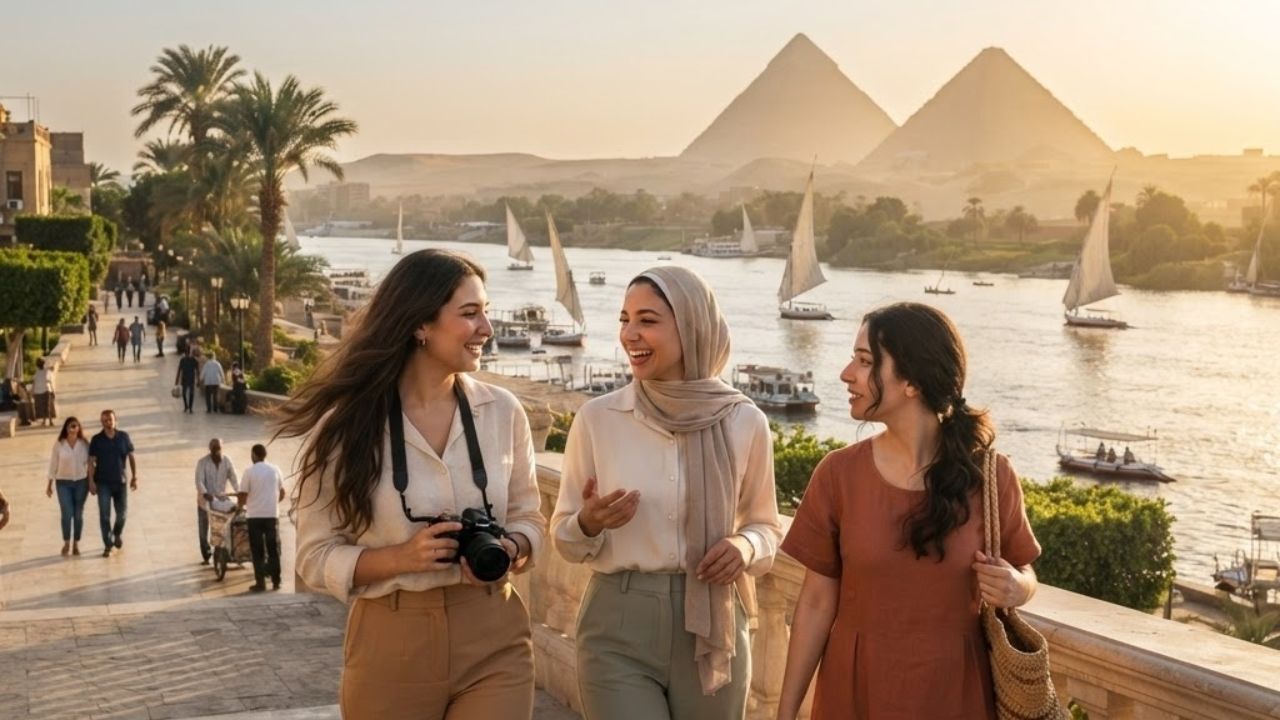
Image generated by AI
Egypt is experiencing a significant surge in cultural tourism, driven by international demand for historical heritage and authentic community experiences. Key destinations including Cairo, Luxor, and Aswan are leading the expansion, supported by regional food tours and Nile transit routes.
Driven by a growing demand for immersive historical itineraries, Egypt cultural tourism expands as international visitor arrivals reach new milestones across major regional hubs. The country's travel sector is moving beyond basic sightseeing, highlighting authentic culinary tours, Nile transit routes, and local artisan markets. By combining the ancient monuments of Giza and Luxor with the slower-paced Nubian communities of Aswan, state planners are helping distribute visitor spending to family-owned workshops and traditional farms, establishing a resilient hospitality framework that supports communities along the Nile River.
Historic Capital: Combining Ancient Districts with Modern Street Life in Cairo
Cairo represents the administrative and cultural heart of modern Egypt, where ancient monuments stand alongside contemporary urban developments. Travelers explore historic Islamic districts, old mosques, and traditional markets (souks) where family-owned spice, textile, and craft shops have operated for generations.
The city offers access to world-class museums, including the Grand Egyptian Museum and the Museum of Egyptian Antiquities. In addition to visiting historical collections, travelers gather in local coffeehouses and street restaurants, experiencing the daily hospitality that defines local life. This urban vitality makes the capital city a primary starting point for international visitors.
Archaeological Wonders: Connecting Visitors with Ancient Monuments in Giza
Located on the outskirts of the capital, the Giza plateau remains the primary destination for travelers seeking pre-colonial history. The Great Pyramid complex, including the monumental Great Sphinx, serves as a global benchmark for ancient engineering and architectural design.
Ecotourism and desert excursions in the area allow visitors to explore the surrounding sand dunes via traditional camel routes. Beyond their status as photo destinations, the Giza monuments represent a key component of the nation's cultural identity. Local tourism boards have integrated visitor services around the complex, making the archaeological site more accessible while funding critical preservation work.
Open-Air Museums: Showcasing Religious and Architectural Heritage in Luxor
Luxor operates as a massive open-air museum, holding one of the world's highest concentrations of ancient monuments. Situated along the banks of the Nile, the city preserves key temples and royal tomb complexes that date back to the height of the New Kingdom.
Travelers visit:
- Karnak Temple: An ancient complex featuring massive columns and religious chambers.
- Luxor Temple: Located in the city center, illuminated for night visits.
- Valley of the Kings: The royal burial ground containing the tombs of ancient pharaohs.
- West Bank Monuments: Including the Temple of Hatshepsut and the Colossi of Memnon.
Luxor provides a direct link to the historical events and architectural styles that defined early Egyptian civilization, attracting history enthusiasts and research tours year-round.
River Lifestyles: Reflecting Nile Traditions and Nubian Communities in Aswan
Aswan offers travelers a slower-paced cultural alternative, where local life is centered around the flow of the Nile River and traditional southern communities. The city is famous for its scenic river views, granite rock formations, and sailboat (felucca) excursions.
A major draw for visitors is the chance to interact with local Nubian communities on Elephantine Island and in nearby villages. These communities maintain their own language, colorful architecture, and traditional crafts. Visitors can tour these villages, purchase handwoven baskets, and learn about the historic preservation of Nubian culture in southern Egypt.
Coastal Influence: Blending Mediterranean Character with Egyptian Culture in Alexandria
Alexandria presents a distinct coastal atmosphere, showing strong Mediterranean heritage alongside traditional Egyptian culture. Founded in antiquity, the city historically served as a global center of commerce, science, and academic research.
Travelers explore the coastal Corniche, the modern Bibliotheca Alexandrina, and historic military fortifications like the Citadel of Qaitbay. The city's culinary options highlight fresh seafood, reflecting its maritime trade history. Alexandria's blend of European, Arab, and Greco-Roman influences offers visitors a different perspective on Egypt's regional diversity.
Culinary Heritage: Exploring Middle Eastern and Mediterranean Flavors
Food serves as a key expression of Egyptian community identity, where family gatherings and public holidays are centered around traditional meals. Egyptian cuisine combines ancient agricultural ingredients with Middle Eastern spices and Mediterranean preparation methods.
Key dishes include:
- Koshari: A vegetarian dish combining rice, macaroni, lentils, and chickpeas, topped with garlic vinegar and a spicy tomato sauce.
- Ful medames: Smashed fava beans slow-cooked with garlic, olive oil, and lemon juice, serving as a staple breakfast.
- Taameya: An Egyptian falafel prepared from crushed fava beans and fresh herbs, deep-fried to a green, crispy texture.
- Molokhia: A thick green stew made from minced jute leaves, slow-cooked in chicken broth and seasoned with fried coriander and garlic.
Dining at local markets and family-run restaurants allows visitors to experience the traditional hospitality that is central to local culture.
Desert Traditions: Discovering Ecotourism in Siwa Oasis and the Sinai Peninsula
Beyond the Nile corridor, Egypt's desert regions offer travelers unique landscapes and traditional communities. The remote Siwa Oasis in the Western Desert preserves old agricultural customs, olive orchards, and historic mud-brick fortresses (Shali).
Similarly, the Sinai Peninsula offers travel opportunities that combine beach relaxation with nomadic Bedouin culture. In resort hubs like Sharm El Sheikh and Hurghada, visitors can access diving excursions and coral reefs on the Red Sea coast, while inland desert tours offer stargazing and traditional Bedouin meals. These desert and coastal environments demonstrate the geographical and cultural diversity of the modern state.
Why This Matters (Information Gain & Experience)
For the traveler, Egypt's focus on cultural tourism means access to structured food tours, Nubian heritage guides, and improved pedestrian access around ancient monuments. Visitors can combine visits to world-famous sites with authentic daily experiences, such as sailing on a felucca or participating in a cooking class.
From a planning perspective, the cooler months from October to April provide the most comfortable weather for exploring open-air archaeological sites in Luxor and Giza. Travelers should include both metropolitan centers like Cairo and slower-paced southern regions like Aswan in their itineraries to fully understand the country's regional customs.
Data Tables
Table 1: Cultural Elements
| Cultural Element | Traveller Experience & Interaction |
|---|---|
| Ancient heritage | Exploring historic temples, pyramids, and archaeological ruins |
| Local traditions | Participating in regional community events and daily customs |
| Egyptian cuisine | Discovering authentic Middle Eastern and Mediterranean flavors |
| Hospitality | Engaging in warm interactions with resident communities |
| Regional diversity | Experiencing varied lifestyles across Nile and desert zones |
Table 2: Regions and Identities
| Egyptian Region | Primary Cultural Identity & Character |
|---|---|
| Cairo | Historic capital city showing modern Egyptian urban life |
| Upper Egypt | Preserved ancient temples and traditional Nile river life |
| Alexandria | Coastal atmosphere showing strong Mediterranean heritage |
| Sinai | Desert nomadic culture and coastal resort lifestyles |
| Western Desert | Remote oasis agricultural traditions and communities |
Table 3: Cairo Visitor Appeal
| Cairo Experience | Primary Visitor Appeal & Activities |
|---|---|
| Museums | Exploring thousands of years of national history and artifacts |
| Traditional markets | Shopping for spices, textiles, and local artisan crafts |
| Historic architecture | Visiting Islamic landmarks and historic districts |
| Food streets | Tasting local culinary specialties and street foods |
Table 4: Giza Experiences
| Giza Landmark & Attraction | Target Visitor Experience |
|---|---|
| Giza Pyramids | Viewing ancient engineering and architectural marvels |
| Great Sphinx | Exploring the iconic monumental stone sculpture |
| Desert expanses | Participating in camel treks and historical photography |
Table 5: Luxor Experiences
| Luxor Experience | Primary Importance & Heritage Value |
|---|---|
| Karnak & Luxor Temples | Showcasing ancient religious and architectural heritage |
| Nile River cruises | Observing traditional river lifestyles and scenic views |
| Valley of the Kings | Discovering royal tombs and ancient burial sites |
Table 6: Aswan Highlights
| Aswan Highlight | Traveller Experience & Interaction |
|---|---|
| Nile boat journeys | Sailing in traditional wooden feluccas along the river |
| Nubian villages | Exploring traditional colorful communities and lifestyles |
| Artisan markets | Purchasing local spices, handwoven baskets, and crafts |
Table 7: Egyptian Cuisine
| Dish Name | Traditional Preparation & Description |
|---|---|
| Koshari | A hearty vegetarian dish combining rice, macaroni, and lentils |
| Ful medames | Smashed fava beans prepared with garlic, oil, and lemon |
| Taameya | Deep-fried patties made from crushed fava beans and herbs |
| Molokhia | A savory green stew prepared from finely chopped jute leaves |
| Red Sea Specialities | Fresh grilled or baked seafood popular in coastal cities |
Table 8: Celebrations
| Celebration Category | Cultural Importance & Local Impact |
|---|---|
| Religious festivals | Bringing families together through shared meals and prayers |
| National events | Reinforcing shared history and national identity |
| Local celebrations | Highlighting regional folk dances, music, and traditions |
| Cultural festivals | Showcasing regional theater, arts, and historic heritage |
Key Takeaways
- Integrated Tourism: Egypt combines ancient archaeological monuments with living cultural traditions to attract global travelers.
- Regional Drivers: Cairo serves as the urban focal point, Giza anchors the pyramids, and Luxor preserves temple heritage.
- Nubian Culture: Aswan provides a slower travel pace, highlighting traditional village tours and Nile felucca sailing.
- Mediterranean Style: Alexandria offers coastal promenades and seafood traditions, showing Mediterranean influences.
- Desert Exploration: Remote Siwa Oasis and the Sinai desert present unique Bedouin lifestyles and ecotourism programs.
FAQ
What are the main cultural cities to visit in Egypt?
Cairo, Luxor, Aswan, and Alexandria are the primary cities for travelers seeking history, architecture, and local traditions.
What is koshari?
Koshari is Egypt's national dish, combining rice, macaroni, lentils, and chickpeas, seasoned with tomato sauce and vinegar.
When is the best season to explore Egypt's outdoor temples?
The cooler months from October to April are popular for visiting historical sites in Giza, Luxor, and Aswan.
How can travelers experience Nubian culture?
Travelers can visit Nubian villages on Elephantine Island in Aswan, explore traditional markets, and book guided local tours.
What coastal activities does the Red Sea region offer?
Red Sea hubs like Sharm El Sheikh and Hurghada offer diving, coral reef exploration, resort beaches, and desert safaris.
Related Travel Updates and Regional Guides
- Related: Porto Santo Complements Funchal With Luxair Luxembourg Flights, New Airport Terminal Tender and Integrated Buses to Support Sustainable Tourism
- Related: Ireland Tourism Growth Gathers Momentum as Spain, United States and Germany Drive Inbound Leisure Travel Across Five Months in 2026
- Related: Five Affordable Winter Sun Destinations Offering Competitive Travel Packages Outside of Europe for the 2026-2027 Season
Disclaimer
This article is for informational and educational purposes only. It does not constitute legal, financial, or professional advice. While we strive to provide accurate and up-to-date information, travel policies, regulations, and conditions change rapidly. Always verify information with official sources before making travel decisions. Nomad Lawyer makes no representations about the accuracy, reliability, completeness, or suitability of the information provided. Readers should consult qualified professionals for advice specific to their circumstances. The views expressed in this article are those of the author and do not necessarily reflect the views of Nomad Lawyer.
Kunal K Choudhary
Co-Founder & Contributor
A passionate traveller and tech enthusiast. Kunal contributes to the vision and growth of Nomad Lawyer, bringing fresh perspectives and driving the community forward.
Learn more about our team →