
New York Aligns Orlando and Seattle in Witnessing Autumn Travel Bookings That Jump to 59% in 2026
New York Aligns Orlando and Seattle in Witnessing Autumn Travel Bookings That Jump to 59% in 2026

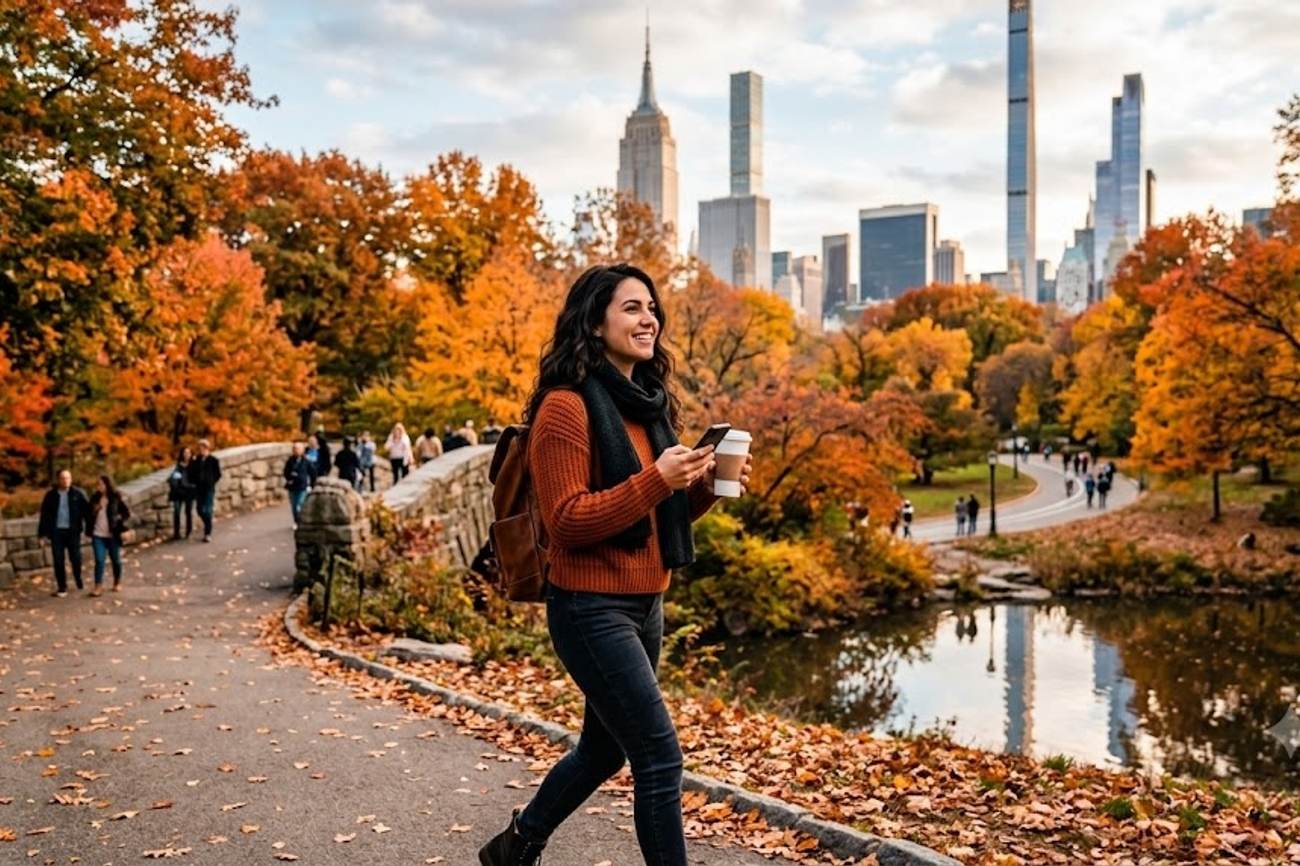
Image generated by AI
A 59% year-over-year surge in autumn travel bookings across the United States signals a fundamental collapse of the traditional "shoulder season." This unprecedented spike in reservations for September, October, and November 2026 indicates that the American tourism industry is no longer bound by the predictable summer-peak/autumn-trough cycle that defined the sector for decades.
The Death of the Shoulder Season
For generations, the U.S. travel industry operated on a rigid dichotomy: a summer deluge of visitors followed by a precipitous decline in hotel occupancy and flight volumes starting in September. However, 2026 data confirms that this paradigm has been permanently dismantled. The emergence of the "fallcation" and "coolcation" trends reflects a strategic shift in consumer psychology. Travelers are now actively avoiding the extreme heatwaves of July and August, opting instead for the temperate climates of the Northern Hemisphere's autumn.
This behavioral shift is reinforced by the structural evolution of the American workforce. The normalization of hybrid office environments and remote work has decoupled travel from the strict constraints of the school calendar and corporate leave windows. Professionals are now leveraging flexible schedules to visit hubs like New York, Seattle, and Chicago during periods that were previously considered low-demand. This systemic change has transformed autumn from a period of recovery into a primary revenue driver.
2026 Growth Metrics and Fiscal Impact
The financial momentum leading into this autumn surge was established in mid-summer. According to the Bureau of Economic Analysis (BEA), total travel spending in July 2026 hit $122.8 billion, marking a 5.8% increase over July 2025. This high level of consumer confidence has transitioned directly into the fourth quarter, defying historical seasonal drop-offs.
The growth is not uniform across the quarter but shows an aggressive acceleration in early autumn. September 2026 is currently leading the season, with certain high-end luxury sectors reporting a 77% increase in sales. This trajectory suggests that September may actually outpace August in both total booking volume and overall revenue generation for the first time in recent history.
| Month (2026) | Year-Over-Year Booking Increase | Primary Growth Driver |
|---|---|---|
| September | 77% (High-end sectors) | "Coolcation" trend / Luxury demand |
| October | 59% | Regional events / Temperate weather |
| November | 70% | Early holiday travel / Remote work flexibility |
| Overall Autumn | >59% | Structural shift in travel behavior |
To sustain this momentum, the National Travel and Tourism Office (NTTO) has projected that total international visitation to the U.S. will reach approximately 70.5 million visitors in 2026. This influx is being actively cultivated by Brand USA, which is targeting high-spending European markets through initiatives like Travel Week UK & Europe in Amsterdam to ensure the autumn surge is bolstered by international capital.
Expert Analysis: The Economics of the "Coolcation"
For travelers booking routes into major U.S. hubs this autumn, the direct consequence of a 59% booking jump is a total inversion of pricing power. Historically, September and October offered "shoulder season" discounts—lower airfares and reduced hotel rates as operators scrambled to fill capacity. In 2026, that window has closed.
The pricing pressure created by this surge means that "off-peak" pricing is effectively extinct in cities like New York and Seattle. When high-end sectors see a 77% increase in September sales, hotels move from a strategy of attracting guests to optimizing yield. Travelers will likely see dynamic pricing models push rates toward summer peaks, even in October.
Furthermore, the shift toward "coolcations" suggests a geopolitical and environmental driver: climate migration. As summer temperatures in the Northern Hemisphere become prohibitive, the demand for temperate autumn travel becomes a necessity rather than a preference. For the travel industry, this creates a more stable, year-round revenue stream, reducing the volatility of seasonal cash flows. However, for the nomad or the budget-conscious traveler, the "sweet spot" for affordable U.S. travel has shifted. To find value, travelers must now look beyond the traditional autumn window or target secondary markets that haven't yet been absorbed by the "fallcation" trend.
Key Takeaways
- Record Growth: Autumn bookings for 2026 have increased by over 59% year-over-year, with September luxury sales jumping by 77%.
- Spending Power: July 2026 travel spending reached $122.8 billion, providing a high-liquidity foundation for the autumn surge.
- Visitor Volume: The U.S. is on track for 70.5 million international visitors in 2026, according to NTTO forecasts.
- Behavioral Shift: The "coolcation" trend is driving travelers away from summer heat toward temperate autumn exploration.
- Workforce Impact: Remote and hybrid work models have permanently decoupled travel from the traditional school and corporate calendars.
FAQ: U.S. Autumn Travel 2026
Is it still cheaper to travel to the U.S. in autumn than in summer? Not necessarily. With bookings up 59% and luxury sales up 77% in September, the traditional "shoulder season" discounts are disappearing. Pricing in major cities like New York and Seattle is now aligning more closely with summer peaks.
What is a "coolcation"? A "coolcation" is a travel trend where tourists deliberately avoid extreme summer heatwaves in July and August, instead scheduling their primary vacations for September, October, and November to enjoy temperate weather and smaller crowds.
How has remote work affected autumn travel? Flexible corporate schedules and hybrid work have allowed a larger demographic of professionals to travel outside of traditional holiday windows, contributing significantly to the 59% surge in autumn bookings.
Which U.S. cities are seeing the most autumn growth? Data indicates a strong preference for cities with cooler climates and vibrant autumn cultural calendars, specifically highlighting New York, Seattle, and Chicago as primary destinations.
The era of the quiet autumn is over; the shoulder season has been priced out of existence.
Tags: Brand USA 2026, NTTO Visitation Forecast, US Autumn Travel Surge, Coolcation Trend 2026, US Travel Association Data
Related Travel Guides
Disclaimer
This article is for informational and educational purposes only. It does not constitute legal, financial, or professional advice. While we strive to provide accurate and up-to-date information, travel policies, regulations, and conditions change rapidly. Always verify information with official sources before making travel decisions. Nomad Lawyer makes no representations about the accuracy, reliability, completeness, or suitability of the information provided. Readers should consult qualified professionals for advice specific to their circumstances. The views expressed in this article are those of the author and do not necessarily reflect the views of Nomad Lawyer.
Preeti Gunjan
Contributor & Community Manager
A passionate traveller and community builder. Preeti helps grow the Nomad Lawyer community, fostering engagement and bringing the reader experience to life.
Learn more about our team →