
Dubai Expands Tourism Infrastructure With New High-Tech Attractions and Family Experiences in 2026
Dubai is diversifying its global tourism appeal by launching a series of immersive, tech-driven attractions and family-centric experiences to increase visitor stay duration in 2026.
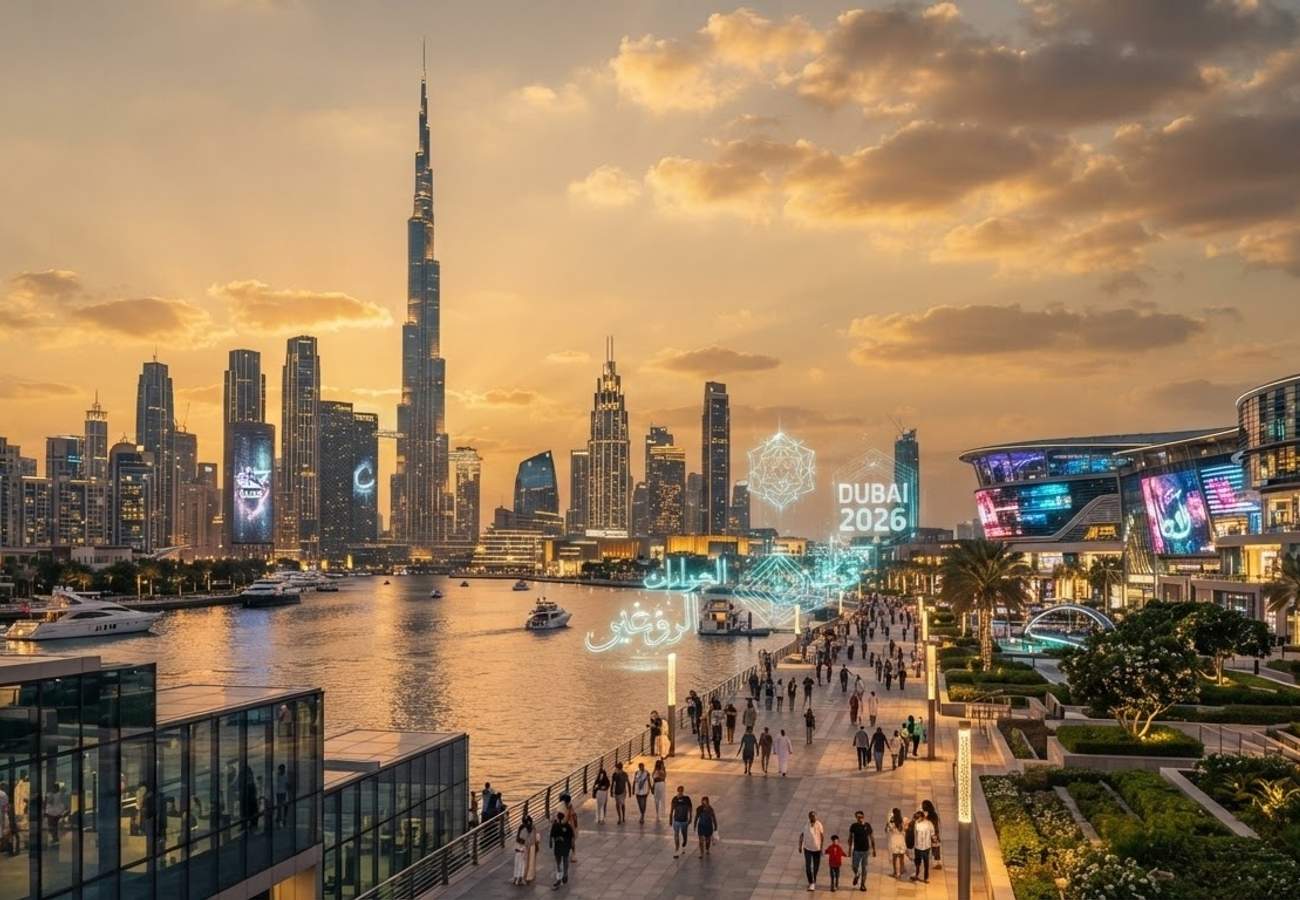
Image generated by AI
[Dubai, September 6, 2026] — Dubai is aggressively scaling its tourism portfolio with the launch of several high-tech attractions and entertainment venues designed to maintain its status as a premier global destination. By integrating immersive technology with traditional sightseeing, the emirate is targeting a broader demographic of international travelers, specifically focusing on multi-generational families and adventure seekers.
The city's current tourism strategy shifts away from a reliance on static landmarks toward a dynamic "experience economy." This evolution involves the deployment of digital worlds, interactive zones, and climate-controlled indoor environments that allow for year-round tourism, regardless of the extreme heat typical of the region. According to industry reports, these developments are intended to transform Dubai from a short-stop transit hub into a long-stay destination.
Integration of Technology and Immersive Entertainment in Dubai
The newest wave of attractions in Dubai is characterized by a heavy reliance on immersive digital technology. Rather than traditional galleries or museums, the city is introducing interactive journeys where visitors can engage with digital environments. This shift caters to a younger, tech-savvy generation of travelers who prioritize "shareable" and interactive moments over passive observation.
These new ventures are categorized into five distinct streams to ensure a diversified appeal:
- Immersive Entertainment: High-tech digital realms using augmented and virtual reality to create interactive narratives.
- Adventure Zones: High-adrenaline activities specifically engineered for thrill-seekers.
- Family-Centric Hubs: Spaces designed for simultaneous engagement of children and adults.
- Cultural Districts: Sites that blend modern architecture with the heritage and local identity of the UAE.
- Exclusive Luxury: Premium, high-ticket experiences offering private access and panoramic views.
By diversifying these offerings, Dubai allows visitors to customize their itineraries. A solo traveler might focus on high-energy adventure zones, while a couple might prioritize luxury experiences and cultural districts.
Synergy Between New Developments and Iconic Dubai Landmarks
Despite the influx of new attractions, the city's established icons continue to drive the bulk of global demand. The Burj Khalifa, Dubai Mall, and the Dubai Aquarium remain the primary anchors for most itineraries. However, the current trend involves "clustering" these iconic sites with newer, smaller-scale immersive experiences to create a more comprehensive travel program.
Many of these locations are now bundled through digital sightseeing passes. These passes allow tourists to bypass individual ticket queues and manage their budgets more effectively. Common itinerary combinations now include:
- Observation decks at the Burj Khalifa paired with immersive digital art.
- Shopping at the Dubai Mall integrated with underwater experiences at the Aquarium.
- Traditional desert safaris combined with new outdoor adventure parks.
- Marina sightseeing linked with cultural neighborhood walking tours.
Optimizing Travel Budgets via Attraction Passes
To lower the barrier to entry for mid-range travelers, Dubai has expanded its system of attraction passes. These packages are designed to reduce the logistical friction of planning a multi-day trip. By offering bundled pricing, the city is encouraging tourists to visit a higher volume of sites than they would if paying individual admission fees.
For the international visitor, these passes provide several logistical advantages:
- Financial Predictability: Better budgeting by paying a flat fee for multiple entries.
- Time Efficiency: Reduced time spent on ticket procurement and planning.
- Flexibility: The ability to swap between adventure, family, or cultural packages based on real-time interest.
- Streamlined Management: Digital integration of tickets via smartphones, reducing the need for physical vouchers.
Enhancing the Family Travel Experience
Dubai is positioning itself as a primary hub for multi-generational travel. The city has recognized a gap in the market for attractions that provide educational value alongside entertainment, leading to the creation of "edutainment" centers. These venues are particularly vital during the warmer months, as they provide a climate-controlled environment that prevents "tourist burnout" caused by the heat.
Families are increasingly utilizing theme parks, aquatic centers, and wildlife experiences that are designed for various age groups. This infrastructure encourages longer stays, as families can dedicate separate days to different categories of entertainment rather than rushing through a list of landmarks in 48 hours.
Strategies for Extending Visitor Stay Duration
The ultimate goal of these new attractions is to increase the average length of stay for international tourists. By moving beyond the "shopping and skyline" narrative, Dubai is offering a multifaceted experience that blends relaxation, culture, and adrenaline.
The following table outlines the current experience matrix available to travelers:
| Experience Type | Primary Examples for Travelers |
|---|---|
| Landmark Visits | Architectural icons and skyline observation decks |
| Entertainment | Immersive digital attractions and live shows |
| Adventure | Water sports, desert excursions, and outdoor parks |
| Culture | Heritage districts and local Emirati experiences |
| Shopping | High-end modern malls and traditional souks |
Logistical Planning for the Modern Dubai Visitor
With the expansion of the attraction network, strategic planning has become more important for the average traveler. Industry observers suggest that visitors should utilize the city's official digital planning tools to map out their trips by location to avoid excessive travel time between districts.
Key recommendations for 2026 visitors include:
- Advanced Booking: Securing slots for high-demand immersive experiences to avoid long queues.
- Seasonal Scheduling: Planning indoor, tech-driven activities during peak heat hours and outdoor adventures for early morning or evening.
- Geographic Clustering: Grouping nearby attractions (e.g., combining the Dubai Mall with the Burj Khalifa) to maximize efficiency.
- Transport Integration: Leveraging the city's expanded transport network to move between diverse attraction zones.
Why This Matters: The Impact on the Global Traveler
From a logistical standpoint, Dubai's shift toward a diversified attraction model means that the city is no longer just a "luxury" destination; it is becoming a "versatile" one. For the traveler, this means a significant increase in value for money. The introduction of tiered attraction passes and a wider variety of mid-range entertainment options makes the city accessible to a broader socio-economic range of tourists.
Furthermore, the emphasis on indoor, high-tech experiences solves a long-standing problem for UAE tourism: seasonality. By decoupling the tourist experience from the weather, Dubai ensures a consistent flow of visitors year-round, which in turn stabilizes pricing and service quality. For the visitor, this means that a trip to Dubai in July can now be as fulfilling and comfortable as a trip in December.
Dubai continues to redefine the boundaries of urban tourism by blending the physical and digital worlds.
Related Travel Guides
Disclaimer
This article is for informational and educational purposes only. It does not constitute legal, financial, or professional advice. While we strive to provide accurate and up-to-date information, travel policies, regulations, and conditions change rapidly. Always verify information with official sources before making travel decisions. Nomad Lawyer makes no representations about the accuracy, reliability, completeness, or suitability of the information provided. Readers should consult qualified professionals for advice specific to their circumstances. The views expressed in this article are those of the author and do not necessarily reflect the views of Nomad Lawyer.