
France Chikungunya Alert 2026: Local Transmission Cases Spark Travel Warnings in Southern Regions
Public health data reveals 25 locally acquired chikungunya cases in France for 2026, following a record 800+ cases in 2025, triggering warnings for travelers in southwestern regions.

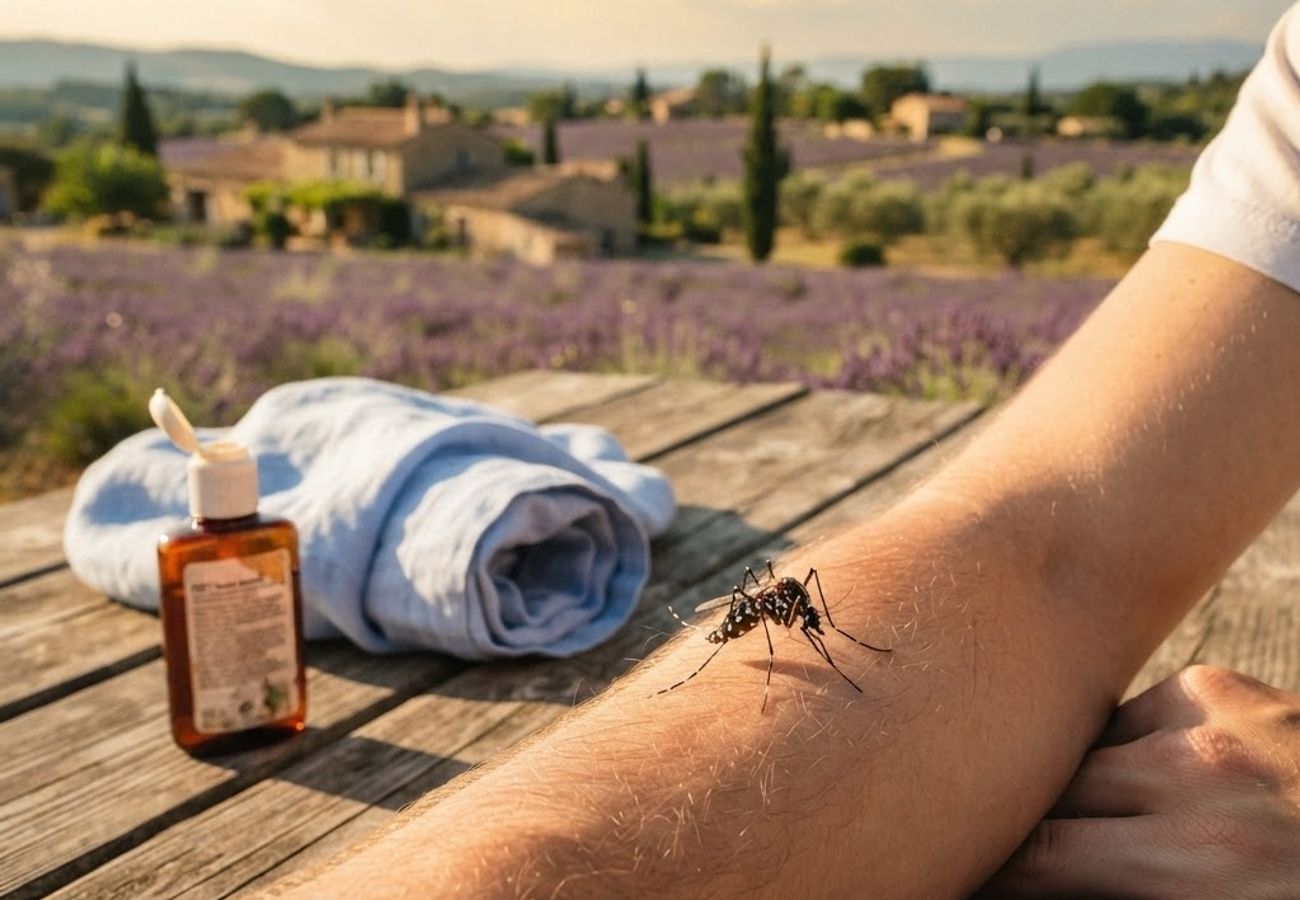
Image generated by AI
Public health surveillance indicates persistent local transmission of chikungunya in mainland France for the 2026 season. While case numbers are lower than the previous record year, the presence of the invasive tiger mosquito maintains a standing risk for international visitors.
Current Epidemiological Status in France
Surveillance data as of mid-August 2026 confirms 25 locally acquired cases of chikungunya in mainland France since the start of the year. These infections are primarily concentrated in small clusters within the southwestern regions of the country.
Our analysis of the current data suggests a relative reprieve compared to 2025, which served as a critical turning point for the virus in Europe. In 2025, France recorded more than 800 locally acquired infections—the highest annual tally since monitoring began. This surge was largely attributed to the E1 A226V mutation, a genetic variant that allows the virus to be transmitted more efficiently by the Aedes albopictus (tiger mosquito).
The 2025 outbreak was linked to a massive concurrent event on Réunion Island, a French overseas territory. This resulted in a high volume of imported cases into the mainland, which then seeded local transmission in southern departments where tiger mosquito populations are established.
Risk Breakdown by Region and Traveler Profile
While the absolute probability of infection for the average tourist remains low, the risk is not negligible. The following breakdown identifies high-exposure scenarios:
- High-Risk Zones: Southwestern France and southern departments where Aedes albopictus is endemic.
- High-Exposure Environments: Shaded gardens, campsites, and peri-urban areas with standing water.
- Low-Risk Environments: Air-conditioned hotels, well-screened accommodations, and indoor urban settings.
- Vulnerable Populations: Older adults, pregnant travelers, very young children, and individuals with underlying health conditions are at a higher risk of severe or prolonged symptoms.
Passenger Health Advisory & Prevention
For the affected traveler, this means that standard precautions are necessary, particularly during the peak mosquito activity windows of daytime and early evening.
Our analysis of current health guidelines suggests the following prevention protocol:
- Chemical Barriers: Use repellents containing DEET, picaridin, or IR3535.
- Physical Barriers: Wear light-colored, long-sleeved shirts and trousers.
- Environmental Control: Utilize plug-in insecticide devices and ensure window screens are intact.
- Medical Consultation: Travelers with chronic conditions or those planning extended stays in southern France should consult a travel health provider several weeks before departure.
Post-Travel Monitoring and Medical Action
The incubation period for chikungunya typically ranges from a few days up to 12 days. Returning travelers must monitor for the following symptoms:
- Sudden onset of fever
- Intense joint or muscle pain (often debilitating)
- Headaches and skin rashes
If these symptoms appear, travelers should seek immediate medical evaluation and explicitly disclose their travel history to clinicians. This is essential for differentiating chikungunya from other arboviruses, such as dengue, which present with similar clinical profiles.
The shift from sporadic cases to the 800+ infections seen in 2025 indicates that Europe is facing a structural change in arbovirus risk. The convergence of climate trends, increasing urbanization, and high global travel volumes has created a permanent environment for Aedes mosquitoes to thrive.
The 2026 lull in cases should not be viewed as the disappearance of the threat. Instead, it demonstrates a pattern of cyclical outbreaks where local transmission recurs whenever viral introductions from overseas territories align with favorable summer temperatures.
Stay vigilant and prioritize preventative health measures when visiting southern European regions during peak mosquito seasons.
Related Travel Guides
Disclaimer
This article is for informational and educational purposes only. It does not constitute legal, financial, or professional advice. While we strive to provide accurate and up-to-date information, travel policies, regulations, and conditions change rapidly. Always verify information with official sources before making travel decisions. Nomad Lawyer makes no representations about the accuracy, reliability, completeness, or suitability of the information provided. Readers should consult qualified professionals for advice specific to their circumstances. The views expressed in this article are those of the author and do not necessarily reflect the views of Nomad Lawyer.
Preeti Gunjan
Contributor & Community Manager
A passionate traveller and community builder. Preeti helps grow the Nomad Lawyer community, fostering engagement and bringing the reader experience to life.
Learn more about our team →