
Denmark Showcases Beautiful Island Holidays With Unforgettable Slow Travel Adventures
Denmark Showcases Beautiful Island Holidays With Unforgettable Slow Travel Adventures

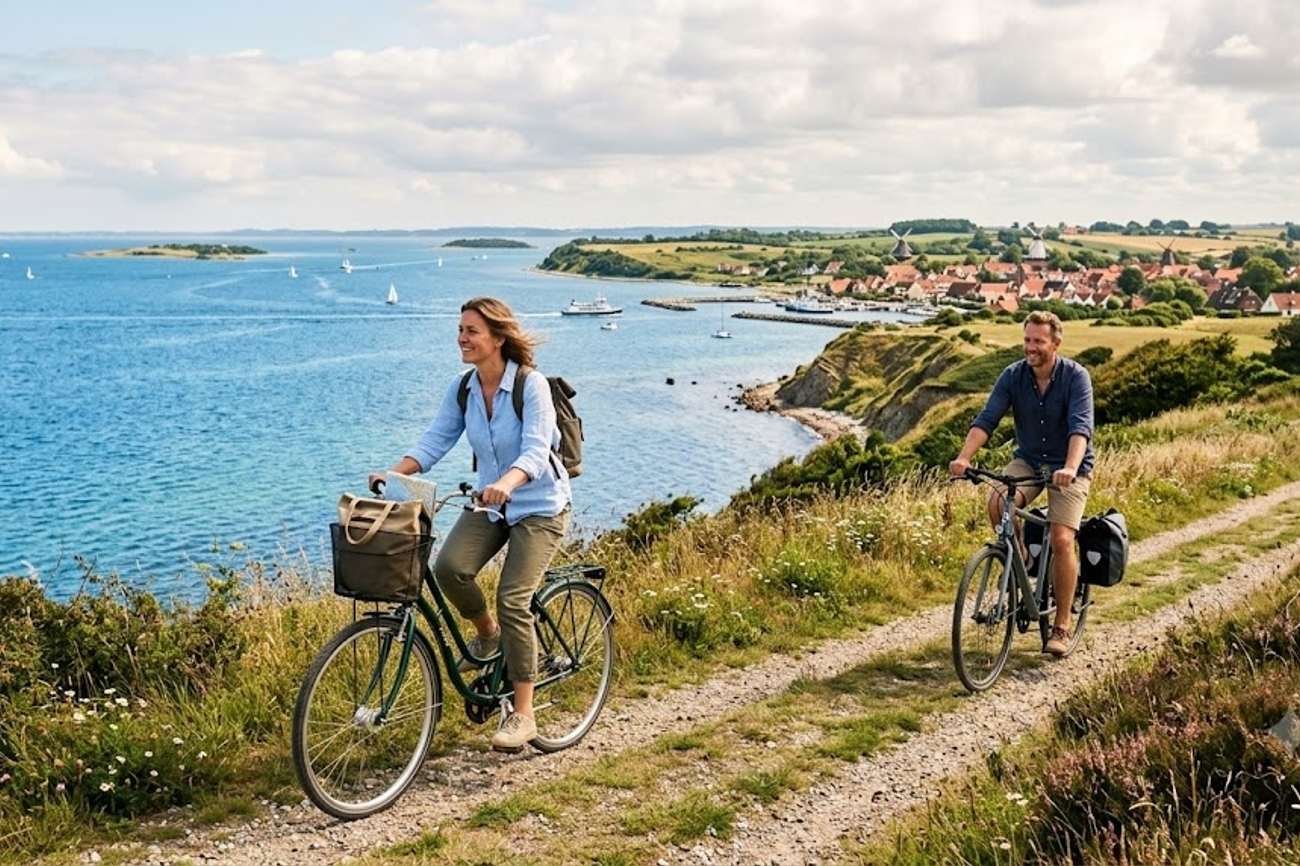
Image generated by AI
While traditional urban tourism in Copenhagen has long dominated the Danish market, the shift toward "slow travel" has seen a surge in interest for regional island destinations, mirroring a broader European trend where secondary destinations are growing at a faster rate than primary hubs. This strategic pivot by Denmark to promote its quiet islands—specifically Bornholm, Samsø, and Ærø—signals a move toward high-value, low-impact tourism designed to redistribute passenger flow away from saturated city centers.
The Decentralization of Danish Tourism in Numbers
The current push toward island tourism is not merely a marketing shift but a response to the global rise of regenerative travel. By prioritizing destinations like Bornholm, Ærø, and Samsø, Denmark is leveraging its unique geography to capture a specific market segment: the eco-conscious, high-spending traveler. The data indicates a clear preference for "authentic coastal vacations" characterized by cycling routes, local cuisine, and sea tourism.
Bornholm, positioned as the "Sunshine Island" in the Baltic Sea, serves as the primary anchor for this trend. Its attraction lies in a diversified portfolio of assets: medieval history via the Hammershus Castle ruins, dramatic coastal cliffs, and a specialized culinary sector focused on traditional smokehouses. This diversification allows the island to maintain visitor interest across multiple demographics, from history buffs to adventure seekers.
Simultaneously, Samsø and Ærø are being positioned as benchmarks for sustainable infrastructure. Samsø, in particular, is utilized as a case study for renewable energy achievements, transforming the island into a destination for "educational tourism." Ærø complements this by focusing on maritime heritage and community-based travel. The movement toward car-free exploration—supported by extensive bicycle-friendly infrastructure—aligns with UNWTO guidelines for sustainable tourism development, aiming to reduce the carbon footprint per visitor.
Comparative Market Analysis: Urban vs. Island Trajectories
Historically, Danish tourism has been concentrated in the capital region. However, the current trajectory shows a calculated redistribution of tourist traffic. While city tourism relies on high-volume, short-stay patterns, the island model promotes "slow travel," which typically correlates with longer average lengths of stay (ALOS) and higher per-capita spending on local services.
The following table compares the operational focus and traveler profiles between the traditional urban model and the emerging island model:
| Metric | Urban Tourism (Copenhagen) | Island Tourism (Bornholm, Samsø, Ærø) |
|---|---|---|
| Primary Transport | International Flight / Metro | Ferry / Bicycle / Walking |
| Traveler Intent | Sightseeing / Business / Shopping | Nature / Sustainability / Wellness |
| Pace of Consumption | High-speed / High-density | Slow Travel / Low-density |
| Infrastructure Focus | Mass Transit / Luxury Hotels | Ferry Links / Eco-stays / Bike Paths |
| Key Value Driver | Global Landmarks | Authentic Community / Natural Scenery |
| Environmental Impact | High Urban Concentration | Distributed / Eco-friendly Initiatives |
This shift is mirrored in wider Nordic trends. According to data trends often tracked by STR, there is an increasing demand for "boutique" and "nature-integrated" accommodations over standardized hotel chains. Denmark's islands are capturing this demand by offering everything from traditional local stays to specialized eco-lodgings.
What This Means for Travelers
For the individual traveler, the pivot toward island tourism changes the booking logic. The reliance on ferry connections and seasonal availability means that the "spontaneous" booking window is narrowing for these regions.
If you are planning a visit to Bornholm, Samsø, or Ærø, the following data-driven strategies are recommended:
- Synchronize Transport with Lodging: Because these islands rely on specific ferry schedules, booking accommodation and ferry tickets as a single block is essential. Unlike city hotels, island lodging capacity is finite and cannot scale quickly during peak summer months.
- Prioritize the "Shoulder" Seasons: While summer provides the longest daylight hours, spring and autumn offer a significant reduction in crowds. For those seeking the "quiet islands" experience, booking in May or September avoids the peak-season congestion that can undermine the slow-travel appeal.
- Invest in Cycling Logistics: Given the heavy emphasis on car-free tourism and bicycle-friendly infrastructure, travelers should verify if their accommodation provides rentals or if they need to coordinate bike transport via the ferry.
- Budget for Localism: Expect higher costs for "farm-to-table" and "traditional smokehouse" experiences compared to urban fast-casual options. The value proposition here is quality and authenticity over volume.
Forward Projection: The Future of the Baltic Escape
Based on current market movements, the Danish island trend is heading toward a "premiumization" of nature. As more travelers seek escapes from urban saturation, destinations like Bornholm will likely see an increase in high-end eco-resorts and specialized wellness retreats.
We can expect a further integration of digital tourism tools. To manage the flow of visitors and prevent "overtourism" in small villages like those on Ærø, the Danish tourism board may implement more sophisticated booking systems for ferry and activity slots. Furthermore, the success of Samsø’s renewable energy branding suggests that "Climate Tourism"—where travelers visit specifically to see sustainable technology in action—will become a viable niche market.
The growth of these regions is also likely to trigger a competitive response from other Baltic and North Sea destinations. As Denmark optimizes its ferry and cycling networks, we will see a regional race to standardize "green corridors" for travelers moving between islands without the use of internal combustion engines. This aligns with IATA and other transport bodies' long-term goals of reducing the overall environmental impact of tourist mobility.
FAQ: Danish Island Tourism 2024-2025
Will travel costs increase for island destinations? Yes, as demand for "slow travel" grows, boutique accommodations and ferry services may see price adjustments. However, the shift toward cycling and walking can reduce overall local transport expenses compared to car rentals.
Is it better to book ferries in advance or on arrival? Advance booking is highly recommended. Because these islands have fixed capacities and rely on scheduled ferry connections, peak season slots fill quickly, potentially leaving travelers stranded on the mainland.
Which island is best for first-time sustainable travelers? Samsø is the premier choice for those interested in renewable energy and eco-friendly living. For those seeking a blend of history and nature, Bornholm offers the most diverse range of activities.
Are these islands accessible for families with children? Yes. The infrastructure is specifically designed for families, with a heavy emphasis on safe cycling routes, beaches, and outdoor activities that cater to all age groups.
The transition from city-centric tourism to island-based exploration marks the end of the 'checklist' vacation and the beginning of the 'experience' era in Scandinavia.
#DenmarkTourism #SlowTravelTrends #BornholmTravel #SustainableTourism2025 #BalticSeaTourism #EcoTravelDenmark
Related Travel Guides
- Abu Dhabi’s Yas Island Launches Dh6 Billion The Wadi Community With Waterfront Living, Tourism Growth And Future Mega Attractions
- Best October Travel Destinations For 2026 Offer Autumn Escapes, Coastal Retreats And Cultural Adventures
- Qhapaq Ñan Andean Road: How Digital Guardians in Colombia, Ecuador, and Peru Are Reshaping Heritage Travel
Disclaimer
This article is for informational and educational purposes only. It does not constitute legal, financial, or professional advice. While we strive to provide accurate and up-to-date information, travel policies, regulations, and conditions change rapidly. Always verify information with official sources before making travel decisions. Nomad Lawyer makes no representations about the accuracy, reliability, completeness, or suitability of the information provided. Readers should consult qualified professionals for advice specific to their circumstances. The views expressed in this article are those of the author and do not necessarily reflect the views of Nomad Lawyer.
Preeti Gunjan
Contributor & Community Manager
A passionate traveller and community builder. Preeti helps grow the Nomad Lawyer community, fostering engagement and bringing the reader experience to life.
Learn more about our team →