
Denmark Teams Up With EU Partners To Fuel Tourism Boom With 8% Growth
Denmark leads the European travel sector in early 2026, recording an 8.7% surge in international visitor arrivals.

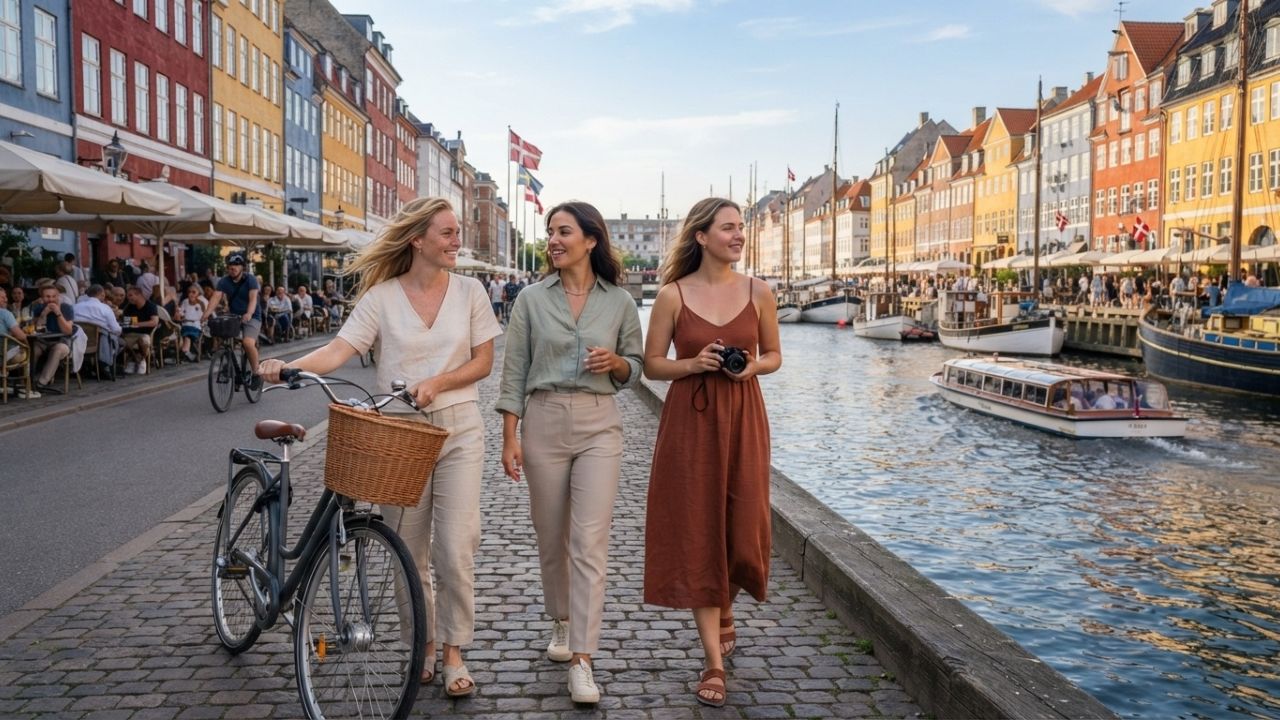
Image generated by AI
Denmark is leading the Nordic travel sector with a notable 8.7% rise in international tourist arrivals during the first four months of 2026. Data from UN Tourism highlights the country’s emergence as a favorite EU destination, driven by a growing preference for eco-conscious travel and regional exploration.
While major European destinations continue their post-pandemic recovery, Northern Europe is experiencing a shift in traveler preferences. International visitors are increasingly seeking authentic, environmentally responsible experiences, choosing less congested alternatives to Europe’s busiest city centers.
By coordinating sustainable transit networks and showcasing regional destinations beyond the capital, Denmark is building a resilient tourism model that supports local communities and regional businesses.
Spreading Visitor Spending across Denmark’s Islands and Coastlines
Denmark's travel strategy focuses on distributing visitor numbers across multiple regions. This approach reduces ecological pressure on metropolitan centers and drives tourism spending to smaller, rural communities.
According to reports from VisitDenmark, international visitors are exploring the country's extensive coastlines, coastal towns, and outlying islands like Bornholm. These locations offer nature-based tourism, hiking trails, and cycling infrastructure, aligning with the desires of travelers who prioritize green mobility and eco-friendly stays.
Cultural Infrastructure and Connectivity at Copenhagen Airport
Copenhagen remains the primary economic engine for Danish tourism. The capital connects historic waterfront landmarks like Nyhavn with modern design districts, culinary centers, and royal palaces.
To support these arrivals, Copenhagen Airport (CPH) has expanded its international connections, linking Denmark with key source markets in Europe, North America, and Asia. However, rather than encouraging visitors to stay solely within the capital, transit networks are optimized to route travelers directly to regional hubs via electric train and bus links.
Comparative Success Models: Denmark’s Green Focus and France’s Premium Inbound Arrivals
According to statistics compiled by UN Tourism, Denmark’s 8.7% arrival growth between January and April 2026 contrasts with France's 2.8% increase during the same period. While France remains the world's most visited destination in absolute numbers, its growth strategy is shifting from volume expansion toward attracting high-yield, long-stay visitors to regions like Provence, the French Riviera, and the Alps.
Germany, Norway, Sweden, and the Netherlands are also experiencing stable demand. These destinations benefit from regional cooperation, where travelers treat the Nordic and North-Western European markets as integrated travel zones, exploring multiple countries along unified cycling or train routes.
Local Visitor Guide and Danish Outdoor Etiquette
To help you navigate Denmark's regional attractions and travel sustainably:
- Utilize the National Cycle Routes: Denmark is exceptionally flat and features over 12,000 kilometers of signposted bike paths. Rent a bicycle to explore coastal towns and islands, reducing your travel emissions.
- Practice 'Hygge' and Community Respect: Danes value quiet, clean public spaces. Avoid leaving trash in nature reserves and respect local speed and lane guidelines on city bike paths.
- Support Local Farm Shops: When traveling through rural Jutland or Bornholm, buy fresh produce and baked goods directly from local farm honor-system boxes (gårdbutik).
- Local Culinary Specialties:
- Smørrebrød: Sample the traditional open-faced rye bread sandwich topped with pickled herring, egg, and fresh herbs.
- Bornholm Smoked Herring: Try the local smoked fish delicacies prepared in historic smokehouses on the island of Bornholm.
- Off-Peak Visit Windows: Visit during the shoulder seasons—May to June or September to October—to enjoy mild weather and fewer crowds at major museums and theme parks.
Future Projections for Sustainable Nordic Co-op and Year-Round Flow Management
The rise of Danish inbound arrivals shows that smaller, sustainability-focused destinations can compete effectively in the global market. By encouraging regional dispersal and investing in green infrastructure, Denmark is addressing the challenges of seasonal travel concentration.
Over the coming years, continued cooperation within the EU will focus on integrating digital ticketing platforms and expanding cross-border rail connections. This focus on green mobility and authentic cultural experiences ensures that Denmark and its Nordic partners can support tourism growth while protecting their natural resources for future generations.
Related Travel Guides
Disclaimer
This article is for informational and educational purposes only. It does not constitute legal, financial, or professional advice. While we strive to provide accurate and up-to-date information, travel policies, regulations, and conditions change rapidly. Always verify information with official sources before making travel decisions. Nomad Lawyer makes no representations about the accuracy, reliability, completeness, or suitability of the information provided. Readers should consult qualified professionals for advice specific to their circumstances. The views expressed in this article are those of the author and do not necessarily reflect the views of Nomad Lawyer.
Kunal K Choudhary
Co-Founder & Contributor
A passionate traveller and tech enthusiast. Kunal contributes to the vision and growth of Nomad Lawyer, bringing fresh perspectives and driving the community forward.
Learn more about our team →