
Switzerland Links with Other EU Nations in Hotel Revenue Decline After 2% Tourism Drop
Switzerland's hotel overnight stays fell 2.2% in June 2026, reflecting a wider European trend of softening international demand and price sensitivity.

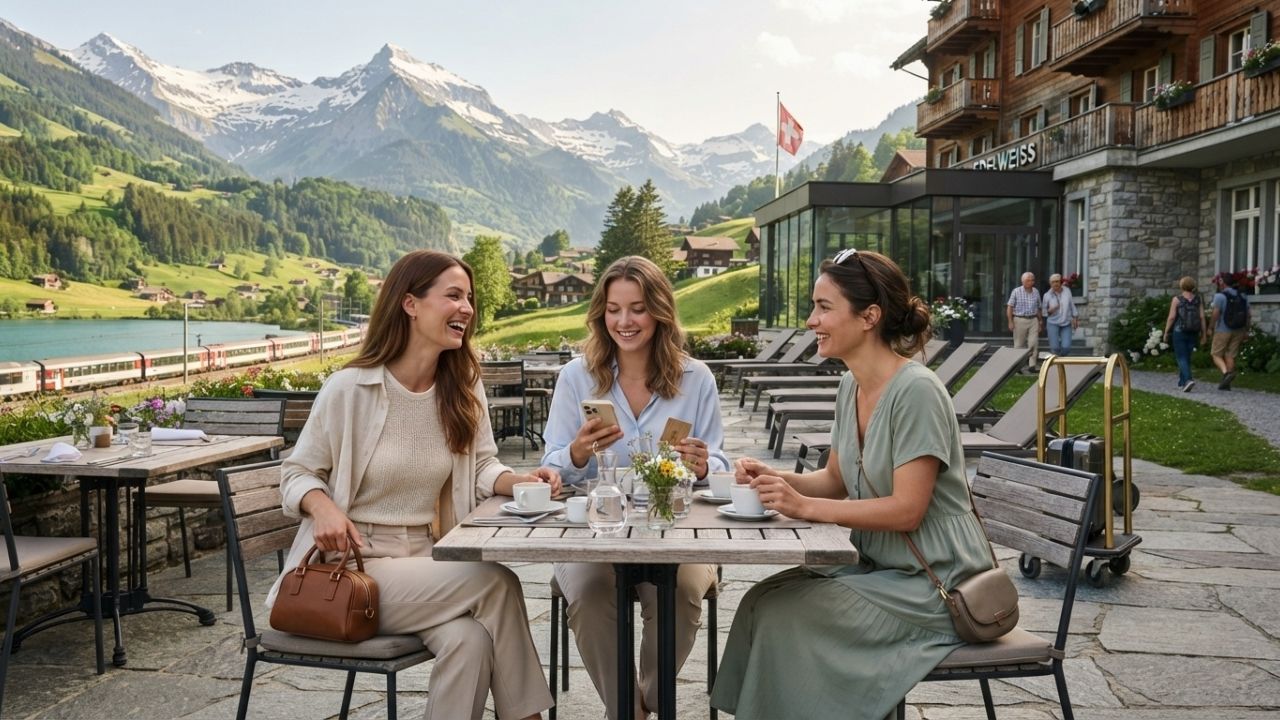
Image generated by AI
Switzerland’s hospitality sector recorded a 2.2% drop in hotel overnight stays in June 2026 as softening long-haul demand and rising costs impact traditional European tourist markets. According to the Swiss Federal Statistical Office, total stays fell to 4.1 million for the month, highlighting a broader shift toward price sensitivity across Europe.
The previously steady expansion of the Alpine tourism sector has entered a period of moderation. In the first half of 2026, hoteliers across Switzerland experienced a softening of international leisure arrivals. This deceleration is not isolated; destinations throughout Western and Southern Europe are reporting comparable adjustments as global travelers navigate capacity constraints, currency fluctuations, and rising travel costs.
While the downturn does not represent an economic crisis, it highlights a changing environment where destinations must rely more heavily on domestic visitors to stabilize hotel occupancy.
Softening Long-Haul Demand and Swiss Hospitality Adjustments
According to official datasets released by the Swiss Federal Statistical Office (FSO), the country registered 4.1 million overnight stays in June 2026, representing a decrease of approximately 93,000 stays compared with the same month in 2025. International overnight stays fell by 4.4% to 2.2 million, while domestic overnight stays provided stability, increasing slightly by 0.4% to 1.9 million.
The half-year statistics (January to June 2026) show a similar pattern:
- Total Overnight Stays: 20.3 million, representing a 0.7% contraction compared to the first half of 2025.
- Foreign Overnight Stays: 10.2 million stays, reflecting a 2% decline.
- Domestic Overnight Stays: 10.1 million stays, representing a 0.7% increase.
This trend is a contrast to the record-breaking performance of 2025, when Switzerland achieved a historic high of 42.8 million total overnight stays. The current slowdown is partly linked to geopolitical uncertainty and rising transport costs, which have encouraged long-haul travelers to adjust their travel habits.
Comparative Trends in Austrian Alpine Regions and German Business Hubs
Switzerland’s neighbor, Austria, is experiencing similar adjustments. The Austrian National Tourist Office (ANTO) monitors visitor activity in major Alpine regions such as Tyrol and Salzburg. These destinations rely heavily on international leisure travelers visiting for hiking, skiing, and wellness retreats, making them vulnerable when travel budgets contract or flight frequencies shift.
In Germany, the hospitality sector is facing pressure from a slower recovery in business travel. Major commercial hubs—including Berlin, Munich, and Frankfurt—depend on trade fairs, corporate meetings, and international conferences to support weekday hotel occupancy. While domestic leisure travelers provide a stabilizing buffer, the lack of corporate travel volume has forced many German urban hotels to pivot toward weekend leisure packages and extended-stay bookings.
Price Sensitivity in Italy and Southern European Weather Factors
In Southern Europe, Italy remains a primary destination, yet premium submarkets such as Venice, Florence, Rome, Lake Como, and the Amalfi Coast are adjusting to price-sensitive consumer behaviors. Hoteliers face rising operational expenses, which has pushed room rates higher. In response, travelers are shortening their stays, choosing shoulder-season travel, or selecting less crowded regional alternatives to manage their budgets.
In Greece, tourism planners are prioritizing climate resilience. Popular island destinations like Crete and Rhodes are adjusting their crisis management and water supply systems to protect visitor safety during peak summer heatwaves.
Concurrently, Spain and Portugal are managing high visitor volumes while focusing on sustainable tourism. Spanish hubs like Barcelona, Mallorca, and the Canary Islands are prioritizing local housing needs and water conservation, shifting their focus toward attracting high-value travelers rather than merely increasing visitor numbers.
Local Visitor Guide and Alpine Travel Advice
To help you plan your Swiss and Alpine itineraries while staying within budget:
- Utilize the Swiss Travel Pass: If you plan to travel between regions, purchase a Swiss Travel Pass from Switzerland Tourism. It offers unlimited travel on trains, buses, and boats, including free entry to over 500 museums, representing a significant saving over point-to-point tickets.
- Opt for Regional Half-Fare Cards: If staying in a single valley (such as Lauterbrunnen or Zermatt), look for regional guest cards provided by your accommodation. These often include free local bus transport and discounts on mountain cable cars.
- Local Culinary Specialties:
- In Switzerland: Try Rösti (grated and pan-fried potatoes, often topped with cheese and eggs) and traditional cheese fondue in family-run mountain huts.
- In Austria: Sample Wiener Schnitzel and Kaiserschmarrn (shredded sweet pancakes served with fruit compote) in rural guesthouses.
- Off-Peak Visit Windows: Travel in the shoulder seasons—September to October or May to June—to secure lower hotel rates and avoid peak crowds on scenic railways like the Glacier Express.
- Support Local Agrisector: Purchase cheeses, chocolates, and fresh produce directly from farm honor-system boxes (Hofladen) located along hiking trails, ensuring your spending directly benefits local farmers.
Future Projections for Coolcation Travel and Regional Resiliency
The slowdown in traditional hot-weather destinations has accelerated interest in Northern Europe. Countries such as Norway, Sweden, Denmark, and Finland are recording increased summer visitation as travelers seek milder temperatures and nature-based activities, a trend known as the "coolcation" movement.
For Alpine destinations like Switzerland and Austria, the road ahead depends on developing year-on-year tourism models. By promoting autumn hiking, cultural festivals, and low-impact eco-tourism, the hospitality sector can reduce its seasonal concentration, ensuring long-term financial stability and environmental protection across the Alps.
Related Travel Guides
Disclaimer
This article is for informational and educational purposes only. It does not constitute legal, financial, or professional advice. While we strive to provide accurate and up-to-date information, travel policies, regulations, and conditions change rapidly. Always verify information with official sources before making travel decisions. Nomad Lawyer makes no representations about the accuracy, reliability, completeness, or suitability of the information provided. Readers should consult qualified professionals for advice specific to their circumstances. The views expressed in this article are those of the author and do not necessarily reflect the views of Nomad Lawyer.
Kunal K Choudhary
Co-Founder & Contributor
A passionate traveller and tech enthusiast. Kunal contributes to the vision and growth of Nomad Lawyer, bringing fresh perspectives and driving the community forward.
Learn more about our team →