Delta Air Lines Flight DL2733 Boeing 737-900 Forced Return to Minneapolis MSP in 2026

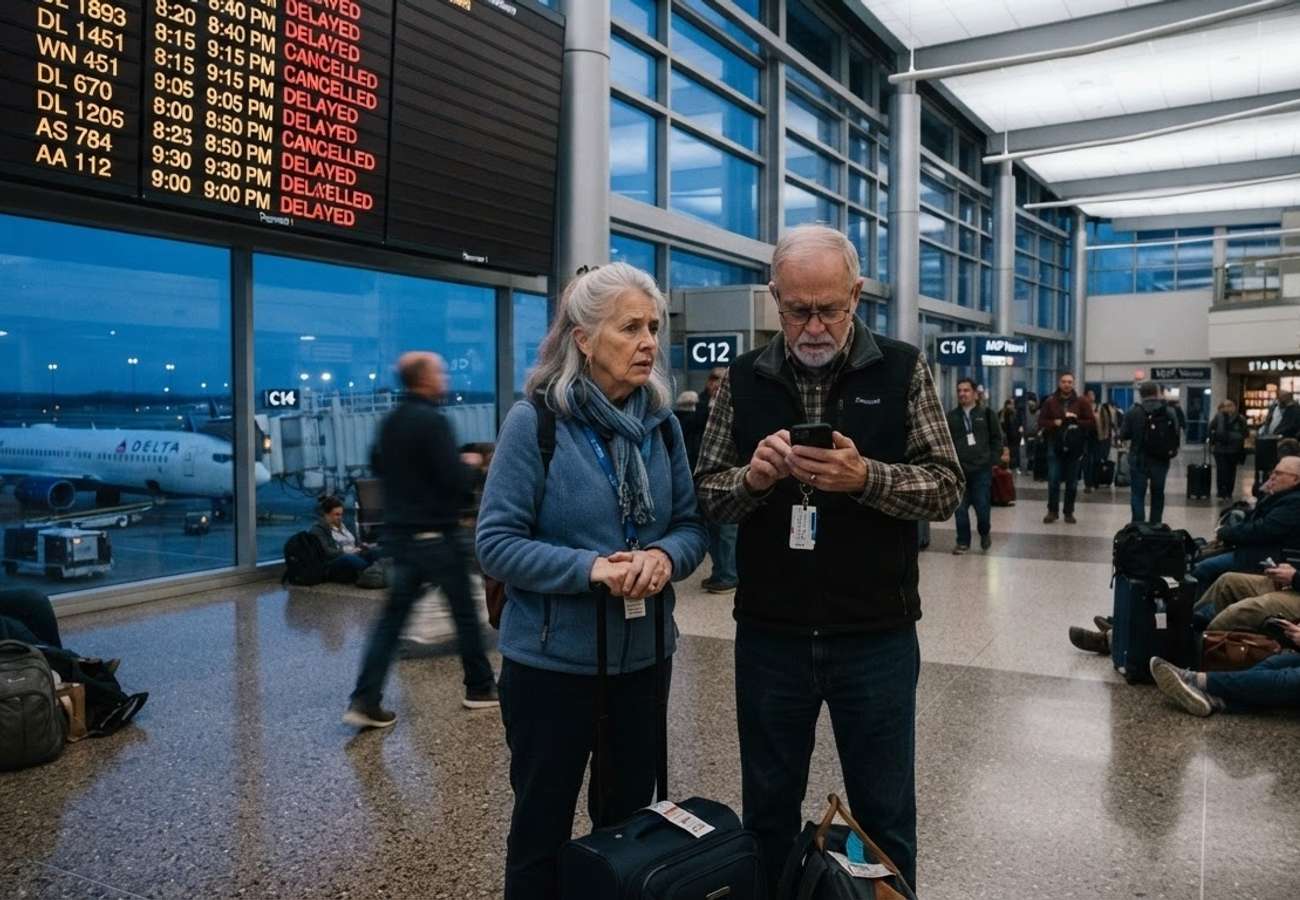
Image generated by AI
Delta Air Lines flight DL2733 experienced a mid-air operational disruption on July 5, 2026, forcing the aircraft to abort its journey to New York LaGuardia and return to its origin.
The incident involved a Boeing 737-900, registration N907DN, which departed from Minneapolis–Saint Paul International Airport (MSP) before declaring a need to return. The decision to execute an "air return" ensured the aircraft landed at a primary Delta hub where full maintenance and passenger support infrastructure were available.
Operational Timeline and Flight Data
The flight was scheduled to connect the Minneapolis hub with New York LaGuardia (LGA). Despite an early departure, the aircraft was unable to complete the route.
- Flight Number: DL2733 (DAL2733)
- Aircraft Type: Boeing 737-900
- Registration: N907DN
- Departure Gate: Gate D4, MSP
- Scheduled Departure: 7:59 PM CDT
- Actual Departure: 7:52 PM CDT
- Actual Landing (Return): 10:37 PM CDT
- Scheduled Arrival (LGA): 11:43 PM local time
Logistics of the Turnback
Industry observers note that operational turnbacks are strategic safety decisions. By returning to MSP, Delta avoided a diversion to a secondary airport, which would have complicated passenger re-accommodation and aircraft servicing.
The return allowed the flight crew to leverage MSP's status as a major Delta hub. This provided immediate access to:
- Specialized Boeing 737-900 maintenance teams.
- Replacement aircraft for stranded passengers.
- Comprehensive ground support and passenger service facilities.
Flight Disruption Details
| Flight Metric | Data |
|---|---|
| Aircraft Model | Boeing 737-900 |
| Tail Number | N907DN |
| Origin | Minneapolis–Saint Paul (MSP) |
| Intended Destination | New York LaGuardia (LGA) |
| Return Time | 10:37 PM CDT |
| Departure Variance | -7 Minutes (Early) |
Why This Matters: Industry Implication
This incident highlights the critical role of "Hub Resilience" in modern aviation. When an aircraft suffers an operational failure, the distance from a primary hub dictates the severity of the passenger disruption.
Our analysis indicates that returning to a home base—rather than diverting to the nearest suitable airfield—is increasingly preferred by legacy carriers. This strategy minimizes "out-of-station" costs and reduces the logistical nightmare of transporting passengers and luggage from remote locations. For the airline, the cost of a return flight is offset by the efficiency of utilizing existing hub resources to resolve technical issues.
Forward Outlook
Passengers affected by the DL2733 disruption are advised to utilize Delta's mobile application for revised itineraries. Market trends suggest that as aircraft aging and operational pressures increase, the frequency of "operational turnbacks" may rise. Passengers should expect airlines to prioritize hub-returns to maintain network stability over diverting to non-hub airports.
Safety protocols remain the primary driver for these mid-flight decision-making processes.
Related Travel Guides
This article is for informational purposes. Flight routes, passenger regulations, visa rules, and transit advisories are subject to change by airlines and aviation authorities. Readers are advised to verify schedules and travel documentation with relevant carriers and border agencies before departure.
Related Stories

European Flight Security Alerts: Seven Aircraft Undergo Emergency Bomb Inspections Across Spain, Italy, and Poland

easyJet Launches Direct Liverpool to Reykjavik Flights: Inside the North West's New Winter Gateway to Iceland