
Delta Flight DAL2325 From New York Diverts to Huntsville Due to Atlanta Weather Pressures
Delta Air Lines Flight DAL2325, an Airbus A321-211 from Newark Liberty to Atlanta, diverted to Huntsville International Airport on August 4, 2026, amid regional thunderstorm warnings.

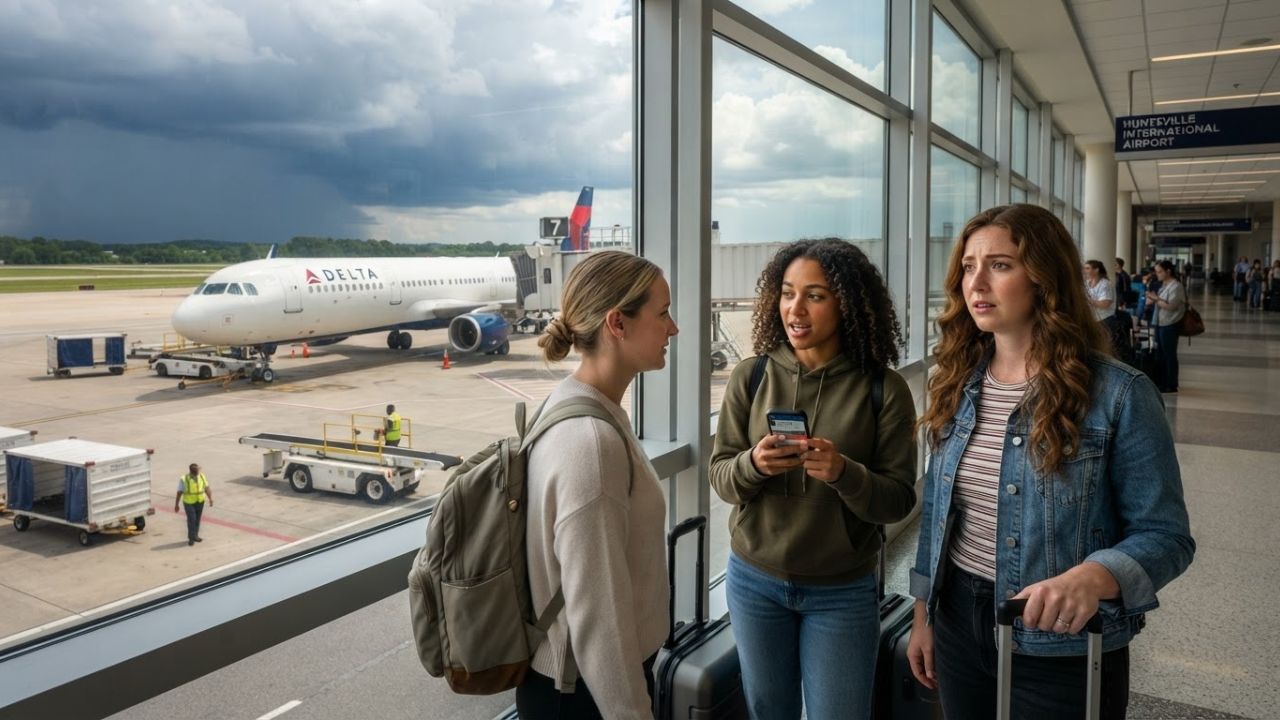
Image generated by AI
Delta Air Lines Flight DAL2325, an Airbus A321-211 traveling from New York Newark to Atlanta, was forced to divert to Huntsville International Airport on August 4, 2026. The route alteration, triggered by operational pressures and severe weather advisories around the destination hub, highlights the complex logistics of managing domestic flights during summer storms.
Route Alteration: Delta Flight DAL2325 Diverts to Alabama
A scheduled domestic service connecting the New York metropolitan area to the primary hub of the American South was interrupted on August 4, 2026, resulting in an unscheduled landing in Alabama. Delta Air Lines Flight DAL2325, operated with a narrow-body Airbus A321-211 registered as N342DN, departed from Newark Liberty International Airport at 10:30 a.m. and was scheduled to land at Hartsfield-Jackson Atlanta International Airport at 12:52 p.m.
Instead of completing the planned two-hour and 22-minute journey to Georgia, the flight crew changed course and guided the aircraft to Huntsville International Airport. The unexpected diversion turned a routine regional flight into a significant disruption for the passengers on board, filling the 212-seat aircraft capacity with travelers who faced delayed arrivals, missed appointments, and broken flight connections.
While flight tracking data records the safe landing at the alternate airport, the official flight logs did not immediately provide a detailed explanation for the change. In the absence of an immediate statement from the carrier, industry analysts point to regional weather conditions and air traffic delays as the most likely factors behind the operational decision. Flight records identify the service as DL2325, a daily schedule operated by Delta Air Lines. The Airbus A321-211 climbed to its standard cruising altitude and followed the designated airway south before air traffic control and flight dispatch coordinated the route alteration. The sudden turn toward Alabama occurred while the aircraft was operating in regional airspace, highlighting the dynamic nature of flight tracking and the speed with which crews must react to changing local conditions.
Operational Context: Analyzing the Atlanta Summer Thunderstorm Advisory
Although the specific cause of the diversion has not been confirmed, the regional weather forecast on August 4 provides important operational context. Hartsfield-Jackson Atlanta International Airport was experiencing morning showers and rising temperatures in the upper 80s Fahrenheit, conditions that frequently trigger sudden, severe convective storms in the late summer months.
To prepare for these seasonal weather patterns, Delta had issued an Atlanta Summer Thunderstorms advisory on July 29, warning passengers and flight crews that forecast storms could cause delays, route changes, and cancellations across the network. Summer storms complicate air traffic management because aircraft must actively avoid storm cells, alter flight paths, or enter holding patterns.
When multiple aircraft are forced to hold or fly longer routes, the resulting air traffic congestion can quickly exceed an airport's capacity. Under these conditions, air traffic control may restrict arrivals, prompting flight crews to divert to nearby regional facilities to conserve fuel and ensure passenger comfort rather than waiting in prolonged holding patterns.
Strategic Selection: Why Huntsville International Airport Offered the Best Alternative
Huntsville International Airport was a logical alternate destination for the Atlanta-bound Delta flight. The Alabama airport, operated by the Port of Huntsville, has a long-standing partnership with Delta Air Lines and features the necessary ground infrastructure to handle narrow-body aircraft like the Airbus A321-211.
During a flight diversion, selecting an airport with an established carrier presence is essential. Delta maintains year-round operations and dedicated ground crews at Huntsville, ensuring that diverted passengers can receive direct support, gate access, and baggage handling services. HSV also has regular regional connections to Atlanta, simplifying the task of re-routing passengers once conditions improve.
Choosing a well-equipped alternate airport also helps prevent the disruption from spreading to other hubs. By landing at a facility with existing ground support and maintenance teams, the carrier can manage the crew rotation, refuel the aircraft, and prepare for departure with minimal delay, preserving the overall efficiency of the network.
Safety Record: No Emergency Reported in Federal Aviation Administration Records
When reporting on flight diversions, it is important to separate precautionary operational decisions from serious onboard emergencies. Public records indicate that the diversion of DAL2325 was managed as a routine precautionary measure, with no reports of mechanical failures, medical emergencies, or safety incidents during the flight.
A review of the Federal Aviation Administration's daily database of accidents and incidents shows that Flight DL2325 was not listed among the occurrences for August 4, 2026. This confirms that the crew did not declare an emergency and that the aircraft landed at Huntsville under normal operating conditions.
precautionary diversions are a standard safety tool used by commercial airlines to manage weather, traffic, and fuel reserves. By choosing to land at Huntsville before fuel levels became a concern, the flight crew demonstrated the high safety standards required by the U.S. Department of Transportation, ensuring that the aircraft and its passengers remained safe throughout the journey.
Local Insider Guide: Managing Flight Diversions and Huntsville Layovers
To help you navigate unexpected flight disruptions and manage your travel comfort during regional weather delays, aviation consumer advocates recommend the following practical tips:
- Avoid Peak Summer Storm Windows: When planning travel through major southeastern hubs like Atlanta, try to schedule your trips outside the peak summer storm season of late July and August. Morning flights are also less likely to experience thunderstorm-related delays than afternoon departures.
- Know Your Passenger Rights: Under U.S. Department of Transportation guidelines, if your flight is diverted due to weather, the airline is generally not required to provide cash compensation, but they must assist with rebooking and re-routing. Keep your digital boarding passes and monitor your airline app for real-time gate and seat updates.
- Huntsville Transit Options: If you experience an extended delay or layover at Huntsville International Airport, support the local economy by dining at regional airport restaurants or browsing the shops. If your delay extends overnight, take a short taxi ride to visit the nearby U.S. Space & Rocket Center to explore the region's historic space heritage.
- Opt for Carbon-Offsetting: Because flight diversions and holding patterns increase fuel consumption, consider participating in your airline's carbon-offsetting program when booking domestic routes. These programs invest in regional forest conservation and renewable energy to help balance the environmental cost of air travel.
Tourism Outlook: The Network Impact of Atlanta Hub Disruptions
The long-term impact of flight diversions at major hubs like Hartsfield-Jackson Atlanta is a key focus for airline planners and regional tourism boards. Because Atlanta is the world's busiest airport and connects travelers to more than 300 global destinations, even a single diversion can cause a ripple effect across the domestic aviation network.
When an aircraft like the Airbus A321-211 is diverted, it can disrupt subsequent flight rotations, causing crew scheduling conflicts and delaying passenger connections at other airports. To mitigate these risks, airlines are investing in advanced weather forecasting and flight-planning software to predict storm patterns more accurately and minimize the need for diversions.
Ultimately, the resilience of the aviation sector depends on strong partnerships between major carriers and regional airports like Huntsville. By maintaining well-equipped alternate facilities and prioritizing passenger safety, the industry can manage summer weather challenges effectively, ensuring that travelers reach their destinations safely while supporting regional economic and environmental goals.
Related Travel Guides
Delta Air Lines Flight DAL2879 Boeing 737-800 Diverts Back to Atlanta from Chicago O'Hare in 2026
10 Most Common Flight Diversions at Huntsville Airport, According to Reddit
Disclaimer
This article is for informational and educational purposes only. It does not constitute legal, financial, or professional advice. While we strive to provide accurate and up-to-date information, travel policies, regulations, and conditions change rapidly. Always verify information with official sources before making travel decisions. Nomad Lawyer makes no representations about the accuracy, reliability, completeness, or suitability of the information provided. Readers should consult qualified professionals for advice specific to their circumstances. The views expressed in this article are those of the author and do not necessarily reflect the views of Nomad Lawyer.
Kunal K Choudhary
Co-Founder & Contributor
A passionate traveller and tech enthusiast. Kunal contributes to the vision and growth of Nomad Lawyer, bringing fresh perspectives and driving the community forward.
Learn more about our team →