
Deadly Hantavirus Cruise: MV Hondius Outbreak Forces Emergency Evacuations to Canary Islands
A deadly hantavirus cruise outbreak aboard MV Hondius has claimed three lives and forced emergency medical evacuations as the expedition ship diverts to the Canary Islands in 2026. International health authorities are tracking multiple confirmed cases.

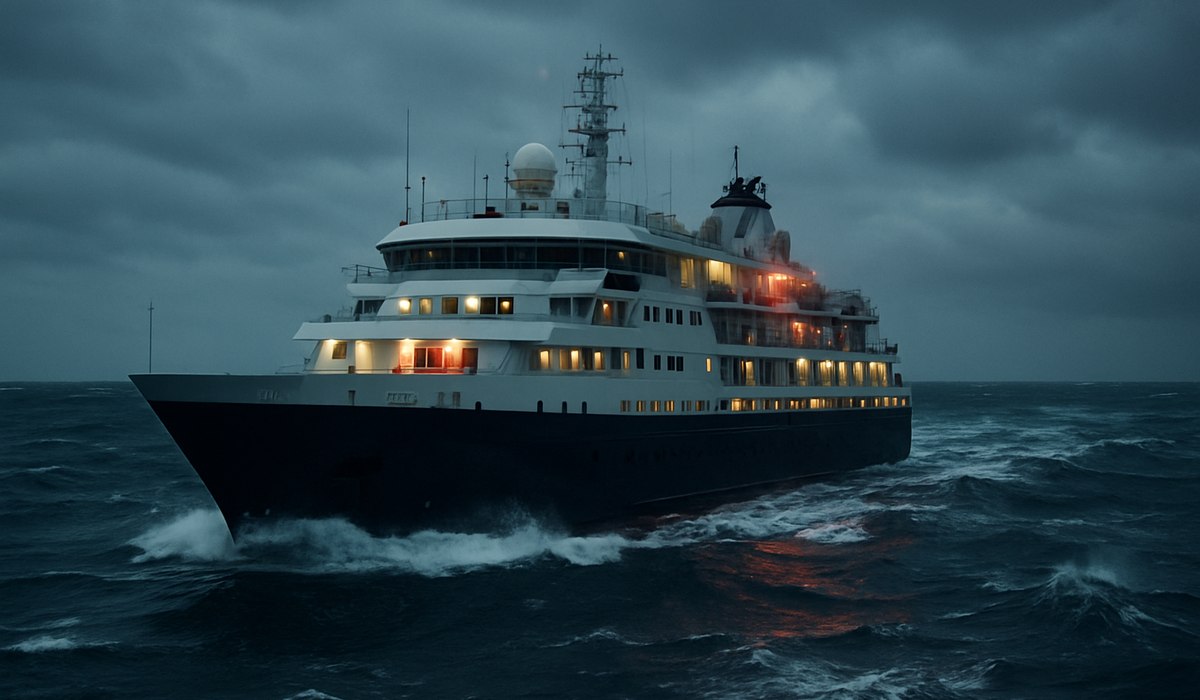
Image generated by AI
Rare Hantavirus Outbreak Claims Three Lives Aboard MV Hondius
The Dutch-flagged expedition cruise ship MV Hondius is now at the center of an unprecedented public health crisis after a deadly hantavirus outbreak claimed three passenger lives and forced emergency medical evacuations during an Atlantic crossing toward the Canary Islands. The incident marks one of the most serious disease outbreaks aboard a cruise vessel in recent years, with international health authorities now actively tracking confirmed and suspected cases across multiple countries. Nearly 150 passengers and crew from over 20 nations remain directly affected by the deadly hantavirus cruise situation, which originated during an expedition voyage beginning in April 2026 from Ushuaia, Argentina.
Outbreak Timeline: From Antarctica to Atlantic Crossing
The deadly hantavirus cruise crisis began quietly during the MV Hondius's Antarctic and South Atlantic expedition phase. The first confirmed fatality occurred on April 11, 2026, when an elderly Dutch passenger fell critically ill while the ship traversed remote South Atlantic waters. The passenger subsequently died aboard the vessel, though hantavirus confirmation came later through subsequent testing.
A second death was reported weeks later in South Africa after the patient's medical evacuation from the ship. The deceased passenger's spouse, who had also traveled aboard the MV Hondius, succumbed to hantavirus infection following examination ashore. By early May, a third passenger death linked to the deadly hantavirus cruise was confirmed, establishing a clear infectious disease pattern.
Additional passengers and at least one crew member exhibited symptoms consistent with acute hantavirus respiratory distress by late April. The situation intensified when the MV Hondius approached Cape Verde, where port authorities denied docking permission pending outbreak investigation. The World Health Organization and national health authorities across Europe and Africa began coordinating response efforts.
Health Response and Isolation Protocols
Shipboard containment measures were implemented immediately upon confirmation of hantavirus cases aboard the deadly hantavirus cruise. Medical personnel established isolation protocols, cordoning off affected passenger cabins and restricting access to shared dining and recreation areas. Meals were delivered to isolated cabins while protective equipment was deployed throughout the vessel.
The cruise operator, Oceanwide Expeditions, coordinated with Dutch and Spanish authorities to arrange emergency medical evacuations. A critically ill British passenger was evacuated to South Africa early in the outbreak sequence. Subsequently, three additional patients—including the ship's doctor—were airlifted to the Netherlands for specialized infectious disease treatment following coordination between Dutch and Spanish health agencies.
As of May 6, 2026, at least eight people linked to the deadly hantavirus cruise are classified as confirmed or suspected cases. This includes three confirmed fatalities, one patient in critical condition, and others presenting with milder symptoms. Additional cases emerged among passengers who had already disembarked at earlier ports, complicating the epidemiological picture considerably.
International Health Authority Tracking
The World Health Organization activated international surveillance protocols to track the deadly hantavirus cruise outbreak across multiple jurisdictions. Cases have been identified in the Netherlands, Spain, South Africa, and the United Kingdom, requiring coordinated response mechanisms between European and African health systems.
Spain's government authorized the MV Hondius to proceed to the Canary Islands, positioning Tenerife as a central medical screening and quarantine hub. Spanish health officials established a comprehensive disembarkation protocol requiring all passengers and crew to undergo hantavirus testing and medical examination. Those presenting infection symptoms face isolation and hospital care, while cleared passengers await repatriation coordination through their home nations.
The decision to accept the deadly hantavirus cruise vessel in the Canary Islands generated regional debate, with some local officials questioning the public health wisdom of docking a ship with confirmed deaths and apparent human-to-human transmission capacity. National authorities countered that proper quarantine and medical infrastructure justified the risk mitigation strategy.
Cruise Itinerary at a Glance
| Itinerary Component | Details |
|---|---|
| Ship Name | MV Hondius (Dutch-flagged) |
| Operating Company | Oceanwide Expeditions |
| Departure Port | Ushuaia, Argentina |
| Departure Date | Early April 2026 |
| Planned Route | Antarctic Peninsula → South Atlantic Islands → Cape Verde → Canary Islands |
| Passenger Capacity | ~150 passengers + crew from 20+ countries |
| Voyage Type | Expedition-style polar wildlife cruise |
| Diversion Port | Tenerife, Canary Islands (Spain) |
| Current Status | Medical screening and quarantine operations |
| Total Voyage Duration | Multi-week international expedition |
What Travelers Need to Know
The deadly hantavirus cruise outbreak carries critical implications for ocean travelers and expedition cruise passengers worldwide. Hantavirus transmission aboard ships represents an exceptionally rare event, yet this 2026 incident demonstrates that infectious disease risks persist even on premium expedition vessels.
Key traveler considerations include:
-
Pre-cruise health screening: Request detailed health questionnaires and vaccination requirements from cruise operators before booking expedition voyages.
-
Cabin ventilation verification: Confirm that your cruise ship features modern HEPA filtration and independent cabin air handling systems designed for infectious disease containment.
-
Medical evacuation insurance: Secure comprehensive travel insurance covering emergency medical evacuation to specialized facilities, particularly for remote expedition cruises.
-
Outbreak monitoring: Check Cruise Critic and WHO travel health alerts before embarking on any cruise during periods of reported infectious disease activity.
-
Crew training documentation: Ask your cruise line about staff training in isolation protocols and infectious disease response procedures.
-
Disembarkation flexibility: Maintain flexible travel plans accommodating potential port diversions or quarantine requirements during expedition cruises to remote regions.
FAQ
What is hantavirus and how does it spread aboard ships? Hantavirus is a rare rodent-borne pathogen typically transmitted through contaminated rodent excreta. Shipboard transmission is exceptionally unusual but can occur in confined environments with poor ventilation or rodent infestation. Person-to-person transmission remains possible in rare cases involving close contact with bodily fluids.
How many people have died in the deadly hantavirus cruise outbreak? Three passengers have confirmed deaths linked to the MV Hondius outbreak as of May 2026. An additional patient remains in critical condition, with eight total confirmed or suspected cases identified among passengers and crew members.
Will my cruise be affected by this outbreak? Current deadly hantavirus cruise cases involve only the MV Hondius. However, all Oceanwide Expeditions vessels should implement enhanced health screening protocols. Check with your cruise operator about any temporary operational modifications or additional safety measures.
Should I cancel my expedition cruise booking? Expedition cruises remain statistically safe when operators maintain rigorous health protocols. Consult your travel insurance provider and cruise operator about current safety procedures. The deadly hantavirus cruise outbreak is exceptionally rare and should not deter travelers from properly vetted expedition experiences.
Related Travel Guides
- Travel Canadian Tourism: Border Crossings Face New Rules Amid Tariff Crisis
- Latvia airBaltic Airbus A220 Destroyed: First Hull Loss After Ground Fire
- Face Travel Passengers as Chicago O'Hare Collapses Under Operational Crisis
Disclaimer
This article synthesizes information from multiple public health authorities, cruise industry reports, and international media coverage of the May 2026 MV Hondius hantavirus outbreak. Information is accurate as of the publication date but remains subject to updates from official health agencies. For current outbreak status
Disclaimer
This article is for informational and educational purposes only. It does not constitute legal, financial, or professional advice. While we strive to provide accurate and up-to-date information, travel policies, regulations, and conditions change rapidly. Always verify information with official sources before making travel decisions. Nomad Lawyer makes no representations about the accuracy, reliability, completeness, or suitability of the information provided. Readers should consult qualified professionals for advice specific to their circumstances. The views expressed in this article are those of the author and do not necessarily reflect the views of Nomad Lawyer.
Kunal K Choudhary
Co-Founder & Contributor
A passionate traveller and tech enthusiast. Kunal contributes to the vision and growth of Nomad Lawyer, bringing fresh perspectives and driving the community forward.
Learn more about our team →