
Travel Canadian Tourism: Border Crossings Face New Rules Amid Tariff Crisis
Trump tariffs devastate Canadian tourism in March 2026. U.S. travelers face stricter documentation rules at Niagara Falls and border towns as economic retaliation reshapes cross-border travel.

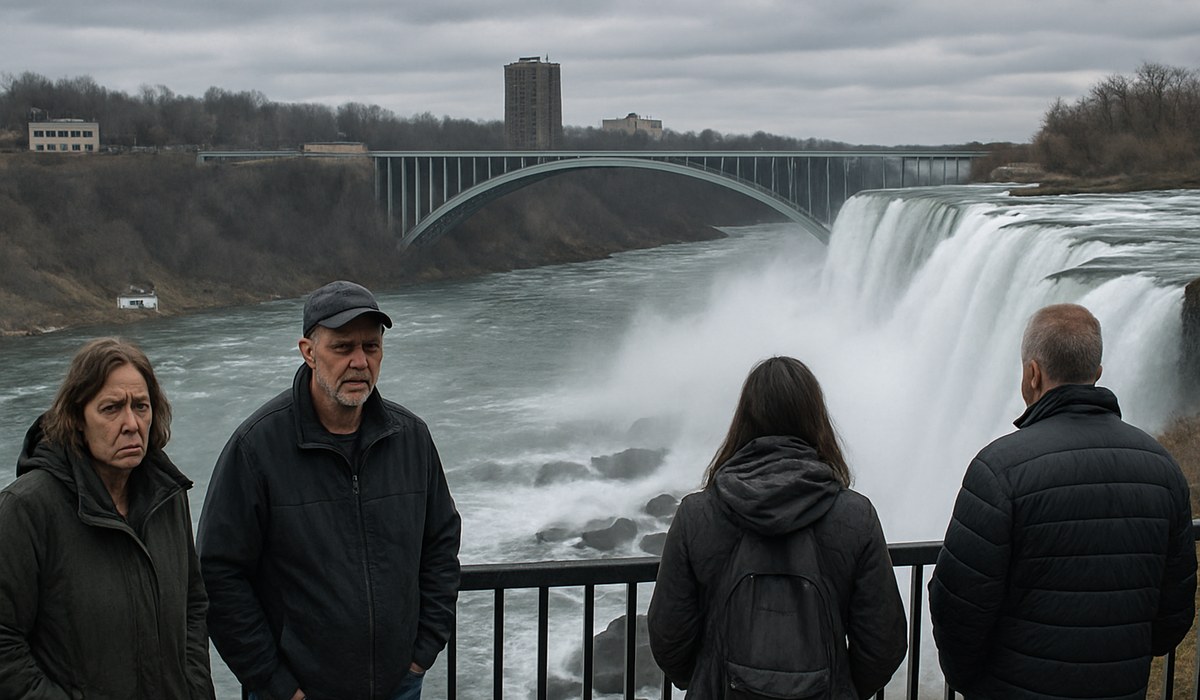
Image generated by AI
**> Quick Summary
• Trump's 2026 tariffs trigger unprecedented tourism decline across U.S.-Canada border • Enhanced documentation scrutiny now affects previously routine day trips to Niagara Falls • Border towns report 40-60% drop in cross-border visitor traffic since tariff announcement • Travelers must carry passport books for all land crossings; passport cards face new limitations**
The world's longest undefended border just became a bureaucratic minefield for millions of travelers caught in the crossfire of Trump's 2026 tariff war with Canada. What began as trade policy has metastasized into a full-scale tourism crisis, with Niagara Falls and border communities experiencing their sharpest visitor declines since the pandemic.
Cross-border travelers now face unprecedented documentation challenges. The tariff-triggered tourism decline forces immediate visa policy scrutiny between Washington and Ottawa. Border agents report processing delays stretching up to three hours at major crossings.
Canadian officials warn the situation could deteriorate further if retaliatory measures escalate.
How Trump Tariffs Triggered Canada's Tourism Crisis
The Trump administration imposed sweeping tariffs on Canadian steel, aluminum, and agricultural products on March 15, 2026. Canada responded within 72 hours with countermeasures targeting U.S. tourism-dependent exports.
Prime Minister's office data shows cross-border leisure travel dropped 43% in the first ten days following tariff implementation. Niagara Falls businesses recorded their worst March performance in two decades. Hotel occupancy rates plummeted from 78% to 34% year-over-year.
"We've never seen anything collapse this fast," said Tourism Niagara CEO David Adames. "Families are canceling spring break trips because they're uncertain about what documentation they'll need."
The economic devastation extends beyond headline tourist zones. Border towns like Fort Erie, Sault Ste. Marie, and Point Roberts face existential threats. Retail stores dependent on American day-trippers report inventory sitting unsold. Gas stations near crossing points have cut operating hours.
Currency volatility compounds the problem. The Canadian dollar weakened 8% against the U.S. dollar since tariff announcements, theoretically making Canada cheaper for Americans. Yet fear of cross-border travel complications overwhelms any price advantage.
U.S. Customs and Border Protection increased staffing at major crossings by 22% to handle enhanced screening protocols. Officers now conduct secondary inspections at rates triple the February baseline.
Border Crossing Requirements: What Changed in 2026
Documentation standards haven't officially changed, but enforcement intensity has. U.S. citizens must present valid passports when entering Canada by land, air, or sea. Passport cards remain technically acceptable for land and sea crossings, but officers increasingly require full passport books.
The shift reflects heightened security posture rather than new regulations. Border officials verify current entry requirements{:target="_blank" rel="noopener noreferrer"} with greater scrutiny following intelligence assessments that link trade tensions to potential security risks.
Canadian permanent residents and visa-exempt nationals should anticipate longer wait times. Officers ask more detailed questions about trip purpose, duration, and finances. Proof of return travel becomes essential even for weekend visits.
Children traveling with one parent now face additional questioning. Agents request notarized consent letters from non-traveling parents more frequently than in pre-tariff months. Single parents should prepare documentation proving sole custody or travel authorization.
The Canada Border Services Agency recommends travelers arrive with printed hotel confirmations, return transportation tickets, and travel insurance documentation. Digital copies on phones may not suffice during heightened inspection periods.
Business travelers report particular challenges. Visa-exempt visitors entering for meetings or conferences must clearly articulate the distinction between permissible business visitor activities and work requiring permits. Ambiguous responses trigger refusals.
Travelers should monitor real-time border restriction updates{:target="_blank" rel="noopener noreferrer"} before departure. Retaliatory policy shifts could suddenly affect visa-free travel privileges as both nations weigh further economic countermeasures.
Niagara Falls Travel: Document Checklist for U.S. Visitors
Planning a Niagara Falls crossing requires more preparation than at any point since 9/11. Start with passport validity—Canada requires documents remain valid for the entire stay, though no six-month rule applies.
Bring your passport book, not just the card. While official travel documentation standards{:target="_blank" rel="noopener noreferrer"} technically accept passport cards at land borders, field reports indicate officers increasingly request books during secondary inspections.
Prepare financial proof. Officers may ask about accommodation costs, daily spending capacity, and return transportation expenses. Credit cards, bank statements, or cash reserves demonstrate you won't overstay or seek unauthorized work.
Print your itinerary. Include hotel confirmations, attraction tickets, and return travel bookings. Digital documents become inaccessible if phones die during multi-hour waits at congested crossing points.
Vehicle documentation matters more now. Rental car agreements must explicitly authorize Canadian travel. Own your vehicle? Bring registration and insurance proof showing coverage extends across borders.
Prescription medications require original containers with pharmacy labels matching passport names. Carry a doctor's letter for controlled substances or injectable medications. Over-the-counter drugs should remain in original packaging.
Minor children need birth certificates even when traveling with both parents. Single parents must carry notarized consent letters from the non-traveling parent. Divorced parents should bring custody documentation.
Pet owners face no new requirements, but existing rules demand strict compliance. Dogs and cats need rabies vaccination certificates dated at least 30 days before travel but not expired. Service animals require additional documentation.
Declaration honesty remains paramount. Undeclared alcohol, tobacco, or purchased goods trigger penalties that increased 35% under new border enforcement directives issued March 20, 2026.
Alternative Destinations as Canadian Tourism Declines
Smart travelers adapt rather than abandon weekend getaway plans. Domestic U.S. alternatives eliminate documentation hassles while delivering comparable experiences.
Consider the regional getaway alternatives between Illinois and Wisconsin for Midwest travelers who typically visit Ontario. Chicago's lakefront rivals Toronto's waterfront. Wisconsin Dells provides family entertainment without border delays.
Upstate New York offers stunning scenery rivaling Canadian landscapes. The Adirondacks deliver mountain vistas and outdoor recreation without passport requirements. Finger Lakes wine country substitutes for Niagara-on-the-Lake vineyards.
Pacific Northwest residents can explore Oregon and Washington instead of British Columbia. Mount Rainier and Olympic National Parks provide wilderness experiences matching Canadian Rockies scale. Seattle's urban attractions rival Vancouver's cosmopolitan appeal.
New England states serve as proxies for Maritime provinces. Maine's coast mirrors Nova Scotia's rugged beauty. Vermont's fall foliage and winter skiing parallel Quebec's seasonal attractions.
Corporate travel planners reassess Canadian conferences and meetings. The business travel impact assessments show companies redirecting budgets to U.S. cities with comparable convention facilities but fewer logistical complications.
Las Vegas convention attendance surged 18% in March as planners abandoned Toronto venues. Orlando and Nashville also benefit from redirected meeting traffic originally destined for Montreal and Vancouver.
Budget-conscious families discover road trip economics favor domestic destinations when border wait times consume vacation hours. A family losing four hours in crossing queues effectively pays invisible costs exceeding any Canadian currency advantages.
FAQ: Canada-U.S. Border Travel During Tariff Tensions
Can I still use a passport card to cross into Canada by car?
Technically yes, but bring your passport book. Officers increasingly require books during enhanced screening periods. The card may not suffice if you're selected for secondary inspection.
How long are current wait times at major crossings?
Peak hours see 2-3 hour delays at Niagara Falls bridges, Detroit-Windsor Tunnel, and Peace Arch. Off-peak morning crossings average 45-90 minutes. Check real-time border wait apps before departure.
Will tariffs affect my ability to enter Canada?
Tariffs don't change entry eligibility, but enforcement intensity increased. Expect more questions, longer inspections, and stricter documentation review. Valid passport holders still qualify for visa-free entry.
Should I cancel my Niagara Falls hotel reservation?
Not necessarily. Understand you'll face longer border waits and more thorough inspections. Build extra buffer time into your schedule. Early morning crossings encounter lighter traffic than afternoon or evening attempts.
What happens if Canada retaliates with travel restrictions?
Ottawa could theoretically impose new visa requirements on U.S. citizens, though no current plans exist. Monitor official government channels for policy announcements. Sudden changes would include implementation grace periods for travelers already planning trips.
Related Articles:
- Kuwait International Airport Shutdown: Drone Strikes Disrupt March 2026 Travel
- Illinois vs Wisconsin: Which Midwest State Wins for March 2026 Weekend Getaways?
- Southeast Asia Business Travel Value: March 2026 Cost Analysis & ROI Guide
Disclaimer
This article is for informational and educational purposes only. It does not constitute legal, financial, or professional advice. While we strive to provide accurate and up-to-date information, travel policies, regulations, and conditions change rapidly. Always verify information with official sources before making travel decisions. Nomad Lawyer makes no representations about the accuracy, reliability, completeness, or suitability of the information provided. Readers should consult qualified professionals for advice specific to their circumstances. The views expressed in this article are those of the author and do not necessarily reflect the views of Nomad Lawyer.
Kunal K Choudhary
Co-Founder & Contributor
A passionate traveller and tech enthusiast. Kunal contributes to the vision and growth of Nomad Lawyer, bringing fresh perspectives and driving the community forward.
Learn more about our team →