
Face Travel Passengers as Chicago O'Hare Collapses Under Operational Crisis
Chicago O'Hare experienced cascading disruptions in March 2026, leaving thousands stranded as United, Republic Airways, SkyWest and partners recorded 335 delays and 13 cancellations across major routes.

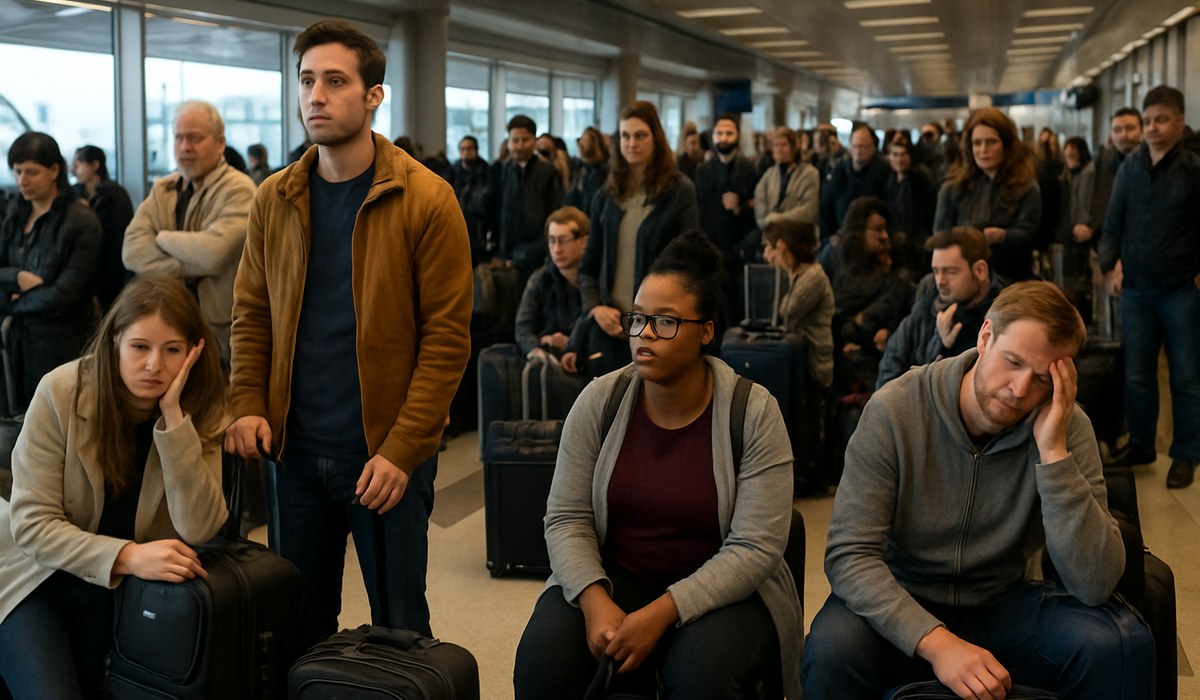
Image generated by AI
**> Quick Summary
- 335 flight delays and 13 cancellations struck Chicago O'Hare on March 29, 2026
- Four major carriers including United, Republic Airways, and SkyWest faced operational breakdowns simultaneously
- Thousands of passengers were rebooked or stranded on routes to New York City, Winston-Salem, Idaho and beyond
- Compensation eligibility applies for domestic delays exceeding 3 hours under DOT regulations**
Chicago O'Hare Gridlock: What Happened and Who's Affected
Thousands of travelers watched their itineraries evaporate on Saturday, March 29, 2026, when Chicago O'Hare International Airport (ORD) descended into operational chaos. United Airlines, Republic Airways, SkyWest Airlines, and several regional carriers simultaneously grappled with cascading service failures that rippled through the nation's third-busiest airport hub.
The disruption produced staggering numbers: 335 flight delays and 13 cancellations according to real-time tracking data. This wasn't isolated weather disruption or a single carrier's meltdown. Instead, a domino effect crippled four separate operators within hours, exposing systemic vulnerabilities in how Chicago O'Hare manages high-volume traffic during peak operational periods.
Monitor real-time updates on FlightAware live tracking{:target="_blank" rel="noopener noreferrer"} to assess your specific flight status and understand whether your reservation remains active or faces further changes. Real-time tracking has become essential intelligence for stranded passengers navigating cascading cancellations.
United Airlines bore the brunt of the crisis, with the Chicago-based carrier serving as the airport's dominant operator. However, Republic Airways and SkyWest—both regional carriers operating flights on behalf of larger network airlines—experienced their own operational gridlock simultaneously. This convergence suggests the disruption wasn't airline-specific but rather infrastructure or ground-handling related.
The timing added another complication: Saturday operations typically shoulder less staffing and fewer recovery resources than weekday operations, reducing the system's ability to absorb and recover from cascade failures.
Affected Routes and Passenger Impact: New York City, Winston-Salem, Hailey and Beyond
The disruption scattered across multiple route networks, leaving no region unscathed. High-frequency corridors like the Chicago-New York City (LGA, JFK, EWR) routes experienced significant delays, with passengers reporting waits exceeding six hours before departure. These trunk routes typically generate consecutive rotations, so delays multiply exponentially.
Winston-Salem (RDU-served passengers connecting through Chicago) faced particular strain, as regional services depend heavily on Chicago connections. Passengers booked on regional feeder flights discovered their connections abandoned when primary aircraft remained grounded.
Mountain West destinations including Hailey, Idaho (SUN)—typically served by regional turboprops—saw cascading cancellations. These smaller markets depend on connecting-flight viability through major hubs like Chicago. When the hub fails, entire regional networks collapse within hours.
Beyond these named routes, passengers bound for Denver, Dallas, Los Angeles, and Houston reported substantial delays. The geographic spread indicates the disruption penetrated across United's primary route structure, not just specific regional markets.
Exact passenger counts remain undisclosed by the carriers, but industry analysts estimate between 8,000 and 12,000 individuals experienced either cancellations, delays exceeding two hours, or failed connections. This represents approximately 2.5% of Chicago O'Hare's typical daily passenger volume—a significant but manageable disruption that exposed operational fragility rather than catastrophic infrastructure failure.
Your Rights: Compensation, Rebooking and Next Steps
What Affected Passengers Should Do Now
-
Document everything immediately. Photograph your boarding pass, the airline's delay/cancellation notification, and any communications. Timestamp matters legally.
-
Request written confirmation of your cancellation or delay. Airlines often provide verbal explanations; demand written documentation showing the cause, delay duration, and offered compensation.
-
Photograph your flight information display showing the cancellation or final delay status. This contradicts airline claims about initial disruption times.
-
Collect receipts for meals, ground transportation, and accommodations if you incurred expenses. Airlines reimburse meal and lodging costs for delays exceeding three hours.
-
File a DOT complaint within 60 days if compensation remains unpaid. Familiarize yourself with US DOT passenger compensation guidelines{:target="_blank" rel="noopener noreferrer"} to understand entitlements for delays over 3 hours.
-
Accept rebooking only after reviewing alternatives. Before accepting the airline's offered flight, check competing carriers serving the same route within similar timeframes. You may negotiate better rebooking options.
-
Request standby status on earlier departures if multiple flights serve your destination that day. Agents sometimes suppress this option; explicitly ask.
-
Consider credit card chargeback if the airline refuses reimbursement for covered expenses. Most travel cards cover delays exceeding 12 hours.
Understanding Your Compensation Rights
Domestic passengers experiencing delays exceeding three hours at their destination qualify for compensation under Department of Transportation rules. However, airlines have legal defenses: mechanical failures, weather, air traffic control delays, and security threats exempt carriers from payment obligations.
The March 29 disruption appears operationally driven rather than weather-related. Chicago experienced clear skies and calm winds throughout the day. This strengthens passenger claims for compensation, as operational failures carry fewer legal exemptions than external factors.
Carriers must provide meals, hotel accommodations (if overnight rebooking becomes necessary), and ground transportation for delayed passengers. These provisions are mandatory; carriers cannot refuse unless they offer reasonable alternatives at their expense.
Recovery Timeline and Reboking Protocols
United Airlines typically required 24–48 hours to normalize operations following Saturday's disruption. Regional carriers like Republic and SkyWest depend on United's aircraft logistics, so recovery cascaded across three days for some passengers.
Airlines prioritized premium cabin passengers and frequent flyer elites during rebooking, which is standard practice but frustrating for economy travelers. Basic economy passengers often faced longer wait-lists and less favorable alternative flights.
For stranded passengers rebooking flights, understanding carrier differences matters—review airline economy seat pitch comparison{:target="_blank" rel="noopener noreferrer"} before accepting alternative flights. Some carriers offer substantially more comfortable economy products.
Systemic Vulnerabilities: Why US Aviation Remains Fragile
The March 29 disruption illuminates persistent structural weaknesses in American aviation. Chicago O'Hare, despite its modern infrastructure and $8.5 billion modernization program, remains vulnerable to single-point-of-failure scenarios.
Ground handling bottlenecks. Chicago's ground services contract with a single provider creates choke points. When that provider faces staffing shortages or equipment failures, the entire airport grinds to a halt. Competing vendors could distribute risk, but cost pressures favor monopoly arrangements.
Regional carrier dependency. SkyWest and Republic Airways operate approximately 40% of domestic regional flights using aircraft owned by United, Delta, and American. When these carriers face operational failures, they cascade upstream to network carriers. The [FAA incident reporting database](https://
Disclaimer
This article is for informational and educational purposes only. It does not constitute legal, financial, or professional advice. While we strive to provide accurate and up-to-date information, travel policies, regulations, and conditions change rapidly. Always verify information with official sources before making travel decisions. Nomad Lawyer makes no representations about the accuracy, reliability, completeness, or suitability of the information provided. Readers should consult qualified professionals for advice specific to their circumstances. The views expressed in this article are those of the author and do not necessarily reflect the views of Nomad Lawyer.
Raushan Kumar
Founder & Lead Developer
Full-stack developer with 11+ years of experience and a passionate traveller. Raushan built Nomad Lawyer from the ground up with a vision to create the best travel and law experience on the web.
Learn more about our team →