
MV Hondius Hantavirus Alert 2026: Outbreak on South Atlantic Cruise Raises Health Concerns
A hantavirus outbreak aboard the luxury cruise ship MV Hondius has resulted in three fatalities and multiple infections, prompting port denials and a WHO investigation.

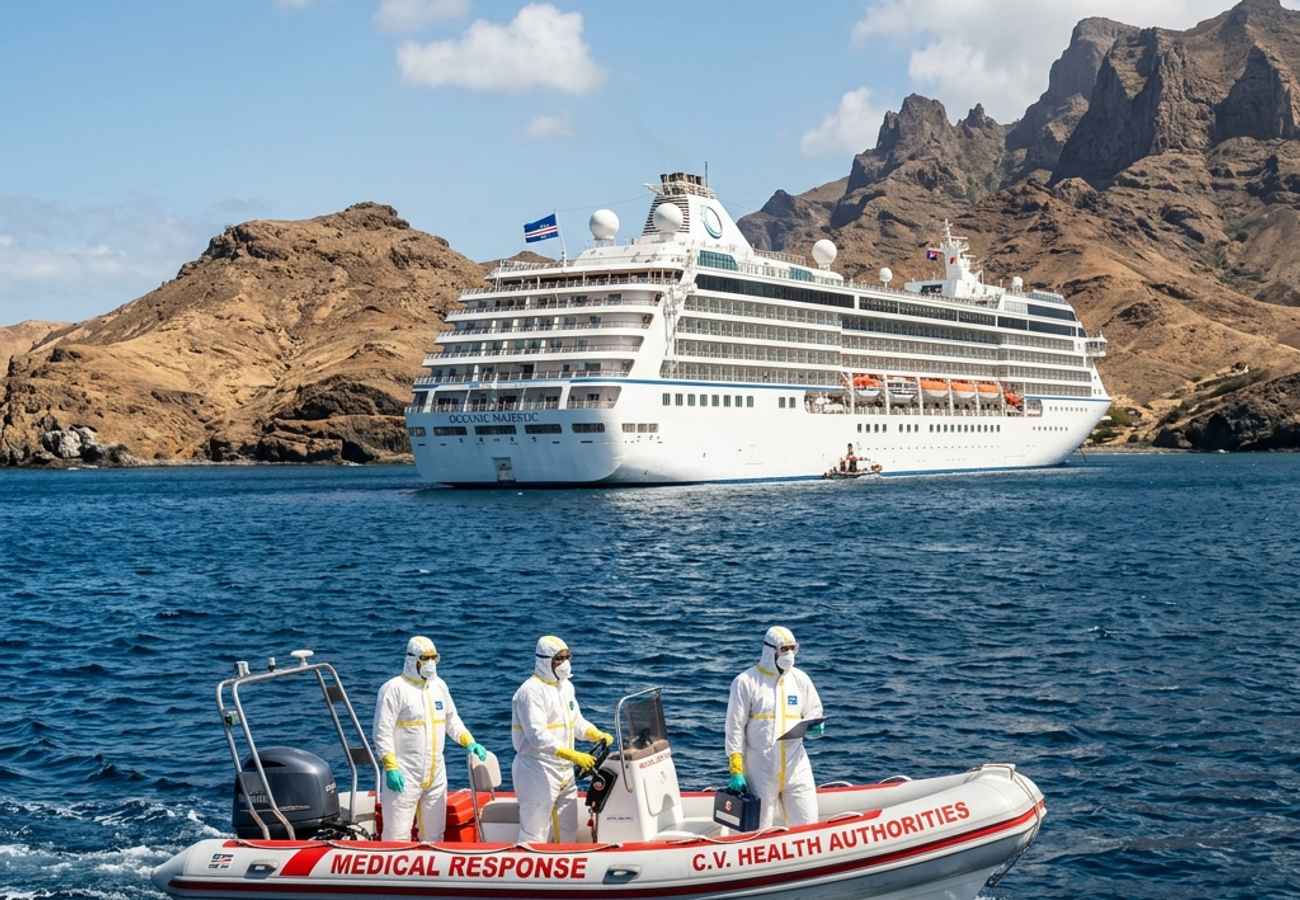
Image generated by AI
Quick Summary
- The Outbreak: A cluster of hantavirus cases has been identified aboard the Dutch-flagged expedition ship MV Hondius during a voyage across the South Atlantic.
- Casualties: As of early May 2026, three fatalities have been reported, with seven total cases (two confirmed and five suspected) among the 147 passengers and crew.
- Port Denial: Authorities in Cape Verde have refused to allow the vessel to dock, keeping the ship offshore for medical assessment and quarantine.
- WHO Investigation: The World Health Organization (WHO) is investigating the source of transmission, focusing on potential rodent exposure or rare human-to-human transmission in enclosed quarters.
The global cruise industry is on high alert following a rare and fatal hantavirus outbreak aboard the luxury expedition vessel MV Hondius. The ship, which departed from Argentina and was transiting toward West Africa, has become the center of a complex international health response. With fatalities recorded among European travelers and a critically ill passenger evacuated to South Africa, the incident underscores the unique health risks of extreme voyages and the critical importance of medical preparedness on the high seas. While broader air travel remains unaffected, cruise passengers are urged to monitor symptoms and verify their health insurance coverage.
MV Hondius Hantavirus Outbreak: Statistics and Health Metrics (May 2026)
The data reflects a localized but severe cluster that has prompted immediate international intervention.
| Metric | Data / Statistic | Significance |
|---|---|---|
| Vessel | MV Hondius (Dutch-flagged) | Luxury expedition cruise ship |
| Route | Argentina to Cape Verde | Remote South Atlantic transit |
| Total Onboard | 147 Passengers and Crew | Confined close-contact environment |
| Confirmed Cases | 2 Infections | Lab-verified hantavirus |
| Suspected Cases | 5 Infections | Displaying severe respiratory signs |
| Fatalities | 3 Passengers | High fatality rate (HPS profile) |
| Incubation | 1 to 8 Weeks | Delayed onset complicates diagnosis |
The MV Hondius Incident: Timeline and Fatalities
The outbreak was first identified in early May 2026 as several travelers developed severe respiratory distress. The fatalities include citizens from Europe, highlighting the international impact of the cluster. One critically ill individual was successfully evacuated to intensive care in South Africa, while the remaining passengers have been instructed to remain in their cabins. International health partners from the Netherlands and the United Kingdom are currently coordinating with the vessel’s operator to manage the medical crisis.
Understanding Hantavirus: Transmission and Risks
Hantaviruses are typically spread through contact with infected rodents or their waste.
- Aerosolized Transmission: Humans usually contract the virus by inhaling dust or particles contaminated with rodent urine, feces, or saliva.
- Environmental Exposure: While hantavirus is rarely found on cruise ships, investigators are examining if the virus was introduced at a remote port or if a passenger was exposed prior to boarding.
- Enclosed Spaces: The WHO is specifically looking for evidence of rare human-to-human transmission, which can be exacerbated by the recycled airflow and confined spaces of a marine vessel.
Symptoms to Watch: HPS and HFRS Indicators
Travelers should be aware of the two primary forms of the illness. The current outbreak appears to follow the Hantavirus Pulmonary Syndrome (HPS) profile, which is common in the Americas and has a higher mortality rate.
- Early Symptoms: Fever, muscle aches (especially in large muscle groups), fatigue, headache, and gastrointestinal distress (nausea/vomiting/diarrhea).
- Late Symptoms: Occurring 4-10 days after the initial phase, these include coughing, shortness of breath, and chest tightness as lungs fill with fluid.
- Action Required: Any traveler who has recently been on a cruise or in contact with rodent-rich environments and develops these signs should seek immediate medical attention.
Port Denials and Medical Evacuations
The government of Cape Verde has taken a firm stance by denying the MV Hondius entry to its ports, citing the need to protect the local population from a potential infectious disease spillover. Medical personnel from international agencies have boarded the ship offshore to provide care and conduct testing. As of now, air travel to Cape Verde and the nearby Canary Islands remains normal, with no health screenings required for standard airline passengers.
Cruise Planning: Insurance and Health Preparedness
For those planning cruises in late 2026, the MV Hondius outbreak highlights several critical preparation steps:
- Medical Evacuation Insurance: Ensure your travel insurance covers high-cost offshore evacuations and intensive care.
- Itinerary Awareness: Be aware of the medical infrastructure available at your ports of call, especially on expedition routes to remote areas.
- Reporting: Always report any sightings of rodents or unsanitary conditions in cabins to ship staff immediately.
FAQ: MV Hondius Hantavirus Alert 2026
Can hantavirus spread from person to person? While extremely rare, some strains in South America have shown a potential for human-to-human transmission. The WHO is currently investigating if this occurred on the MV Hondius.
Is it safe to fly to Cape Verde right now? Yes. The outbreak is confined to the MV Hondius, which is currently offshore and under quarantine. There are no restrictions on commercial air travel to Cape Verde.
How can I protect myself from hantavirus on a cruise? Maintain cleanliness in your living quarters and avoid contact with any wildlife or rodents during shore excursions in rural or remote areas.
Related Travel Guides
Disclaimer
This article is for informational and educational purposes only. It does not constitute legal, financial, or professional advice. While we strive to provide accurate and up-to-date information, travel policies, regulations, and conditions change rapidly. Always verify information with official sources before making travel decisions. Nomad Lawyer makes no representations about the accuracy, reliability, completeness, or suitability of the information provided. Readers should consult qualified professionals for advice specific to their circumstances. The views expressed in this article are those of the author and do not necessarily reflect the views of Nomad Lawyer.
Kunal K Choudhary
Co-Founder & Contributor
A passionate traveller and tech enthusiast. Kunal contributes to the vision and growth of Nomad Lawyer, bringing fresh perspectives and driving the community forward.
Learn more about our team →