
Deadly Hantavirus Cruise Outbreak Triggers Canary Islands Political Standoff
Nearly 150 passengers remain stranded aboard the Hondius expedition vessel as a deadly hantavirus cruise outbreak sparks a political standoff between Spain and the Canary Islands in 2026. Three confirmed deaths fuel transmission concerns.

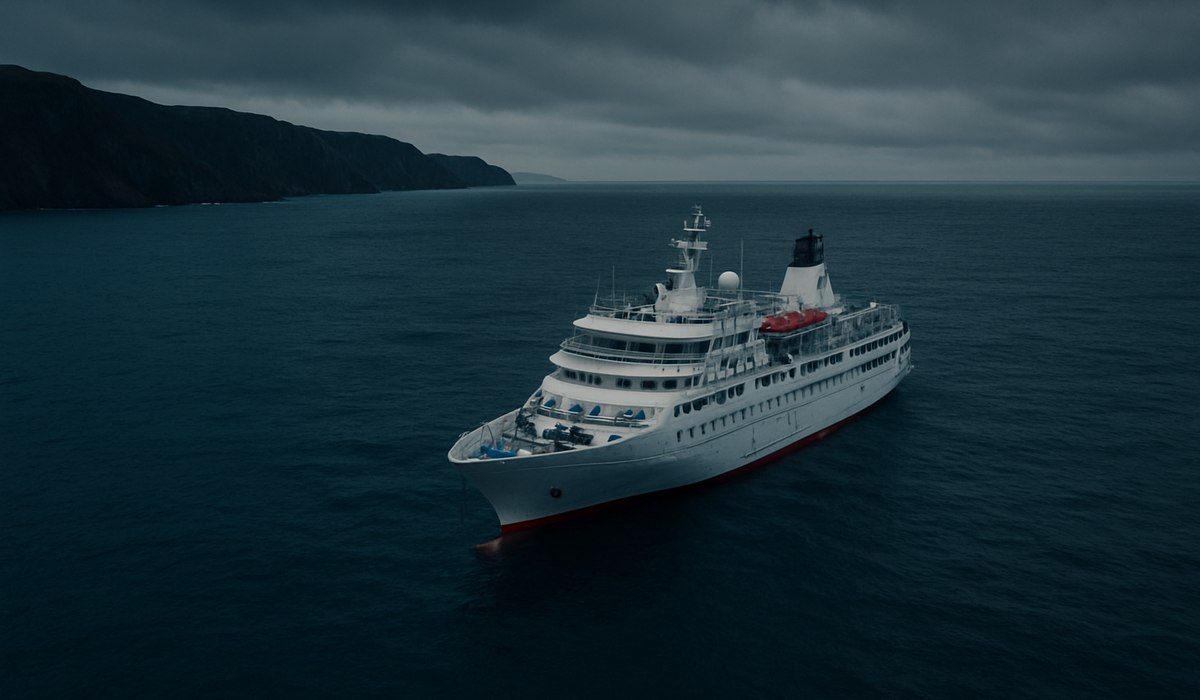
Image generated by AI
A Deadly Voyage Unfolds at Sea
The Hondius, a Dutch-flagged expedition cruise ship operated by Lindblad Expeditions, carries nearly 150 passengers and crew from over 20 nations in a crisis that has escalated from a single illness in Antarctic waters to a deadly hantavirus cruise outbreak claiming multiple lives. The vessel departed Ushuaia, Argentina, on April 1, 2026, for an ambitious itinerary covering Antarctica and remote South Atlantic islands before heading toward West Africa. What began as a routine expedition has transformed into an international health emergency, leaving passengers confined to cabins and sparking diplomatic tensions across the Atlantic.
The first confirmed fatality occurred on April 11 when an elderly Dutch passenger fell critically ill while the ship was at sea and subsequently died. His wife, who disembarked at the British territory of St. Helena, later succumbed to the virus on April 26 in Johannesburg after testing confirmed hantavirus infection. By early May 2026, at least three passengers—including a Dutch couple and a German national—had perished from virus-related complications. Additional cases emerged among crew members, raising alarms about possible human-to-human transmission of a pathogen traditionally associated with rodent exposure.
Outbreak Timeline: From Antarctica to Crisis
The deadly hantavirus cruise incident reveals a troubling progression from initial symptom onset to widespread concern. The voyage began with promise on April 1, but within days, passengers exhibited severe respiratory and cardiovascular symptoms consistent with hantavirus infection.
On April 11, the first passenger death occurred while the Hondius remained at sea in the South Atlantic. The ship continued its planned course while health officials monitored the situation remotely. By April 27, authorities evacuated a second critically ill passenger to South Africa, signaling the outbreak's severity. Testing subsequently identified hantavirus as the culprit, transforming a medical emergency into a public health crisis.
The situation deteriorated rapidly through early May. Regional health agencies, including those in South Africa and international bodies, began coordinating response efforts. By May 3, the Hondius reached waters near Cape Verde and anchored offshore as maritime authorities debated the next move. Passengers faced increasingly strict cabin confinement, meal service restrictions, and suspended recreational activities designed to minimize viral spread among the remaining healthy population.
Rising Death Toll and Transmission Concerns
The deadly hantavirus cruise outbreak has claimed multiple lives and sparked urgent transmission questions among epidemiologists. Traditional hantavirus cases occur through direct contact with infected rodent droppings or urine, making human-to-human spread rare. This outbreak's apparent cluster pattern has prompted World Health Organization specialists to investigate whether this particular viral strain exhibits enhanced interpersonal transmission capabilities.
The ship's own doctor—a British national providing care to ill passengers—contracted the virus despite following standard infection control protocols. His critical condition and hospitalization in the Canary Islands represents a significant concern for infectious disease experts. Medical staff typically receive rigorous training to prevent occupational exposure, suggesting either environmental contamination aboard the vessel or a virus with heightened transmission potential.
Despite these alarming indicators, WHO risk assessments continue rating the broader public threat as low. The confined shipboard setting, limited passenger numbers, and geographic isolation have contained the outbreak primarily to those aboard the Hondius. However, public health authorities acknowledge that increased vigilance and robust repatriation protocols remain essential to prevent mainland transmission.
Political Standoff Over Spanish Port Access
The deadly hantavirus cruise situation has exposed rare tensions between Spain's central government and its regional Canary Islands authorities over disease management and public safety. National authorities in Madrid signaled willingness to receive the Hondius at a Canary Islands port, facilitating passenger screening and repatriation under controlled medical supervision.
Regional Canary Islands leadership, however, publicly opposed the plan. Officials questioned why passengers deemed stable enough for transatlantic travel couldn't be directly evacuated by air from Cape Verde's international airport rather than disembarking in the archipelago. Regional statements emphasized protecting local health infrastructure and preserving tourism-dependent economies already vulnerable to travel disruptions.
This jurisdictional disagreement has left the Hondius in operational limbo. The vessel cannot proceed toward Spanish territory without cleared permissions, yet Cape Verde port authorities remain reluctant to host the outbreak-stricken ship. Passengers face indefinite confinement in cabins as diplomats negotiate logistics that should represent straightforward public health coordination. Media coverage from Al Jazeera, Euronews, and local Spanish outlets has highlighted this unusual political friction during an active disease emergency.
Current Situation and Health Response
As of early May 2026, the Hondius remains anchored off Cape Verde with approximately 150 souls aboard facing uncertain next steps. Remaining medical staff operate under remote guidance from shore-based specialists as the ship's primary physician underwent emergency evacuation. This structural healthcare challenge complicates ongoing outbreak management when passenger anxiety and information demands peak.
International health agencies including the WHO coordinate response efforts with Dutch maritime authorities and Spanish health ministries. Evacuation protocols continue for the most critically ill, though political disagreements over destination ports create logistical complications. Lindblad Expeditions has not publicly released comprehensive passenger updates, though some family members have shared experiences through media interviews describing cabin confinement and limited communication.
The deadly hantavirus cruise outbreak represents a convergence of maritime operations challenges, infectious disease management complexity, and diplomatic coordination failures. Passengers originating from over 20 nations complicate repatriation logistics, requiring multilateral cooperation that current political tensions have impeded. Health officials continue monitoring for additional cases while implementing shipboard isolation protocols intended to contain further transmission.
Cruise Itinerary at a Glance
| Itinerary Element | Details |
|---|---|
| Ship Name | Hondius (Dutch-flagged expedition vessel) |
| Cruise Line | Lindblad Expeditions |
| Departure Port | Ushuaia, Argentina |
| Departure Date | April 1, 2026 |
| Scheduled Destination | Antarctica, South Atlantic islands, West Africa |
| Passenger Capacity | Approximately 150 passengers and crew |
| International Representation | Over 20 nationalities aboard |
| Vessel Classification | Ice-strengthened expedition cruise ship |
| Booking Information | Visit Lindblad Expeditions official website |
| Industry Resources | Cruise Critic vessel profiles and reviews |
What This Means for Travelers
The deadly hantavirus cruise outbreak carries important implications for expedition cruise passengers and the broader travel industry:
-
Health screening protocols matter: Verify that your cruise line conducts thorough pre-boarding health assessments and maintains transparent communication during outbreaks. Request documentation of sanitation standards and medical staff qualifications before booking.
-
Expedition cruises carry unique risks: Remote Antarctic and South Atlantic itineraries offer extraordinary experiences but involve isolated settings where medical evacuation requires international coordination. Purchase comprehensive travel insurance covering evacuation and extended medical treatment.
-
Regional cooperation determines outcomes: Political disagreements between jurisdictions can complicate passenger repatriation during health emergencies. Research the political relationships between ports scheduled in your itinerary.
-
Cabin communication becomes critical: During outbreaks, reliable onboard internet and regular official updates prevent misinformation and passenger panic. Confirm connectivity options before embarking on expedition vessels.
-
Repatriation insurance is non-negotiable: Passengers stranded aboard disease-affected ships may face extended stays in unfamiliar jurisdictions. Medical evacuation insurance protecting against infectious disease scenarios proves invaluable.
FAQ
**What is hantavirus
Disclaimer
This article is for informational and educational purposes only. It does not constitute legal, financial, or professional advice. While we strive to provide accurate and up-to-date information, travel policies, regulations, and conditions change rapidly. Always verify information with official sources before making travel decisions. Nomad Lawyer makes no representations about the accuracy, reliability, completeness, or suitability of the information provided. Readers should consult qualified professionals for advice specific to their circumstances. The views expressed in this article are those of the author and do not necessarily reflect the views of Nomad Lawyer.
Preeti Gunjan
Contributor & Community Manager
A passionate traveller and community builder. Preeti helps grow the Nomad Lawyer community, fostering engagement and bringing the reader experience to life.
Learn more about our team →