
Cruise Ship Hantavirus Alert 2026: Argentina, Canada, and Europe Linked to Deadly Outbreak
A deadly hantavirus outbreak aboard the expedition vessel MV Hondius has triggered a global health alert, linking Argentina, Canada, Switzerland, and several European nations in a race to contain the rare Andes strain.

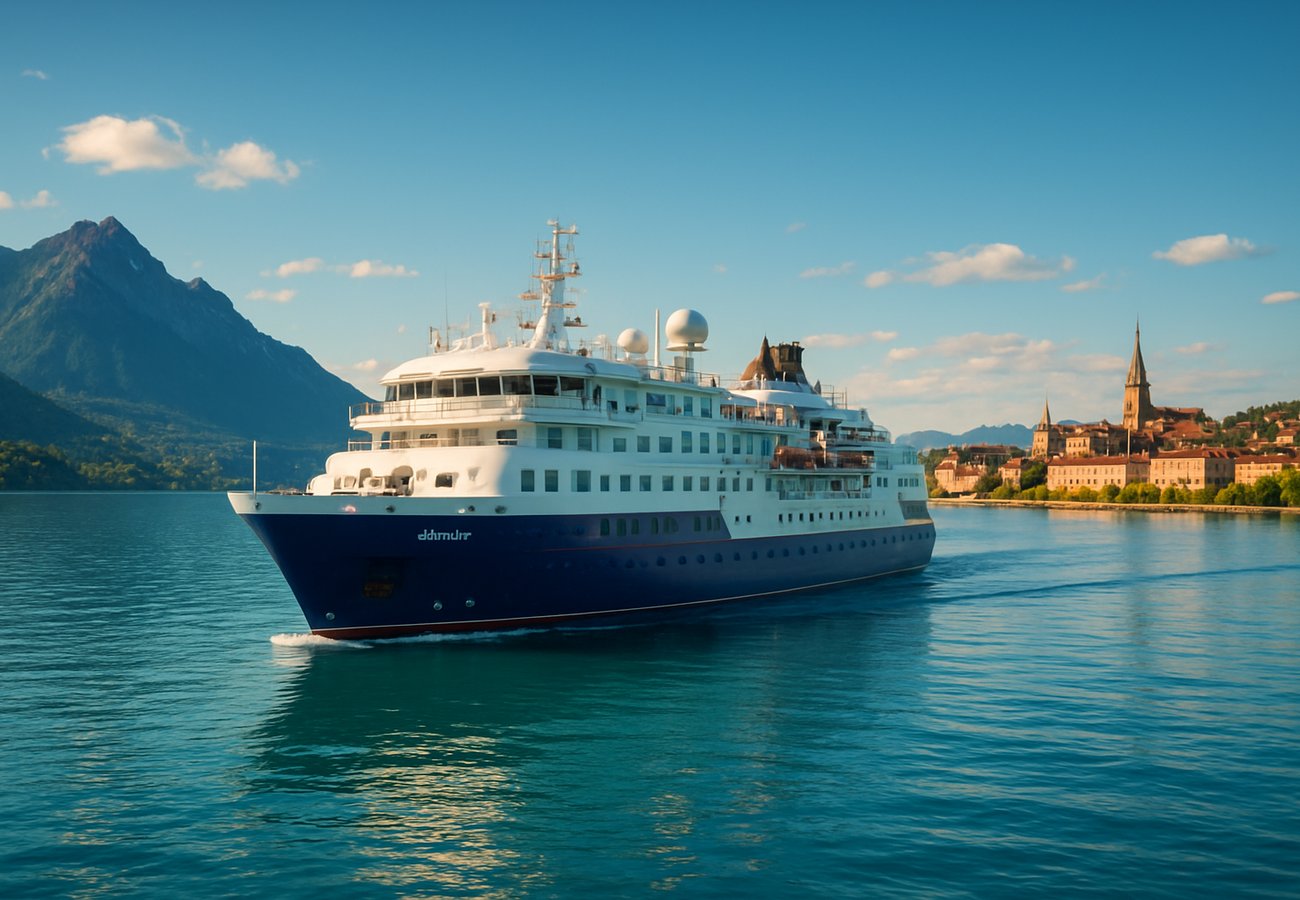
Image generated by AI
Quick Summary
- Active Emergency: A hantavirus outbreak linked to the MV Hondius expedition ship has been confirmed, with fatalities reported in the South Atlantic.
- Pathogen Alert: The Andes strain, suspected to have originated in Patagonia, Argentina, is causing alarm due to its rare potential for human-to-human transmission in confined spaces.
- Global Linkage: Nations including Canada, Switzerland, South Africa, the Netherlands, and Cape Verde are now implementing emergency passenger monitoring and quarantine protocols.
- Sector Impact: Expedition cruise tourism is facing intense scrutiny, with ports tightening controls and operators reassessing onboard isolation facilities.
- Traveler Warning: Passengers arriving from Antarctic or Patagonian routes are subject to heightened health screening and biosecurity checks at international airports.
The global cruise industry is confronting a significant health crisis in 2026 as a hantavirus outbreak aboard the MV Hondius has escalated into an international emergency. The rare Andes strain, traditionally confined to the wilderness of Argentina and Chile, has been linked to multiple deaths and suspected infections among international travelers. This development has forced governments across the Americas, Europe, and Asia to activate emergency monitoring systems, particularly for passengers returning from high-altitude or polar expedition routes. As Cape Verde and South Africa become critical medical response zones, the incident has exposed the logistical challenges of managing infectious disease outbreaks in remote maritime environments. Cruise operators are now under intense pressure to strengthen pre-boarding screening and onboard medical protocols to restore confidence in the high-growth adventure tourism sector.
Countries Linked to the 2026 Cruise Ship Hantavirus Crisis
The following table summarizes the roles of various nations currently responding to the hantavirus emergency.
| Country | Role in Outbreak / Response |
|---|---|
| Argentina | Suspected origin of Andes strain (Patagonia/Ushuaia) |
| Cape Verde | Current primary ship quarantine and response zone |
| South Africa | Laboratory confirmation and advanced medical treatment hub |
| Netherlands | Domicile of the primary cruise operator (Oceanwide Expeditions) |
| Germany | Fatalities reported among German passengers |
| Canada | Active passenger monitoring and contact tracing |
| Switzerland | Active passenger monitoring and contact tracing |
| United Kingdom | British passengers and crew under medical observation |
| Spain | Canary Islands preparing emergency docking response |
MV Hondius Hantavirus Outbreak: Case Metrics and Status May 2026
Detailed metrics for the current confirmed outbreak and general industry monitoring status.
| Vessel / Segment | Operator | Current Status | Confirmed Cases | Deaths | Affected Regions |
|---|---|---|---|---|---|
| MV Hondius | Oceanwide Expeditions | Active Outbreak | 2 | 3 | Argentina, Antarctica, Cape Verde |
| Antarctic Expeditions | Multiple Operators | Heightened Monitoring | 0 | 0 | Patagonia / Antarctica Routes |
| Global Cruise Fleet | Multiple Lines | General Travel Alert | 0 | 0 | Worldwide Ports |
The MV Hondius Emergency: A Catalyst for Global Cruise Panic
The outbreak has disrupted one of the most prestigious segments of maritime tourism:
- The Andes Strain: Unlike most hantaviruses, the Andes strain from South America is capable of human-to-human transmission, making the confined quarters of a cruise ship a high-risk environment.
- Operational Stalls: The MV Hondius faced significant delays as multiple ports initially hesitated to grant docking rights due to the infectious nature of the pathogen.
- Quarantine Measures: Passengers and crew remain under strict observation, with international health agencies coordinating rapid response efforts in Cape Verde.
Argentina and Patagonia: The Suspected Origin of the Andes Strain
Argentina is at the center of the investigation:
- Regional Hotspots: Health officials are monitoring Chubut and Ushuaia, where rodent populations are known carriers of the Andes virus.
- Expedition Gateway: As the primary jumping-off point for Antarctic voyages, Argentina’s ports are seeing increased health checks for all departing and arriving travelers.
- Tourism Impact: Wilderness resorts and eco-lodges in Patagonia are distributing updated safety guidance to tourists visiting isolated trekking zones.
Chile and Bolivia: Battling Rising Wilderness Exposure Risks
The risk extends across the South American wilderness:
- Chilean Forestry: Southern forest regions in Chile remain highly vulnerable, with hikers and eco-lodge visitors warned to avoid exposure to rodent waste.
- Bolivian Surveillance: Bolivia is increasing monitoring in agricultural and tropical regions where hantavirus infections frequently emerge.
- Insurance Review: Travel insurers are reportedly reassessing policies for remote South American expedition tourism following the cruise fatalities.
Global Reach: Monitoring Hotspots in the United States, China, and Europe
The crisis has triggered a worldwide chain reaction:
- United States: Authorities are on high alert, citing previous domestic HPS outbreaks in New Mexico and California as reasons for heightened vigilance at international airports.
- China: As a global hotspot for hantavirus-related hemorrhagic fever, China has strengthened traveler observation systems to prevent the importation of the Andes strain.
- Europe: Germany and Finland, which experience cyclical Puumala strain outbreaks, are focusing on rapid detection and contact tracing for returning cruise passengers.
Industry Impact: The Future of Expedition Cruise Safety and Biosecurity
The MV Hondius crisis is expected to lead to permanent changes in maritime policy:
- Medical Preparedness: Cruise lines are being urged to invest in advanced onboard isolation facilities and rapid diagnostic equipment.
- Pre-Boarding Screening: Future expeditions to wilderness regions may require more rigorous health disclosures and physical screenings for passengers.
- Emergency Protocols: The industry is seeking clearer international agreements on emergency docking rights for vessels facing infectious disease outbreaks.
FAQ: Cruise Hantavirus Emergency 2026
Can hantavirus spread between humans? While rare, the Andes strain found in South America is known to be capable of human-to-human transmission, particularly in close-contact environments like ships or shared cabins.
Should I cancel my Antarctic cruise? Travelers are advised to monitor the latest health alerts from the CDC and WHO. Ensure your travel insurance covers scheduled airline or cruise failure due to medical emergencies.
What are the symptoms of hantavirus? Early symptoms include fatigue, fever, and muscle aches, which can progress rapidly to severe respiratory distress (HPS). Immediate medical attention is required if symptoms appear after wilderness or rodent exposure.
Related Travel Guides
Disclaimer
This article is for informational and educational purposes only. It does not constitute legal, financial, or professional advice. While we strive to provide accurate and up-to-date information, travel policies, regulations, and conditions change rapidly. Always verify information with official sources before making travel decisions. Nomad Lawyer makes no representations about the accuracy, reliability, completeness, or suitability of the information provided. Readers should consult qualified professionals for advice specific to their circumstances. The views expressed in this article are those of the author and do not necessarily reflect the views of Nomad Lawyer.
Kunal K Choudhary
Co-Founder & Contributor
A passionate traveller and tech enthusiast. Kunal contributes to the vision and growth of Nomad Lawyer, bringing fresh perspectives and driving the community forward.
Learn more about our team →