
Curaçao Expands International Air Connectivity and Marine Infrastructure to Drive Record Stayover Tourism Growth Starting Late 2026
Curaçao records 788,427 stayover arrivals in 2025, representing a 13% increase as improved air connectivity and marine infrastructure drive Dutch Caribbean tourism.

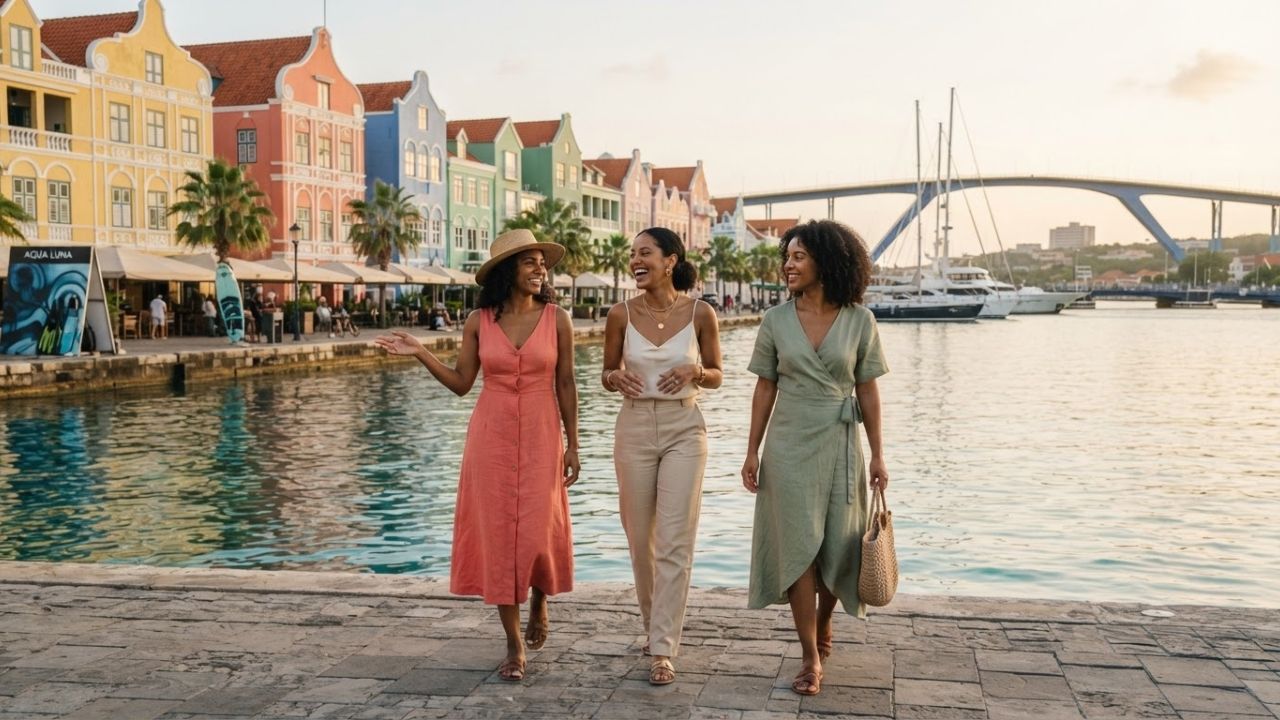
Image generated by AI
Curaçao recorded a milestone 788,427 stayover arrivals in 2025, representing a 13% year-on-year increase supported by expanded flight connections and harbor upgrades. This transit expansion is driving regional growth across the Dutch Caribbean islands of Curaçao, Aruba, and Bonaire.
Stayover arrivals in the southern Caribbean rose to 788,427 in 2025, marking a 13% annual surge that highlights the region's expanding infrastructure. Driving this Curaçao luxury travel growth, regional transit authorities and airlines are introducing direct flights and marine connectivity upgrades across the ABC islands of Curaçao, Aruba, and Bonaire. The transit upgrades allow international travelers to bypass traditional Caribbean hubs, establishing direct access to the UNESCO-listed capital of Willemstad, offshore dive sites, and premium coastal resorts.
The Core Transit Update
Curaçao is transforming its regional transit network by establishing direct air corridors with North America and Europe, while expanding harbor infrastructure to support larger cruise ships and private yachts. Situated outside the southern boundary of the Caribbean hurricane belt, the island is utilizing its geographical advantage to build a year-round travel network. Improved transport links are designed to cater to modern travelers who prioritize personalized itineraries, cultural discoveries, and outdoor adventures over traditional resort packages.
The regional development plan focuses on sustainable transit expansion that links international arrivals directly to local transport operators, boutique accommodations, and marine parks. By partnering with international airlines to increase flight frequencies, the Curaçao Tourist Board aims to maintain steady visitor volumes while minimizing travel times. The table below outlines how the destination is aligning its travel services with modern expectations:
| Luxury Travel Element | Curaçao Experience |
|---|---|
| Exclusive accommodation | Boutique hotels, luxury resorts and private stays |
| Natural beauty | Beaches, coastal landscapes and marine environments |
| Cultural discovery | Historic Willemstad and local traditions |
| Adventure | Diving, sailing, hiking and water activities |
| Culinary experiences | Caribbean, Latin and European-inspired cuisine |
Transit Schedule and Route Specifications
The three islands of the Dutch Caribbean—Curaçao, Aruba, and Bonaire—are coordinating their transit networks to offer multi-destination travel experiences. While each island maintains a distinct travel identity, the expansion of regional flights and ferry links allows visitors to travel between them easily.
| Destination | Main Tourism Identity |
|---|---|
| Curaçao | Culture, luxury stays, diving and heritage |
| Aruba | Resort experiences, beaches and entertainment |
| Bonaire | Marine conservation and diving |
In Curaçao, the primary cultural transit hub is the capital city of Willemstad, a UNESCO World Heritage Site. The city's transport network connects historic urban areas with remote coastal districts, allowing travelers to explore colonial architecture, local art districts, and waterfront markets.
| Willemstad Highlight | Experience |
|---|---|
| Handelskade waterfront | Iconic colourful buildings |
| Punda district | Shopping, art and historic streets |
| Otrobanda | Cultural neighbourhood experiences |
| Museums | Island history and heritage |
| Local restaurants | Authentic cuisine |
To support transport to the island's remote regions, local agencies operate regular shuttle buses and taxi services to Curaçao's major beaches, which are detailed in the table below:
| Beach Experience | Best For |
|---|---|
| Playa Kenepa | Scenic views and swimming |
| Cas Abao Beach | Relaxation and diving |
| Playa Lagun | Snorkelling and family experiences |
| Klein Curaçao | Private island-style escape |
| Mambo Beach | Entertainment and dining |
Additionally, marine transport operators provide access to the island's coastal waters, which feature over 70 dive sites. The table below lists the primary marine travel experiences available for international visitors:
| Marine Experience | Visitor Appeal |
|---|---|
| Reef diving | Explore underwater ecosystems |
| Snorkelling | Accessible marine adventures |
| Boat excursions | Discover offshore locations |
| Conservation activities | Responsible ocean tourism |
The steady expansion of these travel segments has supported positive growth in the local hospitality sector, as summarized below:
| Hospitality Trend | Tourism Impact |
|---|---|
| Luxury resorts | Attracts premium travellers |
| Boutique accommodation | Supports personalised experiences |
| Wellness offerings | Expands high-value tourism |
| Culinary experiences | Increases visitor spending |
To protect these natural resources during periods of high travel demand, environmental protection programs are integrated into all marine transport developments:
| Sustainability Area | Importance |
|---|---|
| Marine protection | Safeguards coral ecosystems |
| Responsible development | Protects landscapes |
| Community involvement | Supports local benefits |
| Sustainable tourism planning | Ensures long-term growth |
These sustainability measures are designed to meet the demands of modern travelers who seek meaningful, low-impact vacations:
| Traveller Expectation | Curaçao Advantage |
|---|---|
| Privacy | Quiet beaches and boutique stays |
| Adventure | Diving, sailing and exploration |
| Culture | Historic towns and traditions |
| Wellness | Relaxed island environment |
| Food experiences | Diverse culinary scene |
To maintain this growth, regional transit planners are focusing on strengthening direct flights with key international source markets:
| Market | Tourism Importance |
|---|---|
| United States | Growing luxury and leisure demand |
| Canada | Winter sun travellers |
| Netherlands | Historic visitor connection |
| Regional Caribbean | Multi-island travel opportunities |
Future transport plans emphasize maintaining high-quality services while expanding international connections:
| Development Focus | Expected Result |
|---|---|
| Premium tourism | Higher-value visitor experiences |
| Sustainable growth | Protection of natural assets |
| Cultural tourism | Stronger destination identity |
| New experiences | Longer visitor stays |
Traveler Logistics Guide
For travelers planning to visit Curaçao, securing flights through Hato International Airport (CUR) is the primary option. The airport is well connected to major hubs in the United States, Europe, and South America, allowing for convenient flight options. To ensure a smooth journey, travelers should plan for a minimum layover time of 90 to 120 minutes when connecting through regional Caribbean airports, which helps accommodate baggage transfers and security checks.
While Curaçao does not require a pre-arranged visa for short stays of 90 days or less for many nationalities, all international visitors must complete the digital Embarkation-Disembarkation (ED) card online at least 48 hours before departure. This digital entry system streamlines customs processing upon arrival, reducing terminal waiting times. Additionally, travelers planning to visit neighboring Aruba or Bonaire should verify individual entry requirements, as transit policies and environmental fees can vary between the islands.
For local transport, renting a car is the most reliable way to explore the island's diverse landscapes and remote beaches, such as Playa Kenepa or Cas Abao. Driving is on the right side of the road, and international driver's licenses are accepted. Alternatively, licensed taxi services operate from major hotels and Willemstad terminals, with rates regulated by the government, though verifying the fare before departure is recommended.
Infrastructure Impact Assessment
The expansion of air and marine connectivity is transforming Curaçao's regional transit network, turning the island into a key hub for southern Caribbean travel. By establishing direct routes with North America and Europe, the island reduces its dependency on traditional transit hubs, lowering travel costs and times for international visitors. This improved accessibility has supported a 13% increase in stayover arrivals, directly benefiting hotels, restaurants, and local tour operators.
Furthermore, harbor upgrades in Willemstad allow the destination to handle modern, environmentally sensitive cruise liners and private yachts, increasing maritime tourism without putting excessive pressure on the urban environment. The revenue generated from these port upgrades helps fund local transport improvements, including road maintenance and public transit extensions.
By distributing travel traffic across the island's 35 beaches and 70 dive sites, the transit network prevents overcrowding in sensitive marine ecosystems. This balanced approach supports long-term economic growth while protecting the coral reefs and historic architecture that attract travelers to the Dutch Caribbean.
Related Travel Guides
- Maldives Tourism Revenue Surges as European Arrivals Exceed 510,000 Led by Russian Inbound Travel: New Travel Alert
- Honduras Tourism Revenue Surges as First-Half International Arrivals Reach Record 1.8 Million: New Travel Alert
- Brazil and Colombia Extended Stays Fuel South American Tourism Currency Surge: New Travel Alert
Disclaimer
This article is for informational and educational purposes only. It does not constitute legal, financial, or professional advice. While we strive to provide accurate and up-to-date information, travel policies, regulations, and conditions change rapidly. Always verify information with official sources before making travel decisions. Nomad Lawyer makes no representations about the accuracy, reliability, completeness, or suitability of the information provided. Readers should consult qualified professionals for advice specific to their circumstances. The views expressed in this article are those of the author and do not necessarily reflect the views of Nomad Lawyer.
Raushan Kumar
Founder & Lead Developer
Full-stack developer with 11+ years of experience and a passionate traveller. Raushan built Nomad Lawyer from the ground up with a vision to create the best travel and law experience on the web.
Learn more about our team →