
Cuba Tourism Crisis 2026: Visitor Arrivals Plummet Amid Hotel Closures
Cuba's tourism sector faces a severe downturn in 2026 with only 419,863 visitors from January to July and massive withdrawals by international hotel chains.
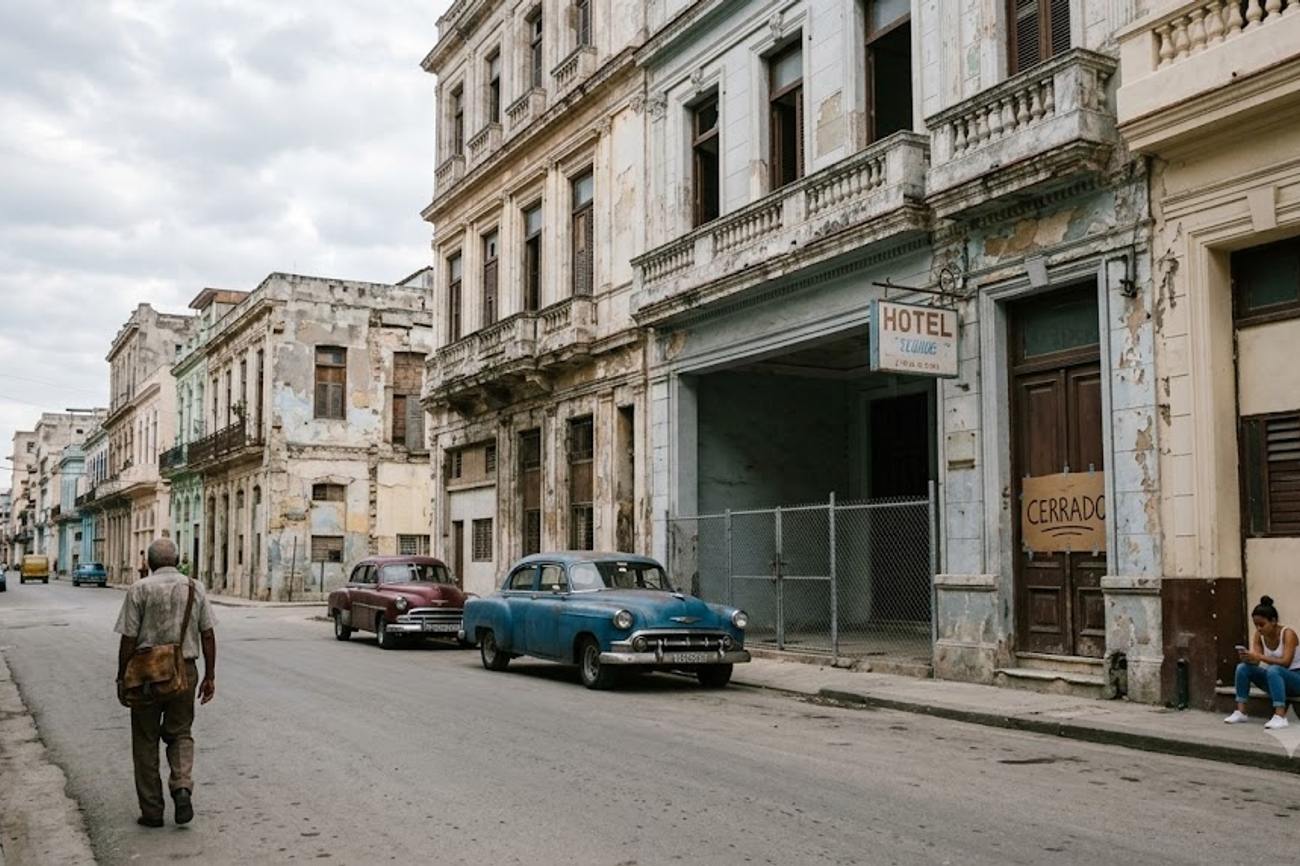
Image generated by AI
Cuba’s travel economy is in a state of severe contraction. Data from Cuba’s National Office of Statistics and Information reveals that the destination recorded only 419,863 international visitors during the first seven months of 2026. This represents a sharp decline from the 1,810,619 visitors recorded during the same period in 2025.
The slump is widespread across all primary source markets. Canada, historically the most vital market for the island, saw a reduction of 350,737 visitors in the first seven months of the year. Declines were also recorded for travelers from the United States (down 39,944), Russia, Mexico, Argentina, Spain, China, Colombia, and France.
Hospitality Sector Collapse The crisis is compounded by a mass exodus of international hotel management firms. The withdrawal of these brands removes critical global distribution systems and marketing reach. Key divestments include:
- Blue Diamond Resorts: Sold 62 hotels (over 12,900 rooms) in late May.
- Iberostar: Sold 18 of its 28 Cuban properties in June.
- Meliá Hotels International: Terminated management agreements for 34 hotels.
This restructuring has resulted in the liquidation of nearly 46% of rooms previously managed by international firms.
Operational Paralysis Infrastructure failures are now actively deterring travel. Chronic electricity shortages have crippled hotel operations, specifically impacting air conditioning and transport logistics.
The resulting lack of demand has led to a collapse in occupancy. First-quarter hotel occupancy plummeted to 21.5%. Prime Minister Manuel Marrero Cruz reported in late July that 73% of hotel facilities were closed, leaving approximately 25,000 hotel employees in protective unemployment.
Data Table
| Tourism Indicator | 2026 Data | Previous Period | Travel Industry Impact |
|---|---|---|---|
| International visitors (Jan–July) | 419,863 | 1,810,619 | Major contraction in inbound tourism |
| International visitors (Jan–June) | 387,591 | 985,606 | Sharp first-half decline |
| International visitors (May) | 30,883 | Higher than 2026 | Weak spring demand |
| International visitors (July) | 32,272 | Higher than 2026 | Limited summer recovery |
| First-quarter hotel occupancy | 21.5% | Higher previously | Significant unused capacity |
Why This Matters
From a logistical perspective, the exit of Meliá, Iberostar, and Blue Diamond is more damaging than the raw visitor numbers suggest. These brands provide the "trust architecture" for international tourists; without their management, the perceived risk regarding service standards and safety increases.
For travelers, the real impact is a breakdown in the basic tourism value chain. When 73% of hotels are closed and electricity is unreliable, the destination ceases to be a viable product for tour operators. Our analysis suggests that Cuba is losing its competitive edge to other Caribbean destinations that offer stability and modernized infrastructure. The shift isn't just a dip in demand—it is a loss of market confidence.
Industry Outlook
Expect a continued downward trend in arrivals until the energy crisis is resolved. The "protective unemployment" of 25,000 workers suggests a looming labor shortage when the market eventually attempts to pivot. Short-term recovery will likely depend on whether the Cuban government can attract new, perhaps non-traditional, investment to replace the liquidated international management contracts.
Related Travel Guides
Disclaimer
This article is for informational and educational purposes only. It does not constitute legal, financial, or professional advice. While we strive to provide accurate and up-to-date information, travel policies, regulations, and conditions change rapidly. Always verify information with official sources before making travel decisions. Nomad Lawyer makes no representations about the accuracy, reliability, completeness, or suitability of the information provided. Readers should consult qualified professionals for advice specific to their circumstances. The views expressed in this article are those of the author and do not necessarily reflect the views of Nomad Lawyer.