
Dubai Reveals Why True Travel Passion Never Fades As Miraculous Hotel Occupancy Defies The Scorching Desert Heat
Dubai Reveals Why True Travel Passion Never Fades As Miraculous Hotel Occupancy Defies The Scorching Desert Heat

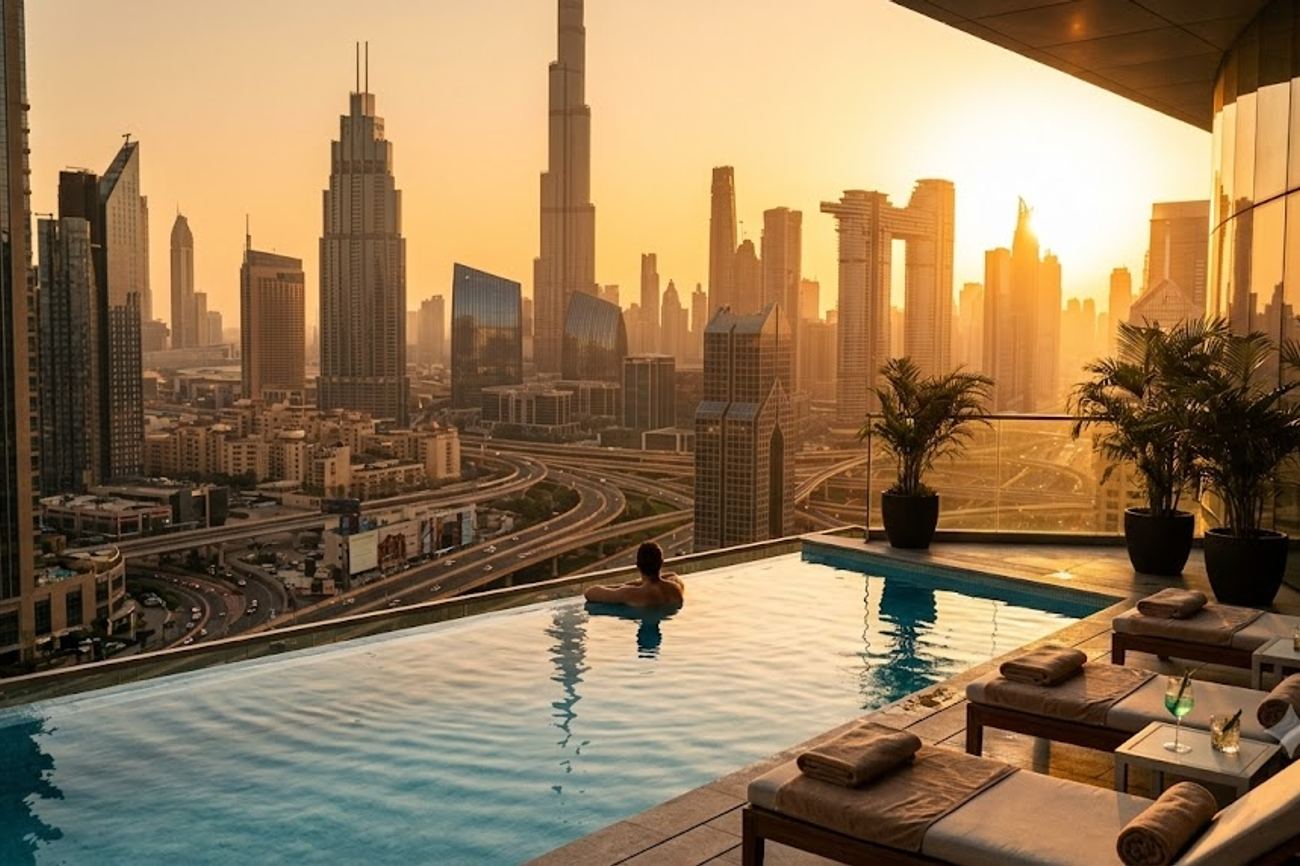
Image generated by AI
A 66% hotel occupancy rate in August marks a defiant reversal of traditional seasonal trends for Dubai, signaling a fundamental shift in how the United Arab Emirates (UAE) manages its tourism lifecycle. This figure represents a sharp climb from a 36% low recorded in March, effectively erasing the "summer slump" that typically characterizes travel to the Arabian Peninsula. By leveraging aggressive promotional incentives and a massive expansion of room inventory, the emirate is decoupling its economic viability from the regional climate.
The Mechanics of Seasonal Defiance
The ability to maintain high occupancy during the peak of the desert summer is not an accident of demand but a result of calculated market engineering. The UAE has transitioned from a winter-centric destination to a year-round hub by implementing bespoke staycation packages and targeted luxury promotions. These initiatives were designed to capture regional demand from GCC neighbors while simultaneously attracting international visitors who are less deterred by high temperatures when paired with high-value luxury offerings.
This strategy is supported by the Dubai Department of Economy and Tourism, which coordinates with hospitality operators to ensure that pricing remains attractive during periods that were historically considered "off-peak." The result is a rewritten travel calendar for the Middle East, where August now rivals the traditional peak months in terms of engagement.
Hospitality Inventory and Market Volume
The scale of Dubai's hospitality infrastructure is now operating at a level that provides a significant buffer against inflationary pricing. With total room inventory approaching 149,000 units, the city is expanding its capacity faster than many of its global competitors. This surge in supply allows the market to absorb massive influxes of travelers without the drastic price spikes seen in other global capitals.
The volume of activity is best illustrated by the cumulative data from the first eight months of the year, where the city recorded over 21 million occupied room nights.
Dubai Tourism Performance Metrics (January – August)
| Metric | Value | Significance |
|---|---|---|
| August Occupancy Rate | 66% | Six-month high; reverses seasonal decline |
| March Occupancy Rate | 36% | Annual low point |
| Total Room Inventory | $\approx$ 149,000 | Prevents inflationary pricing spikes |
| Total Occupied Room Nights | 21.61 Million | Cumulative volume (Jan-Aug) |
| August International Visitors | 869,000 | Highest single-month volume since February |
| Western Europe Market Share | 20% | Primary source region |
| South Asia Market Share | 17% | Secondary growth driver |
| GCC Nations Market Share | 16% | Critical regional stability factor |
| CIS & Eastern Europe Share | 14% | Emerging loyalist demographic |
Expert Analysis: The Diversification Hedge
For the global traveler and the hospitality investor, the most critical data point is the 66% occupancy rate within "Upper Midscale" properties. While Dubai is world-renowned for ultra-luxury seven-star experiences, the resilience of the mid-tier segment indicates a strategic pivot toward the global middle class.
The direct consequence of this diversification is a "hedged" tourism economy. By not relying solely on high-net-worth individuals, Dubai protects itself from volatility in the luxury sector. When the city attracts a mix of corporate executives and budget-conscious leisure seekers, it creates a stable floor for occupancy.
Furthermore, the synergy between hotel growth and aviation capacity—managed through hubs like Dubai International (DXB) and coordinated via the International Air Transport Association (IATA)—means that the logistical friction of visiting the UAE is at an all-time low. The pricing pressure created by 149,000 rooms means that travelers can now access luxury-adjacent amenities at mid-scale price points, making the city a more competitive destination compared to other global hubs.
Key Takeaways
- Seasonal Shift: August occupancy reached 66%, a massive increase from the 36% low seen in March, proving the success of summer-specific promotional campaigns.
- Capacity Growth: The approach toward 149,000 available hotel rooms is acting as a price stabilizer, keeping the city competitive against other global tourism capitals.
- Visitor Volume: 869,000 international overnight visitors arrived in August alone, contributing to a total of 21.61 million occupied room nights since January.
- Market Diversity: Western Europe (20%) and South Asia (17%) remain the dominant source markets, though GCC and CIS regions provide essential stability.
- Segment Resilience: Upper Midscale hotels are performing as well as luxury properties, indicating a successful expansion into the mid-tier traveler market.
FAQ: Dubai Tourism 2024
Is August a good time to visit Dubai for budget travelers? Yes. Due to the massive inventory of 149,000 rooms and aggressive summer promotions, luxury and upper-midscale properties often offer more competitive rates in August than during the winter peak.
Which countries visit Dubai the most? Western Europe is the leading source of tourists at 20%, followed by South Asia at 17% and GCC nations at 16%.
Why are hotel prices in Dubai staying competitive despite the boom? The rapid expansion of room supply prevents the inflationary spikes typically seen in high-demand cities, ensuring that increased visitor volume doesn't automatically lead to unaffordable pricing.
The desert is no longer a deterrent, but a backdrop for a meticulously engineered economic engine.
Tags: DubaiTourism2024, UAEHospitalityMarket, DXBConnectivity, DubaiHotelOccupancy, MiddleEastTravelTrends
Related Travel Guides
- The Fern Hotels & Resorts Unlocks New Hospitality Opportunities in Gujarat with The Fern Residency Somnath, Series by Marriott
- Mexico Leads a New Wave of Hotel Development as SIAN Introduces Modular Accommodation That Could Transform Resort Expansion
- Maldives Luxury Tourism Enters a New Era as Anantara Veli Unveils Exclusive Michelin Guest Chef Experiences for 2026
Disclaimer
This article is for informational and educational purposes only. It does not constitute legal, financial, or professional advice. While we strive to provide accurate and up-to-date information, travel policies, regulations, and conditions change rapidly. Always verify information with official sources before making travel decisions. Nomad Lawyer makes no representations about the accuracy, reliability, completeness, or suitability of the information provided. Readers should consult qualified professionals for advice specific to their circumstances. The views expressed in this article are those of the author and do not necessarily reflect the views of Nomad Lawyer.
Kunal K Choudhary
Co-Founder & Contributor
A passionate traveller and tech enthusiast. Kunal contributes to the vision and growth of Nomad Lawyer, bringing fresh perspectives and driving the community forward.
Learn more about our team →