
Cuba Protects Coastal Travel Economies And Fragile Marine Reefs In Varadero And Cayo Coco Against Ocean Threats, Find Out Now
Cuba Protects Coastal Travel Economies And Fragile Marine Reefs In Varadero And Cayo Coco Against Ocean Threats, Find Out Now

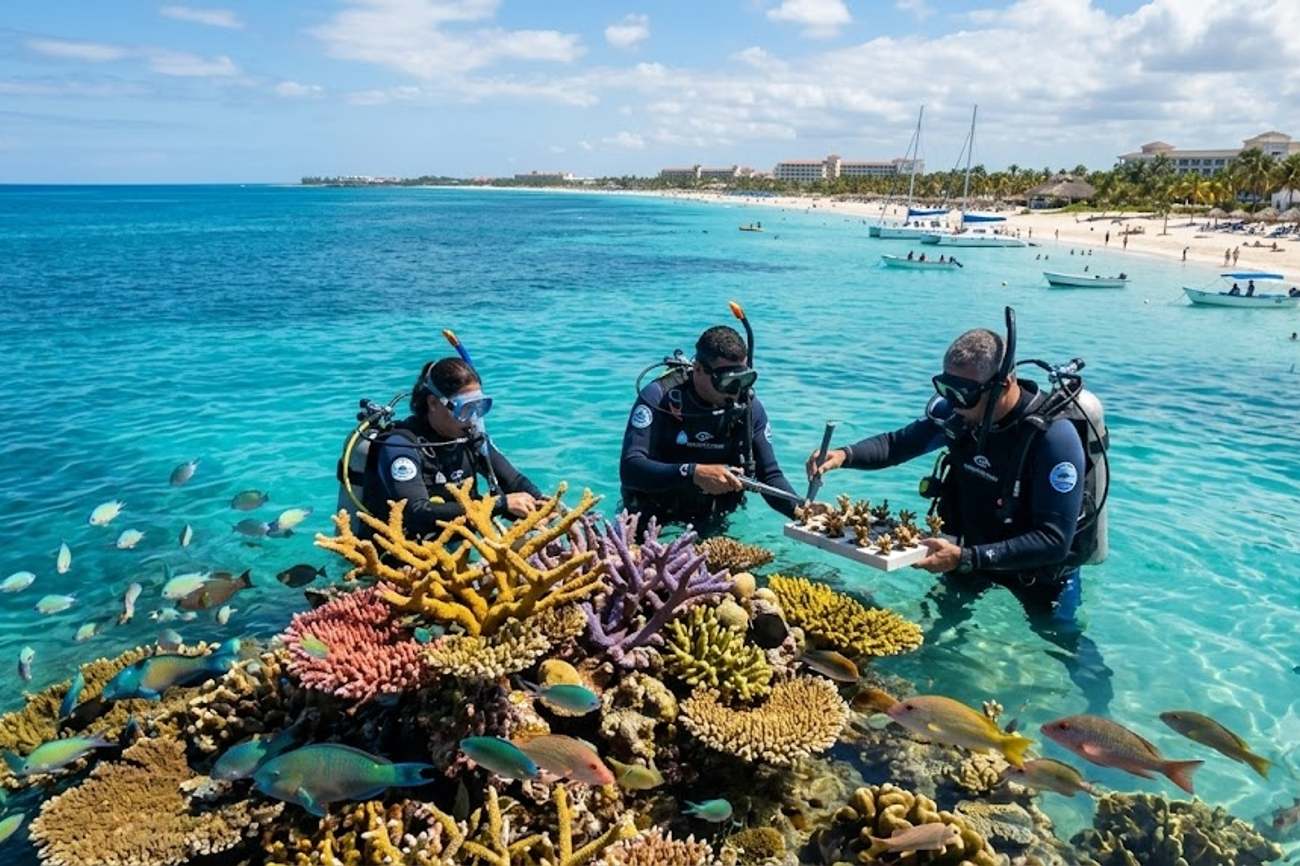
Image generated by AI
[Havana, October 2023] — The Cuban government is implementing a sweeping state-mandated climate adaptation strategy known as Tarea Vida to combat catastrophic shoreline retreat and permanent inundation across its premier tourism hubs.
The policy, approved by the Council of Ministers, establishes a long-term master plan to climate-proof the nation's most vulnerable coastal zones, specifically targeting the Hicacos Peninsula and the Cuban Archipelago. The initiative comes as rising ocean levels and thermal stress threaten the foundational infrastructure of the country's leisure tourism industry, forcing a shift from rapid expansion to strategic retreat and environmental fortification.
The Drivers of Coastal Collapse
The crisis is fueled by a combination of rising baseline sea levels and the degradation of natural marine defenses. In high-traffic destinations like Varadero and Cayo Coco, chronic shoreline retreat is eroding the sands that support luxury resorts and critical transport links. As sea levels climb, tidal forces penetrate deeper into the beach profiles, permanently altering the topography and threatening to submerge recreational areas.
Simultaneously, marine heatwaves are triggering widespread coral bleaching across the archipelago. These reef systems normally function as biological breakwaters, capable of attenuating up to 97% of incoming wave energy. In areas like Cayo Largo, the collapse of these reefs due to ocean warming and acidification has stripped away the primary defense against marine erosion, leaving coastal infrastructure exposed to unmitigated wave action.
Further compounding the risk are intensified tropical cyclones and extreme thermal stress. High-velocity winds and storm surges are dismantling roofing systems and contaminating freshwater aquifers with saltwater. On land, record-breaking surface temperatures are straining energy grids as resorts increase power for cooling systems, while prolonged droughts threaten the freshwater supplies necessary for high-capacity hotel operations.
Impacted Zones and Infrastructure
The environmental degradation is not uniform, but it specifically targets the economic engines of Cuba's tourism sector:
- Varadero (Hicacos Peninsula): Severe sand erosion and the destruction of natural dune barriers are leaving inland developments vulnerable to permanent flooding.
- Cayo Coco: High risk of inundation for low-lying coastal roads and civil aviation infrastructure.
- Cayo Largo: Collapse of reef complexity is accelerating shoreline loss and threatening the scuba diving and marine ecotourism sectors.
- Coastal Urban Centers: General threats to foundational utilities and saltwater intrusion into vital freshwater aquifers.
Practical Traveler Advisory and Strategic Insights
For those booking trips to Cuba's coastal resorts, the immediate impact is a transition in how these destinations are managed and maintained. Travelers should expect the following:
Infrastructure Shifts: The government is now prohibiting the construction of new hotels on dynamic coastal dunes. This means the "beachfront" experience may change as legacy structures are retrofitted or demolished to make way for strategic retreats.
Environmental Restrictions: To protect the remaining mangroves—the only natural protection for many beaches—there will likely be stricter zoning and access controls in sensitive ecological areas.
Service Volatility: During peak heatwaves or cyclone seasons, guests may experience increased power instability and water scarcity as regional energy networks and aquifers struggle to meet demand.
Eco-Tourism Changes: The degradation of coral reefs in the archipelago may diminish the quality of diving and snorkeling experiences, as bleached reefs lack the biodiversity of healthy systems.
The Tarea Vida Strategy and Recovery Efforts
The Tarea Vida (Task Life) framework represents a fundamental shift in Cuban urban planning. Rather than fighting the ocean with permanent concrete walls, the state is prioritizing "nature-based solutions." This involves the restoration of seagrass beds and the replanting of mangrove forests, which serve as natural sediment traps to lock soil in place and filter runoff before it reaches the reefs.
To support these efforts, Cuba is partnering with international bodies. The MI COSTA project, backed by the United Nations Development Programme (UNDP) and the Green Climate Fund, is deploying large-scale ecosystem interventions to halt saltwater intrusion.
In areas where nature-based solutions are insufficient, such as the heavily visited stretches of Varadero, the government is utilizing mechanical sand replenishment. This involves dredging compatible offshore sand and depositing it along eroded shorelines to artificially maintain the beach's width and protect inland assets.
Despite these efforts, there is a growing call for increased international cooperation. Experts suggest that if sanctions were lifted, the U.S. Department of State could facilitate the movement of American architects and engineers to assist Cuban professionals in designing more resilient coastal defenses.
FAQ: Cuba Coastal Risks 2023
Are the beaches in Varadero disappearing? They are experiencing "chronic shoreline retreat." While the government is using mechanical sand replenishment to keep beaches viable for tourists, the natural dunes are eroding, making the resorts behind them more vulnerable to storms.
How does coral bleaching affect my vacation? Bleached reefs lose their vibrant colors and fish populations, reducing the quality of diving. More importantly, dead reefs cannot stop waves, leading to rougher waters and faster beach erosion.
What is Tarea Vida? It is Cuba's official state policy to combat climate change. It mandates that vulnerable buildings be moved inland and forbids new construction on fragile dunes to ensure long-term survival.
Is it safe to visit Cayo Coco during cyclone season? While resorts have evacuation plans, intensified cyclones now cause more severe damage to roads and power grids, which can lead to significant travel disruptions and service outages.
The battle for Cuba's coastline is a race between rising tides and state-mandated retreat.
Related Travel Guides
Disclaimer
This article is for informational and educational purposes only. It does not constitute legal, financial, or professional advice. While we strive to provide accurate and up-to-date information, travel policies, regulations, and conditions change rapidly. Always verify information with official sources before making travel decisions. Nomad Lawyer makes no representations about the accuracy, reliability, completeness, or suitability of the information provided. Readers should consult qualified professionals for advice specific to their circumstances. The views expressed in this article are those of the author and do not necessarily reflect the views of Nomad Lawyer.
Preeti Gunjan
Contributor & Community Manager
A passionate traveller and community builder. Preeti helps grow the Nomad Lawyer community, fostering engagement and bringing the reader experience to life.
Learn more about our team →