Saudi Arabia Positions Jazan for Red Sea Tourism Growth as Farasan Expands Low-Impact Eco Experiences

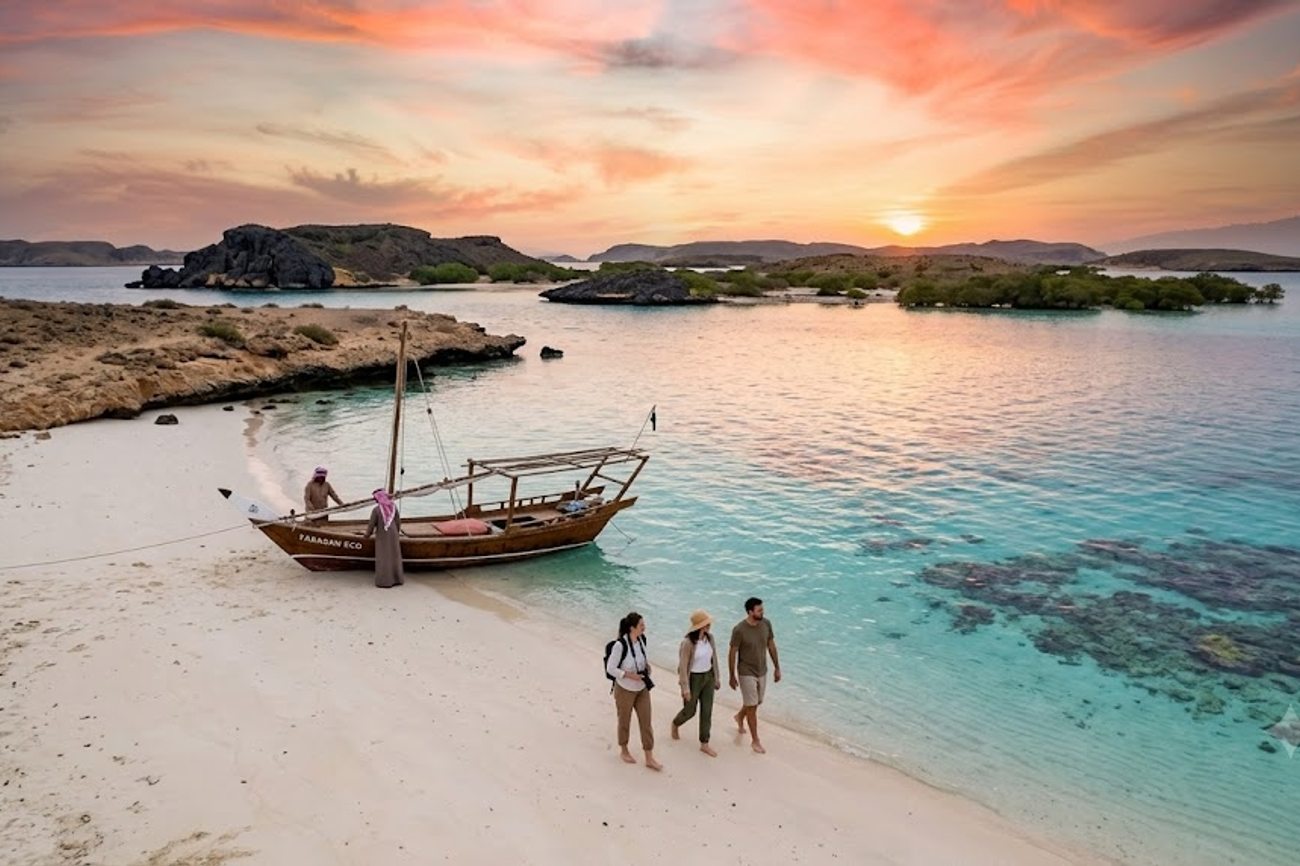
Image generated by AI
[Jazan, September 17, 2026] — Saudi Arabia is implementing a strict commercial framework for the Farasan Islands to prevent the protected Red Sea archipelago from becoming a high-density resort destination. The government is pivoting away from generic destination marketing in favor of a structured "experience calendar" that prioritizes ecotourism and environmental preservation over mass tourism.
The strategy, detailed by the National Center for Wildlife (NCW), establishes specific seasonal windows for tourism activities to protect sensitive ecosystems. This shift moves the Farasan Islands toward a low-impact, high-value model, focusing on nature-based itineraries rather than the large-scale integrated resorts seen in other Red Sea developments.
The Shift to a Seasonal Experience Calendar
The transition from general promotion to a defined operational schedule is now official. According to NCW data updated on September 15, 2026, the islands are now categorized by activity type and availability, creating a blueprint for tour operators to build sustainable itineraries.
Walking and hiking trails, along with stargazing opportunities, are now designated as year-round offerings. In contrast, camping is strictly tied to the winter season, and marine activities are aligned with specific wildlife-viewing periods to minimize ecological disruption. Birdwatching infrastructure is currently listed as "coming soon," signaling a future expansion into specialist nature tourism.
This structured approach allows the Saudi government to manage visitor flow and ensure that tourism does not overlap with critical breeding or migration cycles of local fauna.
Targeted Investment at Khutab Beach
While the government is resisting high-density development, it has identified Khutab Beach—located approximately 45 kilometers from the Farasan Governorate—as a zone for small-scale, sustainable investment.
According to reports from the Saudi Press Agency, the vision for Khutab Beach focuses on a "small-footprint" model. The identified investment opportunities include:
- Small coastal lodges
- Organized camping zones
- Open-air cafés
- Walking trails and sea viewpoints
Crucially, these are identified as development opportunities rather than active facilities. There is currently no confirmed construction timetable or opening date for these projects. This indicates that the Ministry of Investment is testing a boutique tourism model that avoids the environmental degradation associated with massive hotel clusters.
Affected Travelers, Airlines and Logistics: Operational Impacts
The new framework changes the landscape for B2B travel planners, tour operators, and high-net-worth travelers. The following table outlines the current official status of Farasan's tourism components as of September 17, 2026:
| Tourism Component | Official Status (Sept 2026) | Practical Impact for Operators |
|---|---|---|
| Walking & Hiking | Available Year-Round | Enables non-marine itineraries; reduces boat reliance. |
| Stargazing | Available Year-Round | Supports evening programming and longer guest stays. |
| Camping | Winter Season Only | Limits overnight nature products to a seasonal window. |
| Marine Experiences | Linked to Wildlife Seasons | Requires precision marketing; prevents year-round promises. |
| Birdwatching | Coming Soon | Not yet ready for commercial sale as infrastructure. |
| Khutab Beach | Investment Opportunity | Not yet bookable; signal for future boutique growth. |
Practical Traveler Advisory and Strategic Insights
For the individual traveler or travel agent, the "resort experience" is not what to expect from Farasan. If you are booking a trip to the region, the following plain-language impacts apply:
No Mass Luxury Hotels: Do not expect large-scale resorts with sprawling pools and shopping malls. The focus is on small lodges and camping. If you require five-star integrated resort amenities, Farasan is not currently the destination for you.
Strict Seasonality: You cannot book a camping trip in the summer or expect peak marine wildlife sightings in the off-season. Your itinerary must be built around the NCW’s seasonal calendar.
Limited Access: You will likely encounter "micro-zoning" restrictions. Certain areas, particularly the mangroves, may be closed or restricted to very small groups to protect the pink-backed pelicans and other sensitive species.
Guided Experiences: The shift toward "conservation-led" tourism means that unguided, independent exploration of sensitive zones will likely be prohibited. Expect a requirement for certified guides for most marine and hiking excursions.
Environmental Constraints and Marine Zoning
The most significant operational hurdle for the growth of Farasan tourism is the protection of the mangrove waterways, particularly on the eastern shore. These areas are critical habitats for the pink-backed pelican, and the government is treating them as sanctuary-level zones.
This directly impacts the Al-Qandal Forest excursions. Located 16 kilometers from Farasan Port, Al-Qandal requires boats to navigate a narrow 50-meter rocky entrance before entering mangrove channels. While popular for dolphin and bird watching, the NCW is implementing "micro-zoning" to limit the number of boat movements.
To manage this, the government has divided the marine environment into three distinct zones to control human impact:
1. Restricted Marine Zones (35.0% / 201,728 hectares): These areas include fish nurseries, seagrass beds, and coral-rich bays. High-impact activities are strictly limited here to preserve biodiversity.
2. Low-Intensity Marine Zones (23.5% / 135,576 hectares): These serve as a shoreline buffer, preventing high-density boating and fishing from encroaching on the most sensitive areas.
3. High-Intensity Marine Zones (28.6% / 164,890 hectares): These cover deeper waters where heavier excursion traffic is permitted.
The Path Toward 2030
The Farasan Islands Protected Area management plan for 2024–2030 explicitly warns that large-scale tourism would compromise the natural landscape. The goal is to position Jazan’s islands as a specialist destination for photography, nature interpretation, and immersive wildlife experiences.
By prioritizing "carrying capacity" over "visitor volume," Saudi Arabia is attempting to create a sustainable tourism product that survives long-term. The success of the Khutab Beach project will likely determine if this small-footprint model is scaled to other parts of the archipelago.
FAQ: Farasan Islands Tourism 2026
Can I book a hotel at Khutab Beach right now? No. Khutab Beach has been identified for sustainable investment, meaning small lodges and cafés are planned, but no facilities are currently operational or open for booking.
When is the best time to visit for camping? Camping is officially designated as a winter season activity. Travelers should plan their trips during the cooler months to align with the NCW's experience calendar.
Are there restrictions on boat trips to the mangroves? Yes. The government uses micro-zoning to restrict boat access in sensitive areas like Al-Qandal Forest to protect the pink-backed pelican and other marine life.
Is Farasan Islands a mass-market beach destination? No. The official 2024–2030 management plan explicitly rejects high-density tourism in favor of low-impact ecotourism, focusing on hiking, stargazing, and guided wildlife viewing.
Low-density, high-value: Saudi Arabia is betting that exclusivity and ecology will outweigh the lure of mass tourism in the Farasan archipelago.
Related Travel Guides
- Luxury Travel Moves Inland Across Southern Europe
- Dominican Republic Beats Bahamas and More and Remains the Leading Force in Boosting Caribbean Tourism With Record Travel Demand in 2026
- Florida Aligns with Texas and More in Implementing New Short-Term Rental Taxes to Boost US Tourism Revenue in 2026
This article is for informational purposes. Flight routes, passenger regulations, visa rules, and transit advisories are subject to change by airlines and aviation authorities. Readers are advised to verify schedules and travel documentation with relevant carriers and border agencies before departure.
Related Stories

Thailand Tourism Slowdown Tests Small Businesses as Kingdom Pivots to High-Yield Travel and Secondary Provinces

South Africa Expands Inclusive Wildlife Tourism with Woman-Owned Wellness Centre at Addo Elephant National Park