
Luxury Travel Moves Inland Across Southern Europe
Luxury Travel Moves Inland Across Southern Europe

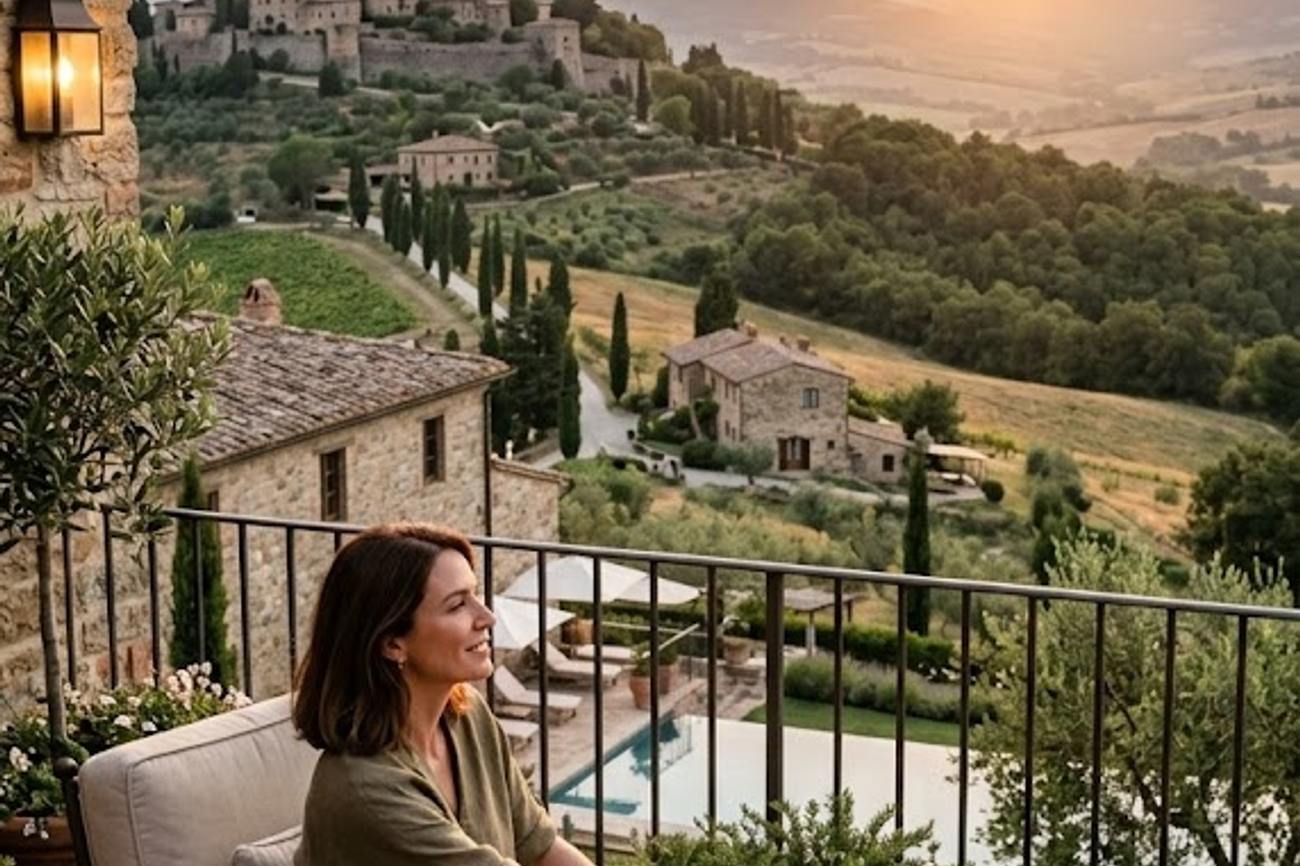
Image generated by AI
946 authorized agritourism businesses in Puglia as of 2024 signal a systemic pivot in how Southern Europe monetizes its rural interior. This figure represents more than just a collection of bed-and-breakfasts; it is the baseline for a broader structural shift where luxury is no longer defined by the proximity to a shoreline, but by the depth of integration into the agricultural landscape. From the olive groves of Andalusia to the fortified masserie of Italy, the premium travel sector is migrating inland, replacing the high-density resort model with a regenerative, low-impact framework that ties hospitality revenue directly to land productivity.
The Inland Migration of Premium Hospitality
For decades, the luxury tourism maps of Spain and Italy were dominated by coastal hubs—the Costa del Sol in Spain and the Amalfi or Adriatic coasts in Italy. However, a strategic realignment is occurring. In Andalusia, the focus is shifting away from the saturated markets of Málaga and the Mediterranean beaches toward the interior. This transition leverages the region's existing agricultural infrastructure—vineyards, olive mills, and mountain villages—to create a "regenerative" tourism product.
This is not merely a change in scenery but a change in business logic. By promoting ecological agri-tourism, regional authorities are attempting to decouple luxury from consumption and attach it to production. In this model, a restored finca is not just a place of lodging; it is a functional node in the local economy. Guests are no longer passive observers but participants in honey harvesting, artisan cheese-making, and olive oil production. This shift allows regional governments to distribute tourism wealth more evenly across the geography, reducing the seasonal and environmental pressure on coastal ecosystems.
Data Breakdown: The Rural Luxury Infrastructure
The transition toward rural luxury is supported by established frameworks in Italy and emerging strategies in Spain. While some reports suggest a specific legislative push for "eco-luxury" arriving in September 2026—including mandates for closed-loop organic farming and on-site solar production—official verification of these specific laws remains pending. However, the existing data confirms the viability of the model.
| Region | Primary Asset | Key Market Driver | Scale/Data Point |
|---|---|---|---|
| Puglia | Masserie (Fortified Farms) | Heritage Restoration | 946 authorized agritourism businesses (2024) |
| Andalusia | Fincas & Olive Groves | Regenerative Agri-tourism | Shift from Costa del Sol to inland groves |
| Tuscany | Agriturismi & Vineyards | Productive Land Integration | Focus on Val d’Orcia, Chianti, and Maremma |
In Puglia, the data is particularly telling. According to reports from the Region of Puglia, international visitors now account for more than 50% of all recorded overnight stays within these authorized agritourism businesses. This indicates that the "Masserie" model—combining traditional fortified architecture with contemporary high-end interiors—has achieved global market fit, moving beyond local niche appeal to become a primary driver of international luxury arrivals.
Expert Analysis: The Economics of Regenerative Luxury
For the modern high-net-worth traveler, the "gold standard" of luxury is shifting from exclusivity (keeping people out) to authenticity (letting people in). The move toward rural estates in Tuscany and Andalusia is a direct response to "resort fatigue." When a luxury stay is integrated into a working farm, the value proposition changes from a service-based experience to an experiential one.
For travelers booking these routes, the direct consequence is a transition from standardized luxury—where a five-star hotel in Málaga feels similar to one in Dubai—to place-based luxury. The pricing pressure this creates means that operators can charge a premium not for the thread count of the linens, but for the exclusivity of the access. A private cooking session with a local producer or a guided harvest in the Val d’Orcia is a non-commoditizable asset.
From a regulatory perspective, the push toward sustainability is a defensive maneuver. By integrating International Air Transport Association (IATA) standards for sustainable travel and local ecological mandates, these regions are protecting the very landscapes that attract the tourists. If the soil is depleted or the water table drops due to oversized resorts, the luxury product vanishes. Therefore, the "closed-loop" systems mentioned in upcoming 2026 developments are not just environmental gestures; they are risk-management strategies to ensure the long-term viability of the land.
Furthermore, the shift toward smaller, four-room properties—as seen in recent Tuscan projects—reduces the overhead of massive staffing requirements while increasing the per-guest revenue. By combining hospitality with nature-based education and social initiatives, these properties transform from "hotels" into "cultural assets." This allows the Italian National Tourism Board and Spanish counterparts to market their countries as destinations for "slow travel," which typically attracts a demographic with higher spending power and a lower environmental footprint.
Key Takeaways
- Market Pivot: Luxury tourism is moving from coastal density (Costa del Sol) to rural depth (Andalusian and Tuscan interiors).
- Puglia's Dominance: With 946 authorized agritourism businesses in 2024, Puglia has set the blueprint for the "Masserie" model, with over 50% of stays being international.
- Productive Hospitality: New models in Tuscany are integrating guest stays directly with agricultural output, ensuring tourism revenue supports land productivity.
- Scale Shift: The industry is moving away from large-scale resorts toward intimate, low-room-count villas and private estates to enhance privacy and authenticity.
- Sustainability Integration: Eco-luxury is evolving from "green-washing" (solar panels) to "regenerative" practices (soil protection and closed-loop farming).
FAQ: Southern Europe Rural Luxury 2026
What is a Masseria in Puglia? A masseria is a historic, fortified farmhouse typical of the Puglia region. Originally designed for agricultural production and defense, many have been renovated into high-end boutique hotels that blend rustic stone architecture with modern luxury amenities.
How does "regenerative tourism" differ from sustainable tourism? While sustainable tourism seeks to minimize harm, regenerative tourism aims to actively improve the destination. This includes restoring old buildings, improving soil health through organic farming, and directly funding local artisan economies.
Are these rural luxury estates only available in the summer? No. The shift toward "experiential" luxury—such as olive harvesting and vineyard tours—encourages year-round visitation, breaking the traditional summer-only coastal peak and providing steady income for rural farmers.
Where can I find official listings for authorized agritourism in Italy? Travelers should consult official regional government portals or the Visit Britain equivalent for Italy to ensure properties meet the legal "agriturismo" certification, which guarantees a genuine link to farming.
The future of European luxury is no longer found on the beach, but in the dirt of a working vineyard.
Tags: Andalusia Agri-tourism, Puglia Masserie 2026, Tuscany Agriturismo, Regenerative Hospitality Europe, Southern Europe Luxury Trends
Related Travel Guides
- Dominican Republic Beats Bahamas and More and Remains the Leading Force in Boosting Caribbean Tourism With Record Travel Demand in 2026
- Florida Aligns with Texas and More in Implementing New Short-Term Rental Taxes to Boost US Tourism Revenue in 2026
- Miami Joins Orlando and More Emerging as the Top Sources for Boosting US Tourism by Welcoming the Most International Tourists in 2026
Disclaimer
This article is for informational and educational purposes only. It does not constitute legal, financial, or professional advice. While we strive to provide accurate and up-to-date information, travel policies, regulations, and conditions change rapidly. Always verify information with official sources before making travel decisions. Nomad Lawyer makes no representations about the accuracy, reliability, completeness, or suitability of the information provided. Readers should consult qualified professionals for advice specific to their circumstances. The views expressed in this article are those of the author and do not necessarily reflect the views of Nomad Lawyer.
Naina Thakur
Contributor & Travel Specialist
Travel enthusiast and legal writer covering visa regulations, responsible tourism, and cultural journeys across global destinations.
Learn more about our team →