
Cruise Great Lakes: 2026 Boom Surges as Passenger Traffic Hits Historic Peak
Great Lakes cruise passenger traffic surges to historic highs in 2026, with ships delivering $300M economic impact across North America. Industry boom transforms regional tourism.

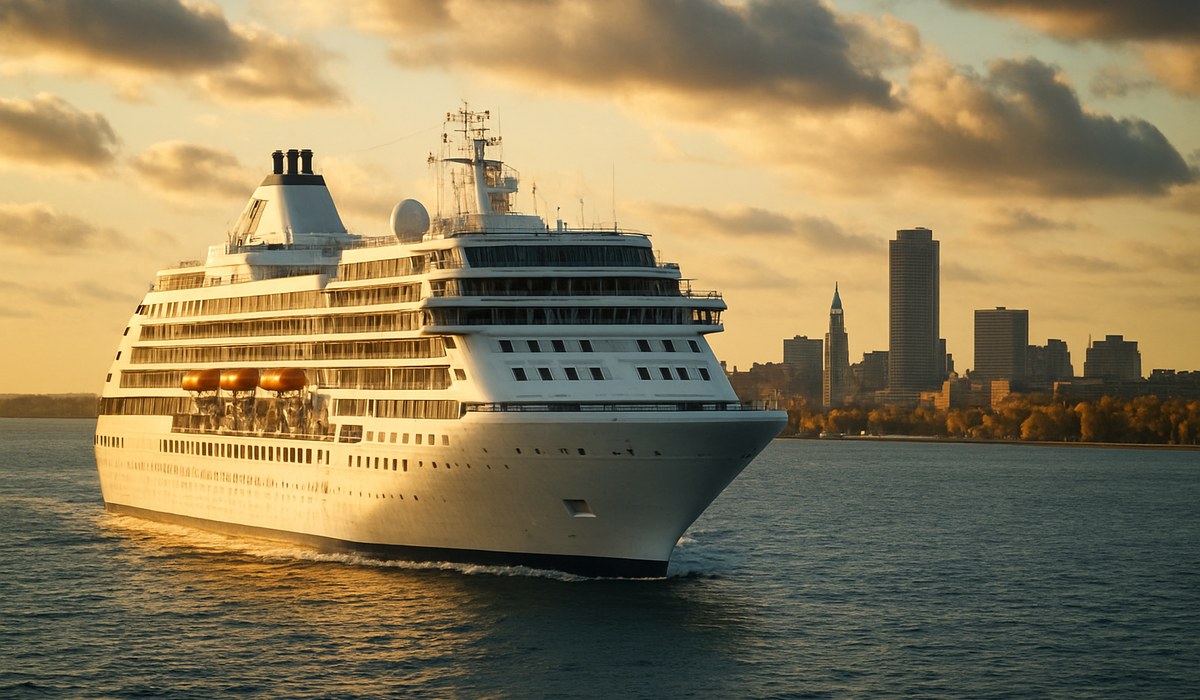
Image generated by AI
Great Lakes Cruise Sector Experiences Record-Breaking Growth in 2026
The cruise great lakes industry is experiencing unprecedented expansion, with passenger bookings, deployed vessels, and economic contributions all reaching historic records during the 2026 travel season. Regional ports from Detroit to Chicago are welcoming larger fleets and higher traveler volumes than ever before. The surge reflects growing consumer demand for freshwater cruising alternatives to traditional ocean voyages.
The $300 million economic impact demonstrates how significantly the cruise industry shapes Great Lakes communities. Tourism boards, hospitality providers, and port authorities across the five-state region report transformative revenue streams from this travel boom.
Passenger Traffic Surges Across Regional Ports
Passenger volume increases define the 2026 Great Lakes cruise boom, with embarkation hubs reporting double-digit growth year-over-year. Chicago's Navy Pier cruise terminal and Detroit's international terminals processed record passenger numbers throughout the spring and summer months. Port authorities confirm that cruise great lakes itineraries now attract affluent travelers seeking cultural immersion and scenic navigation through North America's largest freshwater ecosystem.
Regional cruise ports expanded infrastructure to accommodate this passenger surge. Enhanced terminal facilities at Milwaukee and Toronto now support simultaneous multi-ship operations. Hospitality metrics show that cruise passengers spend significantly in local restaurants, retail establishments, and attractions, multiplying the economic impact beyond port fees alone.
Travel agencies report that cruise great lakes packages rank among their fastest-selling inventory for North American itineraries. Cruise Critic's Great Lakes destination guide documents this trend with rising booking volumes from first-time cruisers exploring freshwater alternatives.
Ship Deployments Reflect Industry Confidence
Cruise lines increased vessel assignments to Great Lakes routes throughout 2026, signaling strong confidence in market demand. Newer, smaller ships designed specifically for inland waterway navigation deployed to the region. These vessels accommodate 200–500 passengers, matching the operational constraints of St. Lawrence Seaway locks and river passages.
American Cruise Lines and similar operators expanded their Great Lakes fleets with modern tonnage. Ships featuring suites with panoramic windows and onboard naturalist programs attract experienced travelers seeking educational voyages. The smaller vessel size enables access to historic ports and intimate port experiences unavailable to ocean-sized ships.
Port infrastructure upgrades supported increased ship visits. Enhanced docking facilities at Duluth, Minnesota and Cleveland, Ohio now accommodate modern cruise vessels year-round. Industry analysts attribute this deployment surge to operational efficiency improvements and rising consumer preferences for boutique cruise experiences on freshwater routes.
Economic Impact Reaches $300 Million Milestone
The cruise great lakes boom generated $300 million in direct and indirect economic activity during 2026. This figure encompasses passenger spending, crew wages, port operations, supply chain expenditures, and hospitality sector revenues across the Great Lakes region.
Community investment multipliers demonstrate how cruise tourism transforms local economies. Every cruise passenger generates approximately $400–500 in regional spending through accommodations, dining, attractions, and retail purchases. Port cities report tax revenue increases funding municipal infrastructure and public programs.
Employment surged across hospitality, transportation, and maritime sectors. Hotels, restaurants, and attractions in cruise-adjacent communities hired seasonal workers to meet demand. This labor market expansion benefited regional employment statistics and workforce development initiatives throughout 2026.
Cruise Itinerary at a Glance
| Port of Call | Departure Region | Port Activities | Typical Stay | Seasonal Availability |
|---|---|---|---|---|
| Chicago, Illinois | Lake Michigan hub | Architecture tours, museums, dining | 1 day | April–October |
| Mackinac Island, Michigan | Northern transit | Historic island exploration, fudge shops | 4 hours | May–September |
| Milwaukee, Wisconsin | Lake Michigan route | Brewery tours, local markets, waterfront | 1 day | May–September |
| Duluth, Minnesota | Western terminus | Lake Superior gateway, natural parks | 1–2 days | June–September |
| Toronto, Ontario | Canadian destination | Niagara Falls access, urban attractions | 1–2 days | May–October |
| Cleveland, Ohio | Southern access | Industrial heritage museums, local cuisine | 1 day | April–October |
Market Trends Driving the 2026 Boom
Consumer preferences shifted decisively toward domestic cruise great lakes experiences during 2026. Post-pandemic travelers sought alternatives to crowded international destinations. The Great Lakes offered accessible, domestically-based cruise options featuring regional culture and natural scenery.
Cruise line innovation contributed directly to this market surge. Operators developed curated itineraries focused on Great Lakes maritime history, freshwater ecosystems, and regional culinary traditions. Onboard programming featured regional historians, naturalists, and cultural experts enhancing educational value.
Digital marketing campaigns effectively reached affluent North American audiences. Cruise lines promoted sustainable freshwater cruising as an environmentally conscious travel choice. This positioning resonated with demographics prioritizing responsible tourism and cultural authenticity over large-ship mass-market experiences.
Booking windows compressed significantly in 2026. Many cruises sold out 6–8 months in advance, reflecting strong demand across all vessel categories. Early-bird pricing became less available, indicating supplier confidence in revenue potential throughout the season.
What This Means for Travelers
The 2026 cruise great lakes boom creates specific opportunities and considerations for prospective passengers:
-
Book early: Popular departures now sell 6–8 months ahead. Reserve preferred dates and cabins during advance booking windows to secure optimal pricing.
-
Expect higher fares: Strong demand supports premium pricing. Shoulder season voyages (April–May, September–October) offer modestly lower rates than peak summer sailings.
-
Explore boutique operators: Smaller cruise lines offer more intimate experiences and exclusive port access than mainstream vendors. Research specialized operators alongside major cruise corporations.
-
Plan ground transportation: Regional port accessibility varies significantly. Arrange airport transfers, rental cars, or alternative transportation well in advance of your sailing date.
-
Embrace onboard education: Most Great Lakes cruises feature expert-led programming about regional history, ecology, and culture. Plan time for lectures and nature walks complementing scenic navigation.
-
Verify visa requirements: Canadian itineraries necessitate valid passport documentation for U.S. and Canadian citizens. International travelers should confirm entry requirements with relevant embassies.
-
Consider mobility needs: River navigation and lock transits require comfortable footwear and reasonable mobility. Ship stabilization systems minimize motion, but passengers should assess personal comfort levels beforehand.
Frequently Asked Questions About Cruise Great Lakes Travel
What is the best time to cruise the Great Lakes? Peak season runs June through September when water temperatures moderate and port attractions operate fully. Shoulder seasons (May and early October) offer pleasant weather with fewer crowds and modest fare discounts. Winter cruising is unavailable due to ice formation on northern routes.
How much does a typical cruise great lakes voyage cost? Seven-day itineraries range from $2,000–$6,000 per person depending on cabin category, operator, and season. Early bookings, shoulder season travel, and interior cabins offer better value. All-inclusive pricing typically covers meals, onboard entertainment, and port lectures.
Can U.S. citizens cruise the Great Lakes without passports? Domestic-only itineraries visiting only U.S. ports require proof of citizenship (passport card, enhanced driver's license, or state ID). Canadian port visits mandate valid passports for all passengers regardless of citizenship status.
How many passengers typically travel on Great Lakes cruise ships? Great Lakes vessels accommodate 200–500 passengers, dramatically smaller than ocean-going cruise ships. This size enables intimate experiences, personalized service, and access to smaller historic ports unavailable to larger vessels.
What is included in cruise great lakes packages? Standard inclusions encompass accommodations, most meals (breakfast and lunch daily), onboard entertainment, and port lecture programs. Specialty dining, alcoholic beverages, gratuities, and shore excursions typically require additional payments.
Are there all-inclusive cruise great lakes options? Several premium operators offer all-inclusive pricing incorporating beverages, gratuities, and select shore excursions. These packages command 15–25% premium pricing over traditional offerings but simplify budgeting and reduce onboard spending temptation.
Related Travel Guides
Great Lakes Cruise Lines: Complete Operator Comparison for 2026 Best Freshwater Cruises in North America: Regional Alternatives to Ocean Voyages Chicago to Mackinac Island: Historic Great Lakes Cruise Routes and Port Highlights
Disclaimer
This article reflects cruise great lakes industry conditions as of March 25, 2026. Specific pricing, scheduling, and availability information changes frequently. Verify current rates, itinerary details, and embarkation requirements directly with cruise line websites or authorized travel agents before booking. Passport and visa requirements vary by citizenship and destination. Consult the U.S. State Department travel website and relevant embassy resources to confirm current documentation mandates. Weather conditions and port operations may necessitate itinerary modifications; review cruise line cancellation and modification policies before purchase.
Disclaimer
This article is for informational and educational purposes only. It does not constitute legal, financial, or professional advice. While we strive to provide accurate and up-to-date information, travel policies, regulations, and conditions change rapidly. Always verify information with official sources before making travel decisions. Nomad Lawyer makes no representations about the accuracy, reliability, completeness, or suitability of the information provided. Readers should consult qualified professionals for advice specific to their circumstances. The views expressed in this article are those of the author and do not necessarily reflect the views of Nomad Lawyer.
Raushan Kumar
Founder & Lead Developer
Full-stack developer with 11+ years of experience and a passionate traveller. Raushan built Nomad Lawyer from the ground up with a vision to create the best travel and law experience on the web.
Learn more about our team →