Costa Rica Papagayo Peninsula Ultra-Luxury Growth: Nekajui Ritz-Carlton Reserve Earns 3 Michelin Keys 2026

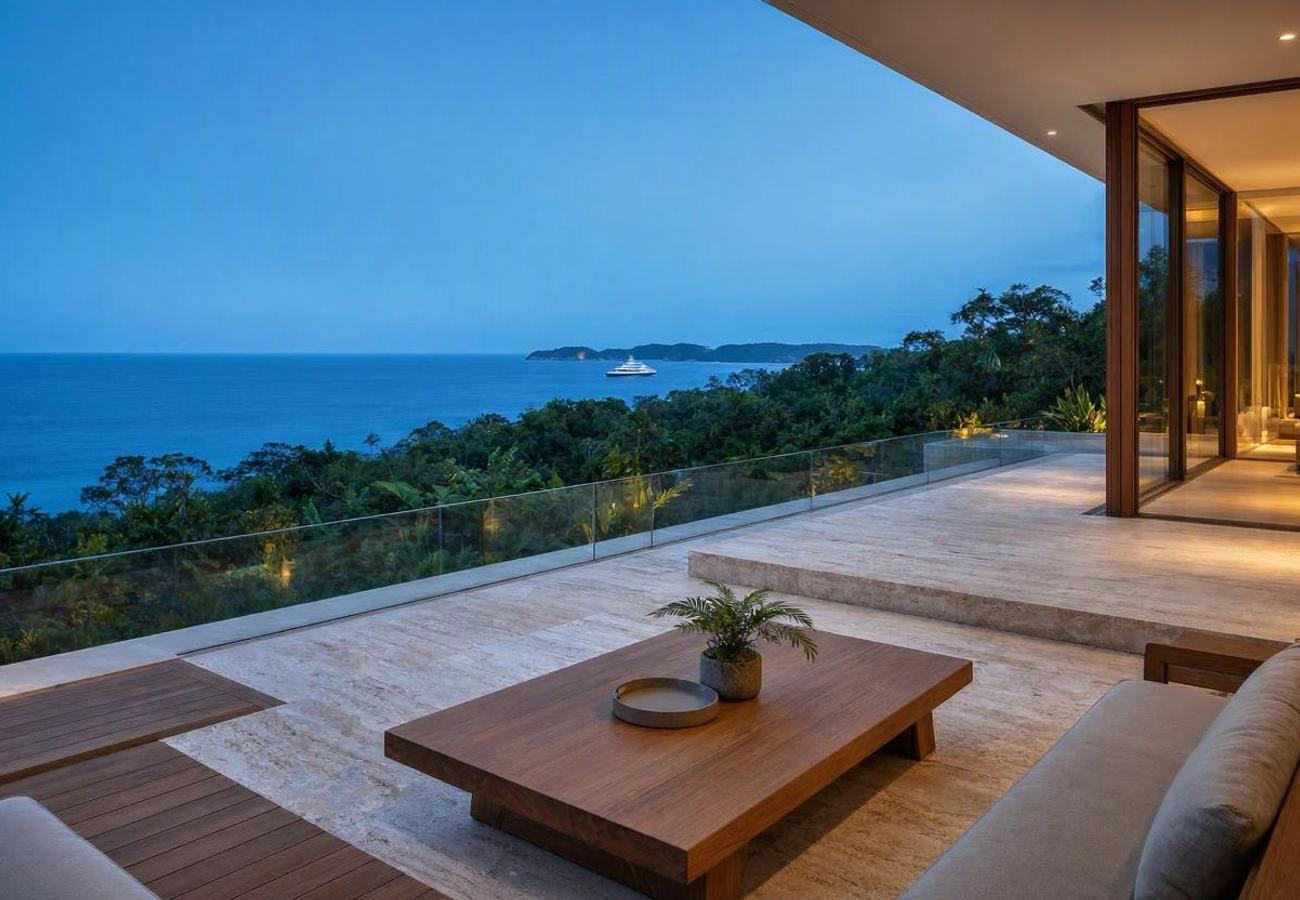
Image generated by AI
The luxury hospitality market in the Americas has seen a concentrated shift toward "eco-exclusivity," with the Papagayo Peninsula emerging as a primary beneficiary. While traditional luxury hubs in the Caribbean have maintained steady growth, the recent awarding of Three Michelin Keys to Nekajui, a Ritz-Carlton Reserve, marks the first and only new addition to the Michelin Guide hotels list for the entire Americas region in 2026. This singular recognition signals a pivot in how ultra-high-net-worth individuals (UHNWIs) are valuing destination selection—moving away from high-density resort zones toward isolated, nature-integrated estates.
The Ultra-Luxury Pivot in Numbers
The elevation of the Papagayo Peninsula is not merely a branding exercise but a result of specific, high-value infrastructure and accolades. The primary catalyst is the 2026 Michelin Guide Global Key Hotel Selection. By granting Nekajui, a Ritz-Carlton Reserve, Three Michelin Keys—the highest possible tier in the hotel recognition system—the guide has effectively validated Costa Rica's Pacific coast as a peer to the most exclusive destinations in Europe and Asia.
This hotel-centric growth is being mirrored by a surge in maritime luxury. The Golfo de Papagayo has transitioned from a scenic stopover to a primary destination for the world's largest private vessels. A key data point in this shift is the deployment of the Black Pearl, a 106-metre eco-sailer. The presence of a vessel of this scale indicates that the region's maritime infrastructure and sheltered waters are now capable of supporting the most demanding segments of the superyacht market.
According to data trends tracked by the World Tourism Organization (UNWTO), there is a measurable increase in "slow travel" among luxury demographics. The integration of a Three-Key resort with eco-conscious superyachting allows for a hybrid itinerary that eliminates the need for frequent airport transfers, a major friction point for the ultra-wealthy.
Comparative Market Context: Papagayo vs. Traditional Hubs
Historically, luxury travel in Central America focused on boutique eco-lodges or standard five-star resorts. The current trajectory of the Papagayo Peninsula represents a shift toward "Ultra-Luxury," where the service standards match those of the French Riviera or the Maldives, but the environment remains raw and tropical.
The following table compares the current luxury profile of the Papagayo Peninsula against traditional luxury benchmarks in the region:
| Metric | Traditional Luxury Hubs (Caribbean/Mexico) | Papagayo Peninsula (2026 Profile) | Shift Significance |
|---|---|---|---|
| Michelin Recognition | High density of starred dining; fewer "Key" hotels | Singular, top-tier 3-Key recognition (Nekajui) | Quality over quantity; prestige anchor |
| Maritime Access | Standard luxury charters; cruise ship ports | 100m+ Superyachts (e.g., Black Pearl) | Shift to UHNWI private vessel charters |
| Density Model | High-density resort clusters | Controlled access; isolated estates | Privacy-first architectural model |
| Environmental Focus | "Green-washed" luxury | Integrated eco-sailer & nature-reserve stays | Authentic eco-luxury integration |
This shift is supported by broader industry movements. As noted by IATA, there is a growing demand for private aviation and seamless arrivals in nature-centric destinations, which complements the peninsula's strategy of controlled access and seclusion.
Practical Traveler Advisory and Strategic Insights
For the individual traveler, the "Michelin-fication" of the Papagayo Peninsula changes the booking logic for Q4 and the winter season. The arrival of Three-Key status typically leads to a sharp increase in occupancy rates and a reduction in last-minute availability.
Actionable Booking Advice:
- Lead Time: If planning a stay at Nekajui or surrounding ultra-luxury villas for the winter window, a booking lead time of 6-9 months is now recommended. The exclusivity of a Three-Key property in a limited-access region creates a supply-demand imbalance.
- Hybrid Itineraries: Travelers should consider "Land-and-Sea" packages. With the Golfo de Papagayo now accommodating 100m+ yachts, the most efficient way to experience the coast is to split time between a stationary reserve stay and a private charter to explore secluded bays.
The Papagayo Peninsula in Costa Rica is experiencing ultra-luxury growth with the introduction of the Nekajui Ritz-Carlton Reserve, which has earned 3 Michelin Keys in 2026. This prestigious award is a testament to the resort's exceptional cuisine and service, making it a top destination for luxury travelers. For more information on traveling to Costa Rica, visitors can check the official government website for updates on tourism and travel requirements. 3. Seasonal Timing: The region is positioning itself as a primary winter haven. To avoid the peak UHNWI influx while still enjoying the warm weather, travelers should target the shoulder months of November or early May.
Forward Projection: The Eco-Luxury Trajectory
The current trajectory suggests that the Papagayo Peninsula will move beyond being a "destination" and instead become a "hub" for eco-conscious ultra-luxury. The presence of the Black Pearl—an eco-sailer—is a leading indicator. We are seeing a transition where the "gold standard" of luxury is no longer just about the thread count of the linens or the brand of the champagne, but about the carbon footprint of the experience.
As more properties on the peninsula seek to emulate the success of the Ritz-Carlton Reserve, we can expect an increase in "regenerative luxury" offerings—stays that not only minimize impact but actively contribute to the reforestation and marine protection of the Pacific coast. The synergy between Michelin-rated hospitality and sustainable maritime travel creates a moat that is difficult for traditional resort towns to replicate.
FAQ: Papagayo Peninsula Luxury Trends 2026
Will hotel prices increase following the Michelin Key award? Yes. Historically, Three-Key or Three-Star recognition leads to a premium pricing strategy. Travelers should expect a rise in Average Daily Rates (ADR) at Nekajui and a subsequent "halo effect" increasing prices at neighboring luxury properties.
Is the Papagayo Peninsula suitable for travelers without a superyacht? Absolutely. While the region is attracting larger vessels, the primary draw remains the high-end land-based resorts. The superyacht presence simply enhances the overall prestige and the availability of high-end maritime excursions for resort guests.
Which airlines are expanding access to this region? While specific flight numbers vary, there is a trend toward increased private jet charters and premium cabin expansions into Liberia (LIR), the closest international gateway to the peninsula, to accommodate the influx of Michelin-seeking travelers.
The convergence of Michelin prestige and maritime scale has officially moved Costa Rica from the "eco-adventure" category into the "ultra-luxury" stratosphere.
Related Travel Guides
This article is for informational purposes. Flight routes, passenger regulations, visa rules, and transit advisories are subject to change by airlines and aviation authorities. Readers are advised to verify schedules and travel documentation with relevant carriers and border agencies before departure.
Related Stories

Costa Rica Tourism Surge 2026: Guanacaste Airport Hits Record 769,716 Arrivals as Canada Growth Spikes

European Mass Protests Disrupt Travel Across France, Italy, Belgium, and Turkey in 2026