
Colorado Travel Alert: Rising Bear Encounters Trigger New Wildlife Safety Warnings for Visitors
Colorado Travel Alert: Rising Bear Encounters Trigger New Wildlife Safety Warnings for Visitors

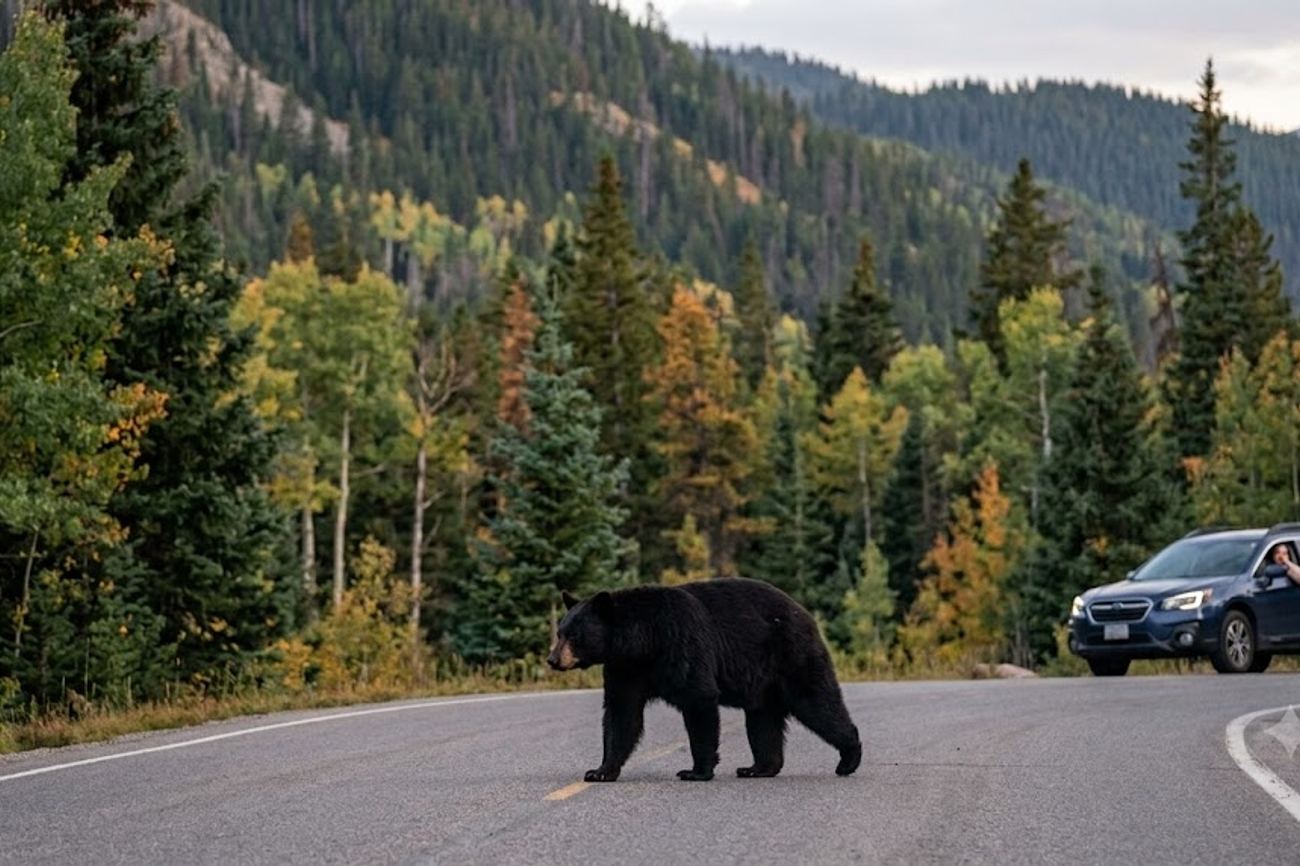
Image generated by AI
Two separate black bear attacks occurring within a single weekend—one involving a woman bitten inside a tent at Park Creek Campground and another involving a teenager injured when a bear entered a residence in Durango—have triggered an urgent safety escalation across Colorado’s wilderness corridors. These incidents, reported by state wildlife authorities, highlight a volatile intersection between seasonal animal biology and the state's high-volume adventure tourism industry. As millions of visitors descend upon the Rocky Mountains, the convergence of environmental stress and human encroachment is transforming routine hiking and camping trips into high-risk encounters.
The Biology of Hyperphagia and Environmental Stress
The current spike in human-wildlife conflict is not random; it is the result of a biological imperative known as hyperphagia. During this pre-winter phase, black bears enter a state of extreme caloric demand, consuming massive quantities of food to build the fat reserves necessary for hibernation. When natural food sources—specifically berries and fruits—are depleted, bears are forced to expand their foraging radius, often leading them directly into human-occupied spaces.
This biological drive is being exacerbated by systemic environmental pressures. Prolonged drought conditions across the American West have decimated the natural forage that black bears rely on. When the forest fails to provide, bears pivot to "anthropogenic" food sources: coolers, trash bins, pet food, and scented toiletries. This shift in behavior creates a dangerous feedback loop; once a bear associates a campground or a residential neighborhood with an easy meal, it becomes a "problem bear," increasing the likelihood of aggressive encounters.
The geography of these risks is widespread, spanning from the Rio Grande National Forest to the urban-wildland interfaces of Durango. For the traveler, this means the risk is no longer confined to deep backcountry areas but extends to developed campgrounds and vacation rentals.
Incident Analysis and Risk Distribution
The nature of the recent attacks reveals a critical gap in visitor perception regarding safety. The attack at Park Creek Campground is particularly telling: a woman was bitten while sleeping inside a tent. Wildlife officials noted the bear was likely "surprised" rather than intentionally predatory. This distinguishes a defensive attack from a predatory one, but the result for the traveler is the same. It proves that a nylon tent provides zero physical protection against a bear motivated by hunger.
The Durango incident, where a bear entered a home through a window, underscores the risk for those staying in Airbnbs or cabins in mountain towns. These structures are often perceived as safe havens, yet they are frequently breached by bears seeking food left on counters or in poorly secured bins.
| Risk Factor | Impact on Traveler | Mitigation Requirement |
|---|---|---|
| Hyperphagia | Increased bear aggression/boldness | Zero-tolerance food storage |
| Drought | Bears entering urban/residential zones | Secured windows/doors in rentals |
| Tent Camping | High vulnerability to "surprise" attacks | Use of bear canisters/lockers |
| Solo Hiking | Reduced awareness and higher risk | Group hiking and audible signaling |
Expert Analysis: The Hidden Cost of Adventure Tourism
For travelers booking Colorado excursions, the direct consequence of these trends is a mandatory shift in logistical preparation. We are seeing a transition where "basic" camping skills are no longer sufficient; travelers must now employ professional-grade wildlife management strategies to ensure their safety.
The pricing and logistical pressure this creates is subtle but significant. Travelers must now invest in specialized gear—such as bear-resistant food containers (canisters) and bear spray—which adds to the overhead of a trip. Furthermore, the increased activity of "problem bears" often leads to temporary trail closures or campground restrictions imposed by Colorado Parks and Wildlife, which can disrupt tightly scheduled itineraries.
From a systemic perspective, the Durango and Park Creek incidents signal a failure in the "wildlife buffer." As tourism expands and more rentals are built closer to natural habitats, the boundary between human luxury and wild survival disappears. When drought reduces natural food, these rentals become high-calorie targets. For the nomad or adventure traveler, the lesson is clear: your accommodation's proximity to "nature" is a liability if the property does not have rigorous wildlife mitigation protocols. The reliance on "luck" or "animal instinct" is a failing strategy in an era of climate-driven food scarcity.
Colorado Parks and Wildlife has issued urgent guidance for travelers to secure all food and scented items to prevent habituating black bears. Visitors are encouraged to review the official Colorado Parks and Wildlife safety protocols to ensure responsible interactions during outdoor excursions.
Key Takeaways
- Biological Timing: Bear encounters peak during hyperphagia (pre-hibernation), making late summer and autumn the highest-risk periods for Colorado travel.
- Environmental Triggers: Drought-induced food shortages are pushing bears out of forests and into residential areas and campgrounds.
- Structural Vulnerability: Tents offer no protection against bears; "surprise" encounters can occur even while sleeping.
- Urban Risk: Residents and rental guests in mountain towns must secure windows and doors, as bears are increasingly breaching homes for food.
- Active Mitigation: Travelers should prioritize hiking in groups, making noise to avoid startling animals, and utilizing certified bear-resistant storage.
FAQ: Colorado Wildlife Safety 2024
Is it safe to camp in tents in Colorado during the fall? Yes, but only if you follow strict food protocols. Never keep food, trash, or scented items (toothpaste, deodorant) inside your tent. Use bear-resistant canisters or provided metal lockers to prevent attracting bears to your sleeping area.
What should I do if I encounter a bear on a hiking trail? Remain calm and avoid running, as this can trigger a chase response. Speak in a firm, loud voice to identify yourself as human and slowly back away, creating distance without turning your back on the animal.
Do I need bear spray for Colorado hiking? While not mandatory, it is highly recommended for those exploring backcountry areas or hiking solo. Ensure you know how to use it and keep it in an accessible holster, not buried inside your backpack.
How does drought affect my safety as a tourist? Drought reduces natural food sources like berries, making bears more desperate and more likely to enter campgrounds or towns to find food. This increases the frequency of human-bear conflicts across the state.
The boundary between a scenic getaway and a wildlife emergency is often as thin as the wall of a nylon tent.
Tags: Colorado Parks and Wildlife, Rio Grande National Forest, Black Bear Safety 2024, Rocky Mountain National Park, Hyperphagia Risks, Durango Wildlife Incidents
Related Travel Guides
- Tourism Department and ASI Join Forces for Major Heritage Revamp
- Mount Manaslu Autumn Season Kicks Off With Record 466 Climbers and Historic Permit Revenue in Nepal
- Saudi Arabia Joins Oman, Jordan and Other Nations in Latest US Department of State Travel Advisory Because of Conflict, Health and Crime: New Alert
Disclaimer
This article is for informational and educational purposes only. It does not constitute legal, financial, or professional advice. While we strive to provide accurate and up-to-date information, travel policies, regulations, and conditions change rapidly. Always verify information with official sources before making travel decisions. Nomad Lawyer makes no representations about the accuracy, reliability, completeness, or suitability of the information provided. Readers should consult qualified professionals for advice specific to their circumstances. The views expressed in this article are those of the author and do not necessarily reflect the views of Nomad Lawyer.
Kunal K Choudhary
Co-Founder & Contributor
A passionate traveller and tech enthusiast. Kunal contributes to the vision and growth of Nomad Lawyer, bringing fresh perspectives and driving the community forward.
Learn more about our team →