
Colombia Nature Tourism 2026: Los Llanos and Tayrona Drive Shift Toward Experiential Travel
Colombia is seeing a surge in nature-based tourism as international visitors shift from city breaks to wildlife safaris in Los Llanos and ecological exploration in Tayrona.

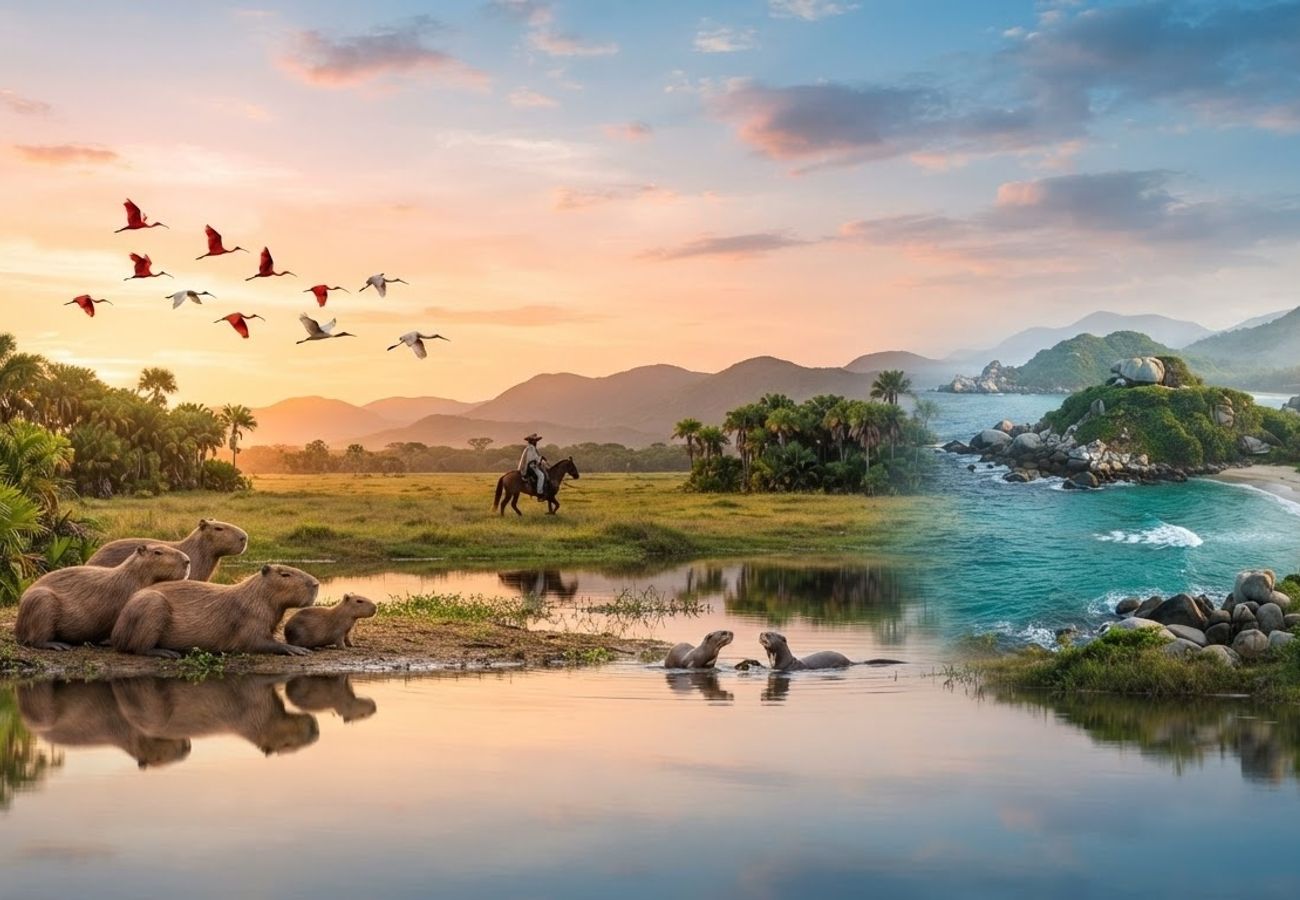
Image generated by AI
Colombia is evolving beyond its traditional urban and beach hubs, with a massive shift toward wildlife and ecological exploration. Over 65% of international visitors are now aged 18 to 49, driving a demand for high-activity, experience-led itineraries.
The Colombian tourism sector is undergoing a structural transformation. While Bogotá and Cartagena remain staples, a new wave of "experience-led" travel is pushing visitors toward the vast Eastern Plains of Los Llanos and the coastal biodiversity of Tayrona. This shift reflects a broader global trend where travelers prioritize environmental connection and cultural authenticity over passive sightseeing.
Wildlife Safaris in the Eastern Plains
Los Llanos offers a stark contrast to the Andean highlands and Caribbean shores. This region of open savannahs, wetlands, and river systems has emerged as a premier destination for wildlife observation.
Unlike the dense canopy of the Amazon, the expansive landscapes of Los Llanos allow for high-visibility wildlife spotting. Guided excursions typically utilize a mix of 4x4 vehicles, boats, and walking trails to track diverse species.
Visitors to the region can encounter:
- Capybaras and Giant Anteaters
- Caimans and Anacondas
- Various primate species and extensive bird populations
This nature-centric approach is deeply integrated with the local "llanero" culture. Tourism here is not just about animals; it encompasses the traditions of cattle ranching, regional music, and equestrian skills, providing a holistic view of rural Colombian life.
Ecological Exploration at Tayrona National Park
On the Caribbean coast, near Santa Marta, Tayrona National Natural Park is redefining the beach holiday. The park is a convergence of tropical forests, rugged mountains, and pristine coastlines, making it a hub for hiking and marine exploration.
The transition from dense jungle trails to open Caribbean viewpoints creates a dynamic environment for eco-tourists. However, the region's proximity to the Sierra Nevada de Santa Marta adds a layer of cultural complexity. The area is home to Indigenous communities, requiring visitors to adhere to strict environmental and community guidelines to preserve the land's spiritual and ecological integrity.
The Rise of Regenerative Tourism
Colombia is increasingly adopting a regenerative tourism model, particularly in the Tayrona region. This approach moves beyond "sustainable" travel—which seeks to minimize harm—and instead aims to actively improve the destination.
Regenerative practices currently being integrated include:
- Prioritizing community-led lodging and experiences.
- Utilizing local guides to ensure economic benefits remain within the village.
- Supporting conservation initiatives that protect fragile coastal ecosystems.
By shifting spending toward local businesses, travelers are helping to mitigate the pressure that high visitor volumes place on protected landscapes.
Demographic Shifts and Multi-Destination Trends
Data from the Colombian Association of Travel and Tourism Agencies (ANATO) reveals a significant demographic pivot. With more than 65% of international tourists falling within the 18-49 age bracket, there is a clear preference for active, diverse itineraries.
Modern travelers are no longer choosing between a city trip or a beach trip; they are synthesizing both into multi-destination journeys.
Recommended 2026 Colombia Integrated Itinerary
| Destination | Primary Focus | Key Experiences |
|---|---|---|
| Bogotá | Urban Culture | Gastronomy, museums, and historic districts |
| Los Llanos | Wildlife & Rural Life | Savanna safaris, birdwatching, llanero traditions |
| Santa Marta | Coastal Gateway | Caribbean logistics and Tayrona access |
| Tayrona | Ecology & Hiking | Tropical forests, protected beaches, mountain trails |
| Cartagena | History & Architecture | Colonial walled city and Caribbean food scene |
This diversified approach distributes tourism revenue more evenly across the country, reducing the strain on primary cities while boosting the economy of rural provinces.
Colombia is no longer just a destination for history and beaches—it is becoming a global benchmark for diverse, nature-first exploration.
Related Travel Guides
Disclaimer
This article is for informational and educational purposes only. It does not constitute legal, financial, or professional advice. While we strive to provide accurate and up-to-date information, travel policies, regulations, and conditions change rapidly. Always verify information with official sources before making travel decisions. Nomad Lawyer makes no representations about the accuracy, reliability, completeness, or suitability of the information provided. Readers should consult qualified professionals for advice specific to their circumstances. The views expressed in this article are those of the author and do not necessarily reflect the views of Nomad Lawyer.
Raushan Kumar
Founder & Lead Developer
Full-stack developer with 11+ years of experience and a passionate traveller. Raushan built Nomad Lawyer from the ground up with a vision to create the best travel and law experience on the web.
Learn more about our team →