
Colombia Aligns With Panama and More as Australia Issues New Travel Advisory Over Entry Rules and Travel Disruptions
Colombia Aligns With Panama and More as Australia Issues New Travel Advisory Over Entry Rules and Travel Disruptions

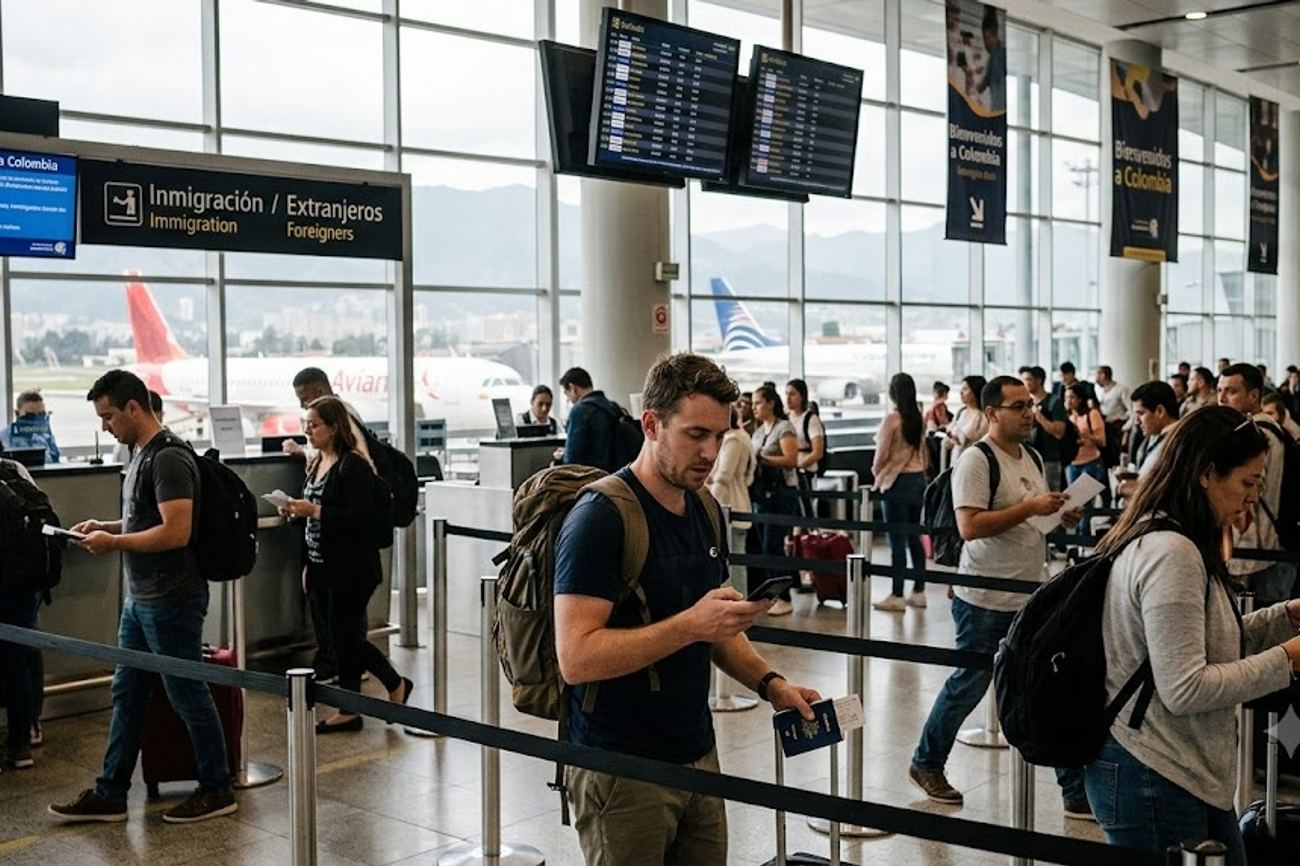
Image generated by AI
[Canberra, October 2024] — The Australian government has issued urgent travel advisories for Colombia, Panama, Egypt, and Uganda, warning citizens of heightened security threats, volatile entry requirements, and systemic crime. The updated guidance mandates a "high degree of caution" for travelers heading to these destinations, citing a combination of regional unrest, terrorist activity, and natural disasters that are currently disrupting international transit.
The advisory comes as a response to a deteriorating security environment across several continents. In South America, the focus is on the fallout from seismic activity and drug-related violence, while in North Africa and East Africa, the warnings center on geopolitical instability and shifting border protocols. The Australian Department of Foreign Affairs and Trade (DFAT) emphasizes that travelers must verify the current status of their destinations immediately before departure, as conditions on the ground are evolving rapidly.
Seismic Disruptions and Cartel Violence in Colombia
The immediate catalyst for the Colombian advisory is a combination of natural disaster and escalating criminal activity. Following an earthquake on 10 August, multiple airports are reporting operational disruptions. The government is urging passengers to bypass general assumptions and contact their airlines or travel agents directly to confirm if flights are still operating or if schedules have been modified.
Beyond infrastructure failures, the security situation in Colombia is categorized by targeted violence. The advisory specifically identifies Quibdó in Chocó and Ipiales in Nariño as high-risk zones where travelers should reconsider all travel plans. These areas are currently plagued by illegal armed groups and drug-related criminal enterprises. Furthermore, a strict 20-kilometer buffer zone is recommended along the borders with Peru and Brazil, with the sole exception of the area south of the Putumayo River in Amazonas.
Terrorist threats remain a persistent factor, particularly in Cali and the wider Cauca and Valle de Cauca regions. The advisory warns that terrorist cells continue to plan attacks, and visitors are instructed to monitor local news and evacuate affected areas the moment it is safe to do so.
Crime in Colombia has taken a predatory turn. Authorities report an increase in "incapacitating drugs" being slipped into food, drinks, cigarettes, or chewing gum to facilitate robberies. There is a specific warning regarding the use of online dating applications to lure victims into these traps. Additionally, the burgeoning "Ayahuasca tourism" sector is flagged as largely unregulated, with reports of participants being targeted for assault and robbery. Hikers are cautioned that trekking without reputable, experienced guides significantly increases the risk of being targeted by criminals.
Border Volatility and Natural Hazards in Panama
Panama is also under a "high degree of caution" status, though the risks differ from those in Colombia. While petty crime is the most frequent issue, the advisory warns against the use of unofficial taxis, citing reports of assault and robbery. Travelers are directed to use hotel-arranged transport or registered ride-share services.
The most severe warning concerns the Darien Gap and the Mosquito Gulf. These regions are effectively controlled by cartels, guerrilla groups, and human trafficking networks. The Australian government advises a total avoidance of these areas due to the extreme risk of violent crime.
Environmental risks are also prominent. Panama's hurricane season spans from June to November, bringing risks of landslides and flooding that can sever transport links. Because Panama is seismically active, the advisory urges coastal visitors to familiarize themselves with tsunami evacuation routes and move to higher ground immediately upon seeing warning signs.
Regional Instability in Egypt and Uganda
The advisory for Egypt is driven by the unpredictable nature of Middle Eastern geopolitics. Ongoing military conflicts in the region are actively impacting airspace operations and flight schedules. Travelers are warned that border crossings—whether by air, land, or sea—can change status with zero notice. Terrorism remains a primary concern, necessitating constant vigilance and adherence to local authority instructions.
Similarly, Uganda is included in the updated warnings, with the government citing varying entry conditions and security issues that require travelers to be mindful of local requirements before and during their stay.
Affected Travelers, Airlines and Logistics
The following table outlines the specific risks and affected zones detailed in the updated advisories:
| Country | High-Risk Zones | Primary Threats | Action Recommended |
|---|---|---|---|
| Colombia | Quibdó (Chocó), Ipiales (Nariño), Cali (Valle de Cauca) | Drug cartels, terrorism, incapacitating drugs, earthquake damage | Reconsider travel to specific cities; avoid border zones. |
| Panama | Darien Gap, Mosquito Gulf, Panama City high-crime areas | Human trafficking, cartels, unofficial taxi robberies | Avoid the Gap/Gulf; use only official transport. |
| Egypt | Border regions and airspace | Regional military conflict, terrorism | Verify flight status and border openings daily. |
| Uganda | General national entry points | Shifting entry requirements, security instability | Check current visa and entry laws before departure. |
Practical Traveler Advisory and Strategic Insights
For the average traveler, these advisories translate into three immediate operational burdens:
First, the "friction" of entry has increased. Specifically, those moving from Colombia into Ecuador via land borders must now prepare for a rigorous screening process due to Ecuador's State of Emergency. This includes providing a police check covering the last five years, which must be apostille certified. While children are exempt, adults without this documentation may be denied entry.
Second, there is a significant financial risk in Panama regarding immigration paperwork. Travelers must ensure they receive an official entry stamp from the National Migration Service of Panama. Failure to secure this stamp can result in fines of up to USD 1,000 upon departure.
Third, the "safety window" for adventure travel has narrowed. The unregulated nature of spiritual tourism (Ayahuasca) and independent trekking in Colombia means that "off-the-beaten-path" travel now carries a documented risk of robbery and assault. Travelers should no longer rely on peer reviews from dating apps or unregulated forums to vet guides or hosts.
Next Steps and Compliance
Travelers currently in these regions or planning trips in the coming weeks should immediately register their itineraries with their respective embassies. In Colombia, the primary focus should be on verifying flight availability through the Civil Aviation Authority or directly with carriers.
In Panama, the focus is on documentation and transport safety. Travelers should avoid all unofficial transportation and double-check their passports for the mandatory entry stamp before heading to the airport.
For those heading to Egypt, the priority is flexibility. Given the volatility of regional airspace, travelers should have contingency plans for flight cancellations and maintain a high level of awareness regarding local military movements.
FAQ: High-Caution Travel 2024
Do I need a visa for Colombia or Panama? Generally, tourists staying 90 days or less do not need a visa for either country. However, entry conditions change quickly; always verify with the embassy before flying.
What is the "apostille" requirement for the Colombia-Ecuador border? Due to Ecuador's State of Emergency, land travelers may need a certified police check from the last five years. This document must be "apostilled," meaning it is internationally authenticated for legal use.
How do I avoid the USD 1,000 fine in Panama? Ensure that immigration officers physically stamp your passport upon entry. If you enter via a method that bypasses a stamp, contact immigration authorities immediately to rectify it.
Is it safe to use ride-sharing apps in Panama City? Yes. The advisory specifically warns against "unofficial taxis." Pre-booked transport, hotel cars, and registered ride-share services are the recommended alternatives.
Travelers are urged to treat these advisories as active warnings rather than general suggestions.
Related Travel Guides
- Mallorca Unites with Calvià, Magaluf and More Destinations in Europe Abandoning UK Tourists and Welcoming More US Spendthrift Tourists
- America Travel Shift: CVB Vision Helps Star City Create Authentic Visitor Experiences
- USA Travel Update: Alaska Cruise Gateway Whittier Faces Recovery After Major Terminal Fire
Disclaimer
This article is for informational and educational purposes only. It does not constitute legal, financial, or professional advice. While we strive to provide accurate and up-to-date information, travel policies, regulations, and conditions change rapidly. Always verify information with official sources before making travel decisions. Nomad Lawyer makes no representations about the accuracy, reliability, completeness, or suitability of the information provided. Readers should consult qualified professionals for advice specific to their circumstances. The views expressed in this article are those of the author and do not necessarily reflect the views of Nomad Lawyer.
Naina Thakur
Contributor & Travel Specialist
Travel enthusiast and legal writer covering visa regulations, responsible tourism, and cultural journeys across global destinations.
Learn more about our team →