
China Turns Spring Festival Into a Global Tourism Showcase Through Culture Heritage and Travel Experiences: All You Need to Know
China Turns Spring Festival Into a Global Tourism Showcase Through Culture Heritage and Travel Experiences: All You Need to Know

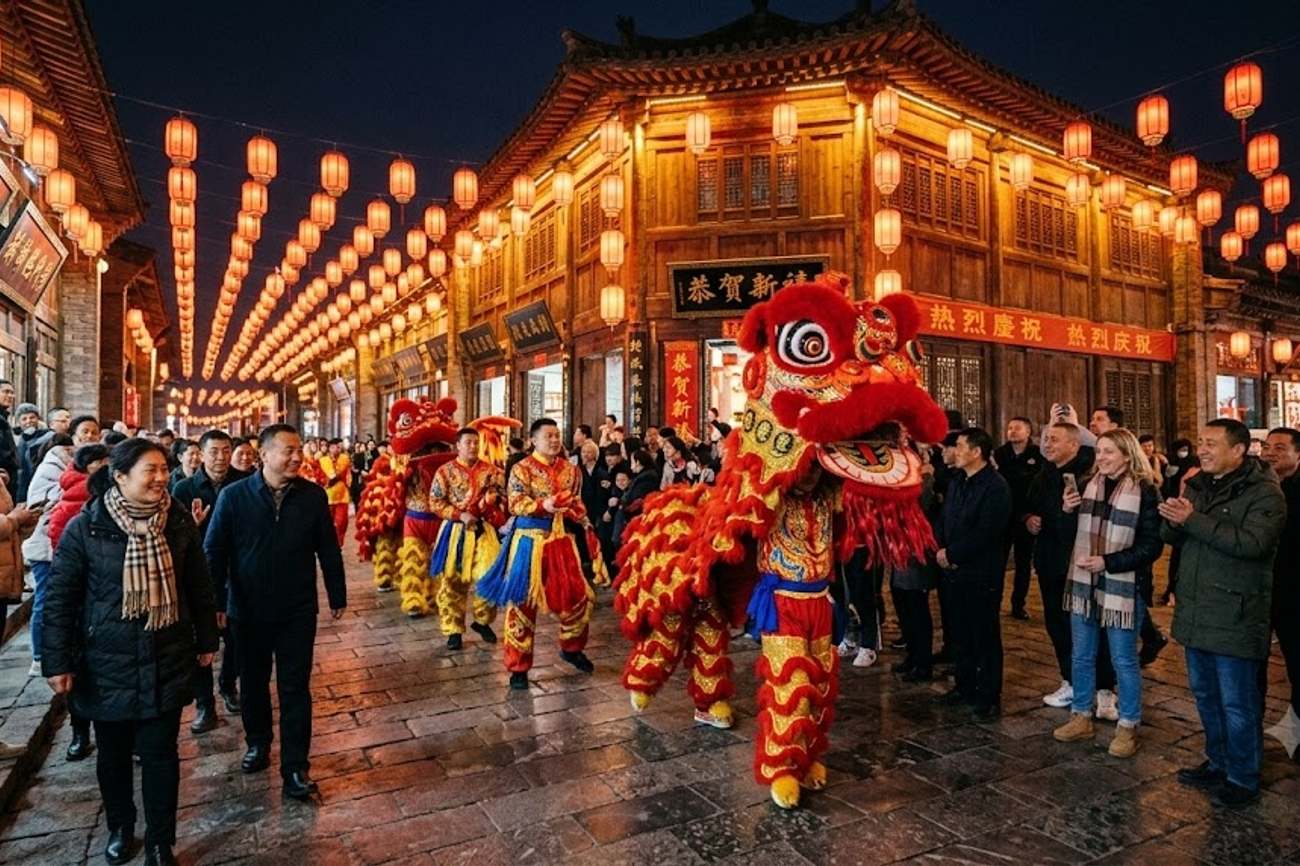
Image generated by AI
The scale of the Lunar New Year migration, known as Chunyun, is so immense that it is regarded as one of the largest annual movements of human beings on earth. For the 2026 Spring Festival window, Chinese authorities are forecasting a staggering 9.5 billion passenger trips over a 40-day period, a figure that dwarfs almost any other seasonal migration globally.
The Evolution of the Lunar New Year Journey
For generations, the Spring Festival was a static event—a homecoming centered strictly on the family hearth. However, a significant shift is occurring in how the holiday is experienced. The tradition of the "family reunion" is now merging with a hunger for exploration, transforming the holiday into a massive cultural tourism engine. No longer content with staying in one ancestral village, millions of travelers are extending their trips to integrate sightseeing, heritage exploration, and leisure.
This transition is turning the entire country into a living museum. From the neon-lit streets of Shanghai to the ancient walls of Xi’an, the festival has evolved into a curated experience where traditional customs are showcased alongside modern attractions. This is not just about holidaying; it is a nationwide effort to reposition China as a premier global destination for cultural immersion. The influence of the annual Spring Festival Gala—the televised spectacle of music and dance—acts as a catalyst, sparking curiosity in regional arts and historic locations that visitors then seek out in person.
What Makes the Spring Festival Experience Unique
The allure of visiting China during this window lies in its regional diversity. Because of the country's vast geography, there is no single "Spring Festival experience"; instead, there are dozens of regional iterations. In the north, the focus often leans toward the resilience of winter traditions and hearty dumplings, while the south emphasizes floral displays and different culinary staples.
In Beijing, the experience is defined by massive temple fairs where traditional performances and street food create a sensory overload. Contrast this with Yunnan, where the celebrations are filtered through the lens of various ethnic minority communities, offering a kaleidoscope of colorful costumes and distinct cultural rituals. Meanwhile, in Fujian, the focus shifts toward traditional village architecture and localized folk customs that have remained unchanged for centuries.
The integration of heritage cities is a cornerstone of this experience. Cities like Hangzhou utilize the natural beauty of West Lake to frame their cultural events, while Xi’an leverages its status as a Silk Road hub to connect the festive season with China's imperial history. For the traveler, this means the ability to witness the intersection of ancient architecture and living tradition in real-time.
Visitor Insider Tips
Navigating China during the Spring Festival requires a strategy that differs from standard travel. Because of the 9.5 billion trips expected during the 2026 window, spontaneity is your enemy.
Timing and Crowds To avoid the peak "Chunyun" crush, aim to arrive in your primary destination several days before the actual Lunar New Year date. The most intense travel pressure occurs in the 7-10 days leading up to the festival. If you want to experience the temple fairs without the suffocating crowds, arrive at the gates 30 minutes before opening or visit during the mid-week lull following the primary celebrations.
Transport Hacks Train tickets are the most contested commodity in the country during this period. Use official platforms like the 12306 China Railway website to book the moment tickets are released. If trains are full, consider regional flights to smaller hubs or high-speed buses, which are often overlooked by the masses.
Regional Flavors to Seek Do not stick to generic menus. Look for specific symbolic foods:
- Dumplings (Jiaozi): Essential in the north, symbolizing prosperity.
- Rice Cakes (Nian Gao): Common in the south, representing growth and progress.
- Fish: Served almost everywhere to ensure abundance for the coming year.
- Regional Sweets: Explore the night markets in Guangdong for unique festival desserts.
Etiquette and Base Camps When visiting heritage villages or ethnic communities in Yunnan or Fujian, remember that you are entering private family spaces during their most sacred holiday. A small, wrapped gift (like fruit or high-quality tea) is a respectful gesture when invited into a home. For your base, avoid the absolute center of the tourist districts; instead, look for "hutongs" in Beijing or traditional lanes in Shanghai to feel the local rhythm.
To facilitate the influx of international visitors during the Spring Festival, China has implemented expanded visa-free entry policies for citizens of multiple nations. Travelers can find the most current entry requirements and application procedures through the Ministry of Foreign Affairs of the People's Republic of China.
Cultural and Environmental Context
The surge in festival tourism has created a complex relationship between economic growth and heritage preservation. For many rural communities, the influx of visitors during the Spring Festival is the primary economic driver of the year. By promoting traditional crafts, handmade products, and folk celebrations, smaller villages are finding a financial incentive to keep dying arts alive. This community-based tourism model allows residents to monetize their heritage without abandoning their ancestral homes for city jobs.
However, the sheer volume of travelers—nearly 10 billion trips in the 2026 forecast—puts immense pressure on infrastructure and environmental resources. The challenge for China's tourism boards is balancing this massive scale with the preservation of the very sites people are coming to see. There is an increasing push toward "slow travel" in provinces like Sichuan and Yunnan, encouraging visitors to move away from the "Great Wall and Forbidden City" circuit and instead distribute their impact across lesser-known regional destinations.
Furthermore, the festival serves as a bridge for international diplomacy. By opening up these intimate cultural celebrations to overseas travelers, China is moving beyond the "tourist brochure" image and offering a window into the actual social fabric of the country. The goal is to move international visitors from being observers of monuments to participants in living traditions. For more information on navigating these sites, the Official China Tourism portal provides updated guidelines on regional access.
FAQ: Visiting China 2026
What is the best time to visit for the Spring Festival? Plan to be in-country at least one week before the Lunar New Year date. This allows you to witness the preparations and avoid the most chaotic peak of the Chunyun travel rush.
Do I need a visa for the festival period? Visa requirements vary by nationality. Many travelers now benefit from short-term visa-free entry policies. Always check the latest updates from your local Chinese embassy or the official government portal before booking.
How do I get around during the travel rush? Book all high-speed rail tickets via 12306 immediately upon release. For shorter distances, use ride-hailing apps like Didi, but be prepared for significant surges in pricing and wait times during peak festival days.
Is it safe for solo travelers during the holidays? Yes, China is generally very safe for solo travelers. However, be mindful of pickpockets in extremely crowded areas like Beijing's temple fairs or Shanghai's festive markets.
Step beyond the postcards and lose yourself in the red-lantern glow of a living tradition.
Related Travel Guides
Disclaimer
This article is for informational and educational purposes only. It does not constitute legal, financial, or professional advice. While we strive to provide accurate and up-to-date information, travel policies, regulations, and conditions change rapidly. Always verify information with official sources before making travel decisions. Nomad Lawyer makes no representations about the accuracy, reliability, completeness, or suitability of the information provided. Readers should consult qualified professionals for advice specific to their circumstances. The views expressed in this article are those of the author and do not necessarily reflect the views of Nomad Lawyer.
Raushan Kumar
Founder & Lead Developer
Full-stack developer with 11+ years of experience and a passionate traveller. Raushan built Nomad Lawyer from the ground up with a vision to create the best travel and law experience on the web.
Learn more about our team →