
China River Cruise Pivot: Yangtze and Pearl River Luxury Shift Drives 56.8% International Growth in 2026
China is aggressively pivoting its river cruise sector toward high-end luxury, with international passenger numbers on the Yangtze River surging by 56.8% as the industry abandons economy models for premium leisure.

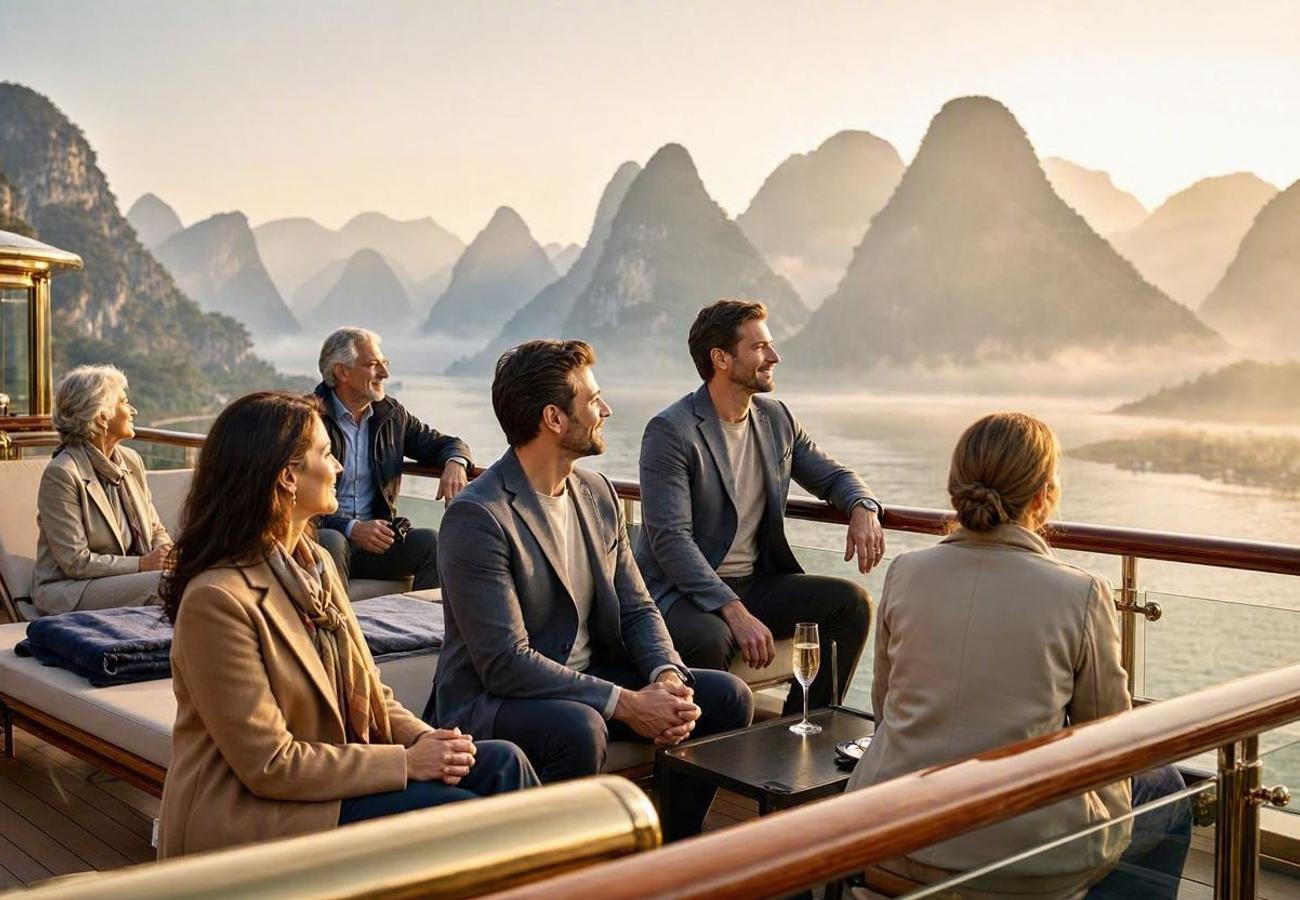
Image generated by AI
A 56.8 percent year-on-year surge in international passengers on the Yangtze River signals a fundamental restructuring of China's inland waterway economy. This spike represents a deliberate pivot by the Chinese tourism sector to move away from mass-market sightseeing toward a high-margin, luxury-centric model. By repositioning the Yangtze and Pearl Rivers as premium leisure corridors rather than mere transport arteries, China is attempting to capture a larger share of the global high-net-worth travel market.
The Dual-Core Network: Yangtze and Pearl River Dynamics
The current expansion of China's river tourism is anchored by a "dual-core" strategy focusing on the Yangtze in the center and the Pearl River in the south. This geographical concentration allows the state to optimize infrastructure and hospitality services around the most iconic landscapes and urban hubs.
The Yangtze River, specifically the Three Gorges region, has transitioned from a transit route into a destination experience. This shift is supported by a robust fleet of inter-provincial vessels that integrate heritage sites with modern luxury hospitality. Simultaneously, the Pearl River network serves as the gateway to southern China, bridging the gap between high-density urban landscapes and coastal tourism zones. Together, these waterways are redefining the leisure economy of the region, moving toward an integrated model that combines accommodation, entertainment, and cultural immersion.
Capacity and Occupancy: The Hard Data
The scale of this transition is evident in the current vessel counts and passenger capacities. The industry is not merely adding ships; it is optimizing the utilization of existing assets to ensure high occupancy rates.
The following data outlines the current operational capacity of China's primary river cruise networks as of August:
| River System | Operating Vessels | Total Passenger Capacity | Average Occupancy Rate |
|---|---|---|---|
| Yangtze River | 47 inter-provincial vessels | 21,351 travellers | 79.5% (First 7 months) |
| Pearl River | 39 cruise ships | 10,690 passengers | Not Specified |
The Yangtze's 79.5 percent occupancy rate is a critical indicator of market health, suggesting that demand is keeping pace with the rapid deployment of new luxury berths.
The Internationalization of Inland Waterways
The most striking shift in the passenger profile is the aggressive growth of the overseas segment. In 2023, international travelers accounted for a marginal 1.5 percent of total cruise passengers. By 2026, this figure has climbed to 9.8 percent.
On the Yangtze River, the absolute number of foreign visitors reached 117,600. A similar trend is visible in the south; the Guangzhou river liner saw a 75 percent increase in foreign travelers, totaling 61,000 passengers. This influx is being managed through the Ministry of Transport of the People's Republic of China, which oversees the vast inland waterway infrastructure that supports these journeys.
Expert Analysis: The Death of the Economy Cruise
The data reveals a stark divergence in consumer behavior: while luxury cruise passenger numbers along the Three Gorges route rose by 18.2 percent during the first five months of the year, economy cruise passengers plummeted by 21.3 percent. Consequently, luxury experiences now command 86 percent of the market share, up from 82 percent in 2023.
For travelers booking these routes, the direct consequence is a "pricing floor" that has shifted upward. The economy option is effectively being phased out in favor of all-inclusive, high-end packages. This is not an accidental market shift but a calculated move to increase the Average Revenue Per User (ARPU). By targeting a demographic that prioritizes personalized service and premium dining over low-cost transport, operators can maintain profitability even with fewer total passengers.
Furthermore, the demographic is diversifying. While the 60+ age bracket remains the dominant force, there is a measurable trend toward younger, middle-aged travelers seeking "cultural discovery" and "adventure." This requires operators to pivot their onboard programming—moving away from passive sightseeing toward active, experiential luxury.
The logistical backbone of this growth is staggering. China's inland waterway network consists of 128,700 kilometers of navigable waterways, with 68,600 kilometers officially classified. With 16,540 commercial operation berths available, the physical capacity for expansion is nearly limitless. This infrastructure, regulated by standards often aligned with the International Maritime Organization (IMO), ensures that the luxury pivot is supported by safe and efficient port operations.
Key Takeaways
- Luxury Dominance: Luxury cruises now account for 86% of the Three Gorges market, while economy passenger numbers have dropped by 21.3%.
- International Surge: Overseas passengers on the Yangtze River grew by 56.8% year-on-year, now making up 9.8% of total passengers.
- Capacity Metrics: The Yangtze River supports 47 vessels with a capacity for 21,351 passengers, maintaining a strong 79.5% occupancy rate.
- Southern Growth: The Pearl River network is the second-largest in China, with 39 ships and a 75% increase in foreign passengers via the Guangzhou liner.
- Infrastructure Scale: The industry is backed by 128,700 kilometers of navigable waterways and over 16,500 commercial berths.
FAQ: China River Cruises 2026
Is the economy cruise option still available on the Yangtze River? Economy options are rapidly declining, with passenger numbers dropping by 21.3%. Most operators are pivoting to luxury models, meaning travelers should expect higher baseline prices and a focus on premium, all-inclusive packages.
Which river is better for international tourists: Yangtze or Pearl? The Yangtze is ideal for those seeking natural landscapes and the Three Gorges' heritage. The Pearl River is better for those wanting to explore southern urban centers and coastal regions. Both have seen significant increases in foreign visitor capacity.
Are China's river cruises suitable for younger travelers? Yes. While historically popular with retirees (60+), operators are now introducing diverse products combining adventure and culture to attract younger and middle-aged demographics.
How many passengers can the Yangtze River cruise fleet handle? As of August, the 47 inter-provincial vessels on the Yangtze River have a combined passenger capacity of 21,351 travelers.
The era of the budget river tour in China is ending; the era of the floating luxury hotel has arrived.
Related Travel Guides
Disclaimer
This article is for informational and educational purposes only. It does not constitute legal, financial, or professional advice. While we strive to provide accurate and up-to-date information, travel policies, regulations, and conditions change rapidly. Always verify information with official sources before making travel decisions. Nomad Lawyer makes no representations about the accuracy, reliability, completeness, or suitability of the information provided. Readers should consult qualified professionals for advice specific to their circumstances. The views expressed in this article are those of the author and do not necessarily reflect the views of Nomad Lawyer.
Naina Thakur
Contributor & Travel Specialist
Travel enthusiast and legal writer covering visa regulations, responsible tourism, and cultural journeys across global destinations.
Learn more about our team →