
Resumption of the China–New Zealand Year of Tourism Initiative Restores Bilateral Connections, Launching Cultural Programs at Te Papa: Everything You Need to Know
The China–New Zealand Year of Tourism has been resumed, launching at Te Papa to foster regional travel, economic recovery, and tourism diplomacy.

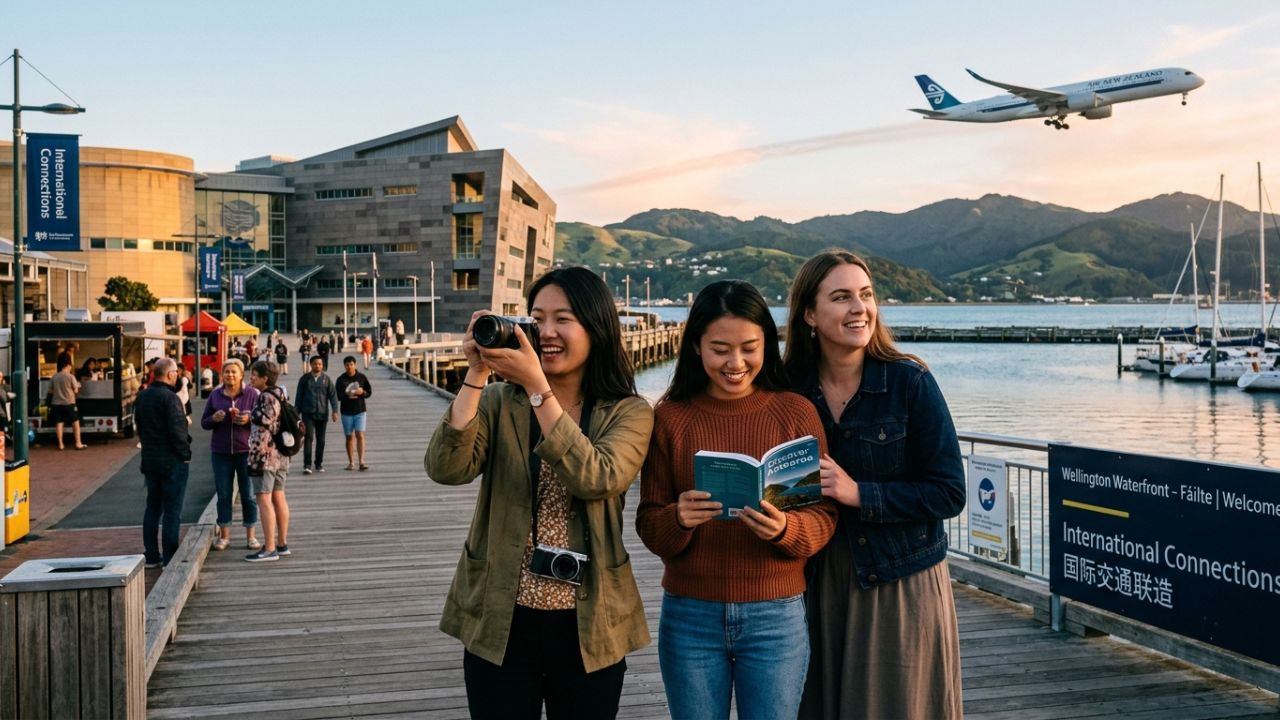
Image generated by AI
Published on June 23, 2026
The official revival of the China–New Zealand Year of Tourism has opened a renewed chapter in diplomatic and economic cooperation between the two Asia-Pacific nations. Originally postponed due to political tensions, the program has been reinstated to foster people-to-people exchanges and trade. To mark this milestone, a formal launch ceremony will be held at Te Papa, bringing together policymakers, tourism operators, and business groups.
Quick Summary
- Bilateral Initiative Resumed: The China–New Zealand Year of Tourism has been officially revived after an earlier postponement, signaling renewed bilateral cooperation.
- Te Papa Launch Ceremony: Then-Prime Minister Jacinda Ardern announced that the national museum, Te Papa, will host the official launch event.
- High-Level Chinese Delegation: China’s tourism minister will lead a state delegation to New Zealand to discuss travel expansion and institutional investments.
- Diplomatic Bridge Function: The resumption acts as a constructive channel for dialogue, helping bypass recent political and diplomatic tensions.
- Economic and Cultural Objectives: The partnership aims to boost visitor spending in hospitality, retail, and transport while promoting joint cultural exhibitions.
This dramatic rise in bilateral cooperation is being analyzed by national and state tourism departments. According to diplomatic frameworks supported by New Zealand's Ministry of Foreign Affairs and Trade (MFAT), the resumption of the initiative serves as a major mechanism to support regional tourism recovery. By prioritizing cross-border cultural events and high-level delegation exchanges, both governments seek to create a platform for constructive dialogue, using travel as a bridge during periods of broader political discussion.
Event and Incident Details: Launching the China–New Zealand Year of Tourism at Te Papa
The revived program is structured as a multi-layered platform to promote cultural routes, museum partnerships, and business investments. Then-Prime Minister Jacinda Ardern announced that the official launch ceremony will take place at Te Papa (the Museum of New Zealand), highlighting the cultural dimension of the travel partnership. Concurrently, a Chinese state delegation, led by China's tourism minister, will travel to New Zealand to hold high-level meetings focused on expanding flight routes and tourism-related services.
The following table provides an overview of the key operational phases and objectives of the tourism initiative:
| Initiative Phase / Element | Primary Locations Involved | Key Leadership / Participants | Core Strategic Objectives |
|---|---|---|---|
| Launch Ceremony | Te Papa (National Museum), Wellington | Then-Prime Minister Jacinda Ardern, tourism officials | Highlight cultural dimensions and historical heritage |
| Chinese State Delegation | Wellington, regional travel corridors | China’s tourism minister, business representatives | Explore flight corridors, transport links, and investments |
| Bilateral Partnerships | Regional hospitality and cultural centers | Tourism operators, airlines, hotel groups | Boost visitor flows and joint museum exhibitions |
| Economic Expansion | Nationwide retail and service sectors | Local merchants, hospitality networks | Channel tourist expenditures directly to rural zones |
This coordinated effort is designed to showcase the unique natural landscapes and indigenous heritage of both countries, facilitating direct communication between travel operators and regional businesses.
Risk and Impact: Key Operational Pressures and Diplomatic Considerations
Regional economic planners and travel operators are tracking several risks and operational factors associated with this bilateral revival:
- Prior Program Postponements: Diplomatic tensions and political friction between Wellington and Beijing previously triggered uncertainty and delayed the tourism initiative.
- Economic Inactivity from Border Closures: Delays in regional travel flows restrict mutual trade, hospitality revenues, and employment growth in hospitality and transport.
- Diplomatic Context Volatility: Future geopolitical challenges remain a risk that could impact institutional partnerships and tourism mobility.
- Accommodation and Transport Capacity Constraints: Spikes in regional travel demand require local infrastructure readiness to prevent service strain.
What Authorities and Tourism Boards Are Saying
Bilateral coordinators have emphasized that the program provides an important platform for low-impact, sustainable tourism. Representatives from national tourism boards noted that visitor spending supports local tax bases while promoting mutual understanding between communities.
Diplomatic observers suggest that resuming the program indicates a shared desire for continued engagement. High-level state representatives have highlighted that tourism diplomacy serves as a constructive avenue for communication, enabling both countries to explore trade and cultural opportunities even during periods when broader political challenges may exist.
Practical Traveler Advice: Engaging with the China–New Zealand Year of Tourism
Travelers planning journeys between China and New Zealand should incorporate these guidelines:
- Verify Visa Requirements Early: Monitor immigration portals for updated visitor visa processing times during high-volume periods.
- Visit te Papa Launch Exhibits: Attend the national museum in Wellington to experience the program's dedicated cultural and heritage exhibitions.
- Pre-Book Flight Connections: Secure air tickets early, as the Chinese delegation’s focus on new corridors will gradually roll out scheduled flights.
- Explore Regional Ecotourism Paths: Support rural businesses and community lodges to help distribute visitor spending beyond main urban gates.
- Monitor Diplomatic Travel Advisories: Keep updated on travel guidelines issued by official foreign affairs portals for real-time corridor statuses.
Broader Context: Tourism as a Bridge Between Nations
The resumption of the program mirrors a wider global trend where tourism functions as a tool for international relations. Beyond vacation metrics, cross-border travel fosters educational interactions, business development, and personal connections. In the case of China and New Zealand, reciprocal visits contribute to a better understanding of each nation's traditions, values, and contemporary lifestyles, providing a foundation for bilateral stability.
What to Expect Next and Looking Ahead
Looking forward, both countries plan to implement targeted marketing campaigns to promote lesser-known cultural routes. Airline operators are expected to expand direct transcontinental flights to connect major economic hubs. Planners anticipate that the launch at Te Papa and the planned delegation visits will lead to long-term partnerships between museums, universities, and regional transport groups, strengthening the future of bilateral relations.
Conclusion Paragraph
The revival of this major tourism initiative highlights the strong role travel plays in international diplomacy. While broader political discussions continue, the program provides a practical bridge for cultural and economic exchange. Travelers who take advantage of these new opportunities can look forward to rich cultural experiences and streamlined regional access.
Related Travel Guides
Europe Unveils New Coolcation Corridor for Summer Tourism in 2026
The 10 Best Things to Do in Wellington, According to Reddit
Disclaimer: Travel regulations, visa processing requirements, and bilateral entry protocols between China and New Zealand are subject to change. Travelers are advised to verify flight availability, national museum schedules, and consulate updates before finalizing itineraries.
FAQ: China–New Zealand Tourism Revival 2026
What is the China–New Zealand Year of Tourism initiative?
It is a bilateral program designed to celebrate cultural exchange, people-to-people connections, and tourism diplomacy between China and New Zealand.
Where is the official launch ceremony of the initiative being held?
The launch ceremony will be hosted at Te Papa, New Zealand’s national museum located in Wellington, highlighting the cultural dimensions of the partnership.
Who is leading the Chinese delegation to New Zealand?
The delegation is led by China's tourism minister, focusing on high-level meetings to expand travel flows, flight routes, and institutional partnerships.
How does this tourism revival impact the regional economy?
It drives significant economic growth by increasing visitor spending across the accommodation, retail, food services, and transport sectors in both nations.
Why was the tourism program postponed previously?
The program experienced earlier postponements due to diplomatic tensions and broader political discussions, but its resumption signals a renewed commitment to cooperation.
Disclaimer
This article is for informational and educational purposes only. It does not constitute legal, financial, or professional advice. While we strive to provide accurate and up-to-date information, travel policies, regulations, and conditions change rapidly. Always verify information with official sources before making travel decisions. Nomad Lawyer makes no representations about the accuracy, reliability, completeness, or suitability of the information provided. Readers should consult qualified professionals for advice specific to their circumstances. The views expressed in this article are those of the author and do not necessarily reflect the views of Nomad Lawyer.
Kunal K Choudhary
Co-Founder & Contributor
A passionate traveller and tech enthusiast. Kunal contributes to the vision and growth of Nomad Lawyer, bringing fresh perspectives and driving the community forward.
Learn more about our team →