
Honolulu Flight Disruptions Ripple Across US Mainland Through April 2026
Spring storms, airport construction, and airline scheduling strain are triggering widespread Honolulu flight disruptions with cascading effects on mainland connections. Travelers face delays, cancellations, and rebooking challenges through April 2026.

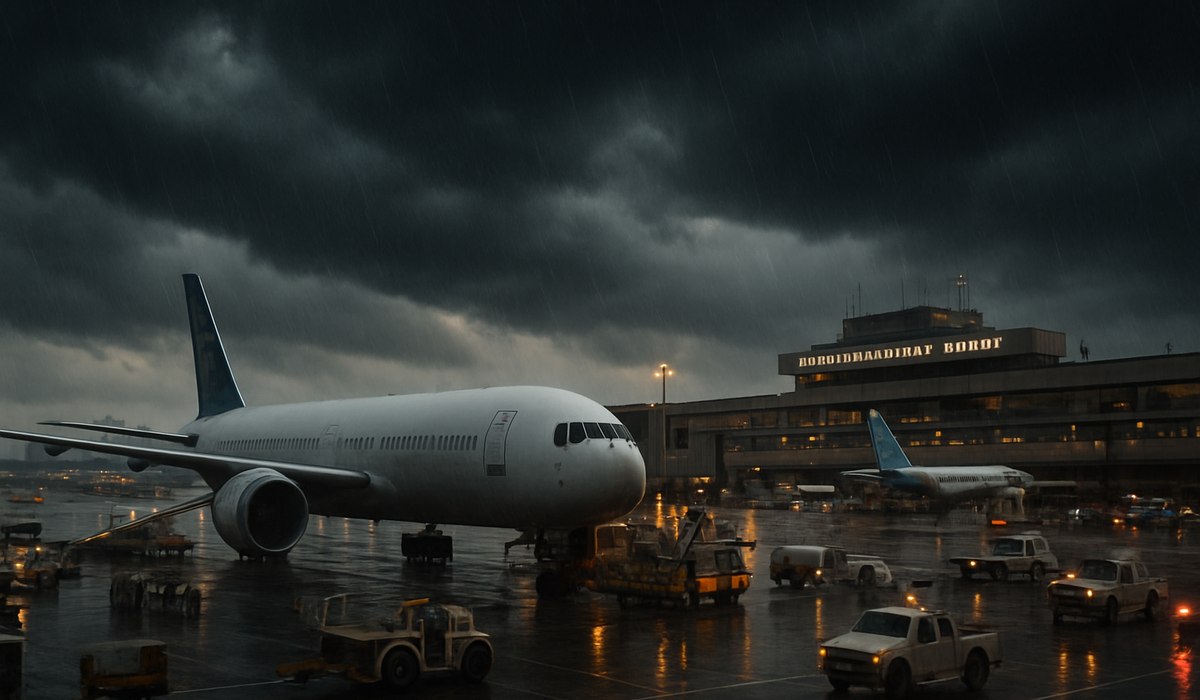
Image generated by AI
Severe Spring Weather and Construction Converge on Hawaii-Mainland Routes
Honolulu Daniel K. Inouye International Airport is experiencing unprecedented operational strain as multiple disruptive factors collide during peak spring travel season. Heavy precipitation, gusty winds, and ongoing airfield construction have created a perfect storm of delays affecting thousands of passengers on trans-Pacific routes. The cascading effects of these honolulu flight disruptions are now rippling across mainland hubs from Los Angeles to Seattle, stranding travelers and overwhelming rebooking capacity throughout April 2026.
State emergency agencies and aviation authorities confirm that severe spring weather systems across Oahu have triggered ground delays, aircraft repositioning challenges, and missed connections for travelers throughout the continental United States. Airlines operating Hawaii-mainland routes report limited flexibility for passenger accommodations as spring break demand keeps flights fully booked. The convergence of weather, infrastructure work, and network-wide capacity constraints has created a compounding crisis for both leisure and business travelers.
Spring Storms Compound Trans-Pacific Travel Chaos
March and early April 2026 brought intense precipitation and wind events to the Hawaiian Islands, directly impacting airport operations and ground transportation around Honolulu. Heavy rain and gusty conditions forced airlines to implement weather-related ground stops and adjust departure sequences, leaving aircraft and crews waiting for safer conditions.
These meteorological challenges arrived during peak spring break season when demand for Hawaii routes reached seasonal highs. Flights were booked near capacity, limiting airlines' ability to distribute disrupted passengers across alternative flights. Travel waivers issued by major carriers allowed some passengers to modify itineraries without fees, but tight capacity meant most travelers faced extended waits for available seats returning to West Coast cities like Los Angeles and San Francisco.
Ground delays and aircraft repositioning issues frequently cascaded into missed mainland connections. When flights finally departed Honolulu, late arrivals into major hubs created knock-on delays for onward continental flights. Passengers heading to secondary destinations in the Mountain West and beyond experienced multiplied delays as the disruption rippled across airline networks.
Current weather forecasts show occasional calmer periods through April, though state meteorologists warn additional unstable systems remain possible. This prolonged forecast uncertainty keeps the potential for renewed disruptions on the table for both residents and visitors planning Hawaiian travel.
Capacity Constraints Limit Passenger Re-accommodation Options
Spring travel demand has compressed available capacity at both Honolulu and mainland connection points. Airlines operating Hawaii routes typically fly larger wide-body aircraft to accommodate seasonal passenger volumes, yet even these high-capacity flights are booked near maximum loads during spring break.
When weather or construction delays reduce daily flight frequency, airlines lack adequate spare seats to re-accommodate stranded passengers on subsequent departures. Travelers hoping for same-day rebooking often find mainland connections already full or departing before feasible connection times.
This capacity crisis extends beyond trans-Pacific flights. Major mainland hubs serving as connection points—including Los Angeles, San Francisco, and Seattle—experience their own seasonal congestion during spring. Passengers missing primary connections struggle to find alternative routing to final destinations without incurring significant delays or accepting less convenient flight times.
Airlines have responded by allowing additional ground time at Honolulu and adjusting schedule buffers, but these capacity constraints mean even minor operational hiccups quickly translate into departure delays. The compressed margins provide little absorption capacity for unexpected disruptions.
Runway Works Tighten Operational Margins at Honolulu Airport
The Hawaii Department of Transportation is executing critical infrastructure improvements at Honolulu's primary runway and taxiway systems during April 2026. Daily repaving work on Taxiway G—a key operational corridor between multiple gates in one of the airport's busiest concourses—is reducing available ground movement space.
These modernization efforts include adjusted taxi routes, altered gate assignments, and tighter spacing between arriving and departing aircraft. While long-term safety and reliability benefits justify the work, short-term operational efficiency has decreased substantially.
Airlines have adjusted flight schedules and increased ground time allocations to accommodate construction constraints. However, any unplanned disruption—thunderstorms, equipment failures, crew timing issues—more rapidly translates into cascading delays when airfield capacity is already constrained by infrastructure work.
For mainland-bound travelers, modest slowdowns at Honolulu now have amplified effects across entire airline networks. Late departures from the islands can push long trans-Pacific flights into overnight or early-morning arrival windows at mainland hubs, where gate availability and connection windows are already compressed by high seasonal demand.
Airport modernization documents emphasize that these upgrades position Honolulu for more resilient future operations. Currently, however, passengers are advised to expect gate changes, schedule adjustments, and longer-than-normal ground times while construction continues through April.
Cascading Delays Ripple Across Continental US Connections
The disruption emanating from Honolulu arrives in a continental aviation system already experiencing operational strain. Recent months brought staffing challenges, weather-related shutdowns at key mainland hubs, and temporary federal funding lapses affecting aviation agencies and security operations.
Major airports from Boston to Denver reported waves of cancellations and delays linked to winter and early spring storms in preceding weeks. TSA checkpoints at several major hubs experienced fluctuating security wait times as staffing levels lagged behind surging passenger volumes. Airlines deployed new digital tools for monitoring security queues and rebooking disrupted travelers.
When Honolulu-originating flights feed into this already-strained environment, small schedule deviations create disproportionate downstream effects. Passengers arriving late into congested mainland hubs find limited same-day rebooking options, particularly on popular routes to secondary and regional airports.
This dynamic has created real hardship: travelers missing red-eye connections, overnight airport stays, and last-minute hotel searches in unfamiliar mainland cities. The ripple effect demonstrates how regional disruptions quickly magnify across interconnected airline networks during high-demand travel periods.
| Disruption Factor | Primary Impact | Affected Airports | Timeline | Passenger Count |
|---|---|---|---|---|
| Spring storm systems | Ground delays, aircraft repositioning | HNL, LAX, SFO, SEA | March–April 2026 | 15,000+ daily |
| Taxiway G repaving | Reduced ground capacity, gate changes | HNL, connecting hubs | Daily through April | 8,000+ per day |
| Spring break demand | Limited rebooking capacity | HNL, mainland hubs | March–April peak | 85%+ flight occupancy |
| Mainland weather delays | Cascading missed connections | Denver, Boston, Chicago | Preceding weeks | 3,000+ cumulative |
| TSA staffing fluctuations | Extended security queues | Major continental hubs | Ongoing | Variable wait times |
| Federal funding lapse effects | Temporary operational constraints | Multiple agencies | Early April | System-wide impact |
What This Means for Travelers: Actionable Steps
The convergence of honolulu flight disruptions through April 2026 requires proactive planning and flexibility from Hawaii-bound and Hawaii-departing passengers.
-
Book with maximum flexibility. Choose airlines and fares allowing free rebooking and date changes. Premium cabin bookings and tickets from carriers offering robust change policies provide crucial cushion when disruptions occur.
-
Allow substantial connection buffers. If connecting through Honolulu to mainland destinations, plan minimum three-hour connection windows rather than standard two-hour minimums. Construction-related ground delays can compress tight connections.
-
Monitor weather forecasts continuously. Check National Weather Service and airline-specific alerts throughout April. Early awareness of incoming systems allows voluntary schedule changes before disruptions cascade.
-
Register for airline notifications. Enable SMS and email alerts from your carrier for real-time disruption updates, gate changes, and rebooking information.
-
**Pack medications and ess
Disclaimer
This article is for informational and educational purposes only. It does not constitute legal, financial, or professional advice. While we strive to provide accurate and up-to-date information, travel policies, regulations, and conditions change rapidly. Always verify information with official sources before making travel decisions. Nomad Lawyer makes no representations about the accuracy, reliability, completeness, or suitability of the information provided. Readers should consult qualified professionals for advice specific to their circumstances. The views expressed in this article are those of the author and do not necessarily reflect the views of Nomad Lawyer.
Kunal K Choudhary
Co-Founder & Contributor
A passionate traveller and tech enthusiast. Kunal contributes to the vision and growth of Nomad Lawyer, bringing fresh perspectives and driving the community forward.
Learn more about our team →