
China's Jiuzhaigou National Park Evacuations Following Mudslides: Safety Risks at UNESCO World Heritage Site in 2026
Emergency evacuations at Jiuzhaigou National Park in Sichuan Province highlight the escalating climate risks and safety challenges facing mountain tourism in China.

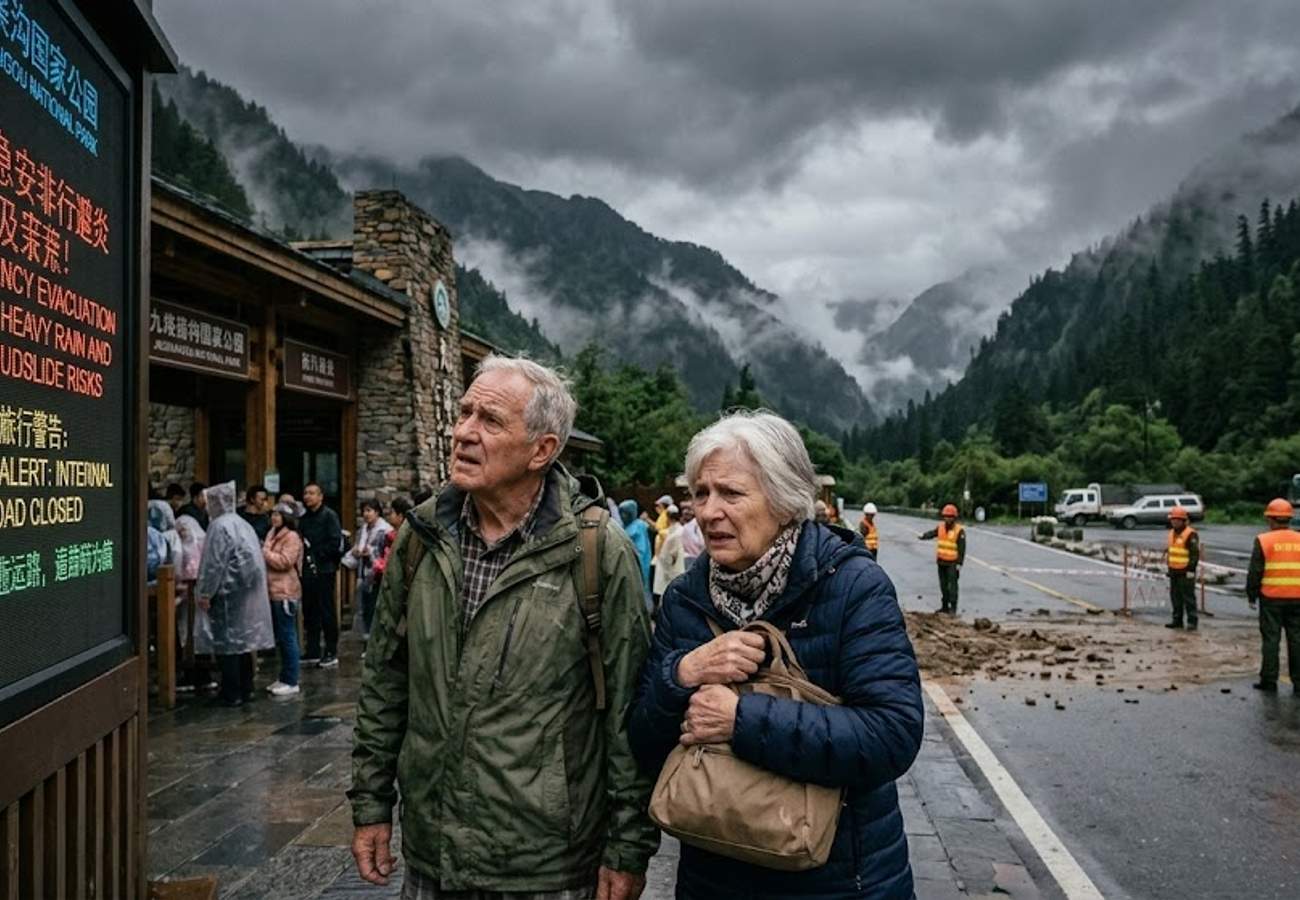
Image generated by AI
[Sichuan, China] — A sudden surge of extreme weather in Sichuan Province has forced the emergency evacuation of visitors from Jiuzhaigou National Park, a premier UNESCO World Heritage site. Heavy rainfall on 26 July 2026 triggered mudslides that obstructed internal transport arteries, prompting authorities to implement immediate safety protocols and restrict access to several high-risk zones.
The incident serves as a stark reminder of the volatility associated with high-altitude nature tourism. While the rescue operations were successful and no casualties were reported, the event has sparked a wider conversation regarding the sustainability of tourism in fragile mountain ecosystems and the increasing unpredictability of climate patterns in the region.
Rainfall and Mudslides Disrupt Sichuan Transport Networks
The Jiuzhaigou Scenic Area management authority confirmed that intense, short-duration rainfall on 26 July 2026 led to mudslides that blocked critical internal roads. Because the park relies on a sophisticated system of shuttle buses and designated walking paths, any blockage in these corridors can quickly strand large numbers of tourists in remote sections of the park.
In response, officials activated emergency evacuation measures to move visitors out of affected areas in an orderly fashion. This rapid response underscores a shift toward "precautionary closures," where authorities prioritize immediate safety over maintaining operational hours. By restricting access to unstable zones, the park management aimed to prevent potential injuries and ensure that the rescue of stranded visitors could be conducted without further risk.
Balancing UNESCO Heritage Preservation with Mass Tourism
Located within the Aba Tibetan and Qiang Autonomous Prefecture, Jiuzhaigou is globally renowned for its vivid turquoise lakes, dramatic waterfalls, and snow-capped peaks. Its status as a UNESCO World Heritage site makes it a centerpiece of China's ecological conservation efforts and a primary draw for both domestic and international travelers.
However, this global recognition brings a complex set of management challenges. The need to protect a delicate mountain ecosystem while accommodating millions of visitors requires constant infrastructure upgrades and rigorous environmental monitoring. The recent mudslides highlight that even the most well-managed sites are susceptible to natural disasters, necessitating a continuous evolution of disaster prevention systems to safeguard the site's integrity and the lives of those visiting it.
Climate Volatility and the Future of Mountain Destinations
The disruptions at Jiuzhaigou are not isolated incidents but are reflective of a global trend where mountain tourism is becoming increasingly hazardous. Destinations characterized by steep valleys, dense forests, and river systems are seeing a rise in sudden landslides and extreme precipitation events.
For the modern traveler, this means that the "adventure" aspect of nature tourism now carries a higher degree of logistical risk. These weather events do more than just block roads; they disrupt hotel operations, cancel hiking permits, and shake consumer confidence in remote travel. As climate patterns shift, the ability of a destination to manage these risks will likely become a primary factor in its long-term competitiveness and appeal to international tourists.
Evolution of Safety Protocols Across Chinese Scenic Areas
In recent years, China has scaled up safety management across its most popular natural attractions. Following similar weather-related closures at sites like Zhangjiajie National Forest Park in Hunan Province, there has been a visible move toward more aggressive safety interventions.
Current strategies include:
- Real-time Infrastructure Audits: Regular checks on bridges, slopes, and walkways to identify vulnerabilities before they fail.
- Dynamic Visitor Caps: Adjusting the number of daily entries based on weather forecasts to prevent overcrowding during emergencies.
- Rapid-Response Notifications: Utilizing digital platforms to issue immediate travel warnings to tourists and tour operators.
This transition indicates that tourism authorities are moving away from a "business-as-usual" approach and toward a model that balances economic gain with environmental protection and visitor safety.
Economic Implications for Local Sichuan Tourism Businesses
The local economy surrounding Jiuzhaigou is heavily reliant on a seasonal influx of spending. Hotels, restaurants, and local transport providers operate on tight margins during peak periods, and temporary closures can lead to significant revenue losses. When accommodation is booked months in advance, a sudden closure creates a ripple effect of cancellations and refund requests.
Despite these short-term financial hits, industry observers suggest that controlled closures are a strategic necessity. An accident involving international tourists would cause far more lasting damage to the destination's brand than a temporary weather-related shutdown. By prioritizing safety, Jiuzhaigou preserves its long-term value and ensures that it remains a viable destination for future generations.
Essential Guidance for International Visitors to Jiuzhaigou
For those planning a journey to this remote region of Sichuan, the recent events highlight the necessity of a flexible itinerary. Natural landscapes can change in an instant, and visitors should not rely solely on static travel guides.
Travelers are advised to:
- Monitor Official Channels: Check the latest announcements from the scenic area management and local government authorities before departure.
- Secure Comprehensive Insurance: Ensure travel insurance specifically covers weather-related disruptions and emergency evacuations.
- Maintain Flexibility: Build "buffer days" into the schedule to account for potential road closures or temporary site restrictions.
- Follow Local Directives: Adhere strictly to the instructions of park rangers and emergency personnel during a visit.
Strategic Shift Toward Sustainable and Resilient Tourism
The mudslide event at Jiuzhaigou is a catalyst for a broader shift in how China approaches sustainable tourism. The integration of early warning systems and climate adaptation measures is no longer optional but essential for the survival of nature-based tourism.
The priority for Jiuzhaigou moving forward will be the investment in resilient infrastructure—such as reinforced slopes and better drainage systems—to mitigate the impact of extreme rainfall. By connecting emergency systems with conservation policies, the park can continue to showcase its natural beauty without compromising the safety of the millions who come to witness it.
The intersection of climate volatility and high-altitude travel demands a new era of vigilance for the global wanderer.
Related Travel Guides
Disclaimer
This article is for informational and educational purposes only. It does not constitute legal, financial, or professional advice. While we strive to provide accurate and up-to-date information, travel policies, regulations, and conditions change rapidly. Always verify information with official sources before making travel decisions. Nomad Lawyer makes no representations about the accuracy, reliability, completeness, or suitability of the information provided. Readers should consult qualified professionals for advice specific to their circumstances. The views expressed in this article are those of the author and do not necessarily reflect the views of Nomad Lawyer.
Raushan Kumar
Founder & Lead Developer
Full-stack developer with 11+ years of experience and a passionate traveller. Raushan built Nomad Lawyer from the ground up with a vision to create the best travel and law experience on the web.
Learn more about our team →