
Chile Post-Fiestas Patrias Travel 2026: Santiago to Viña del Mar Corridor and Airport Reset

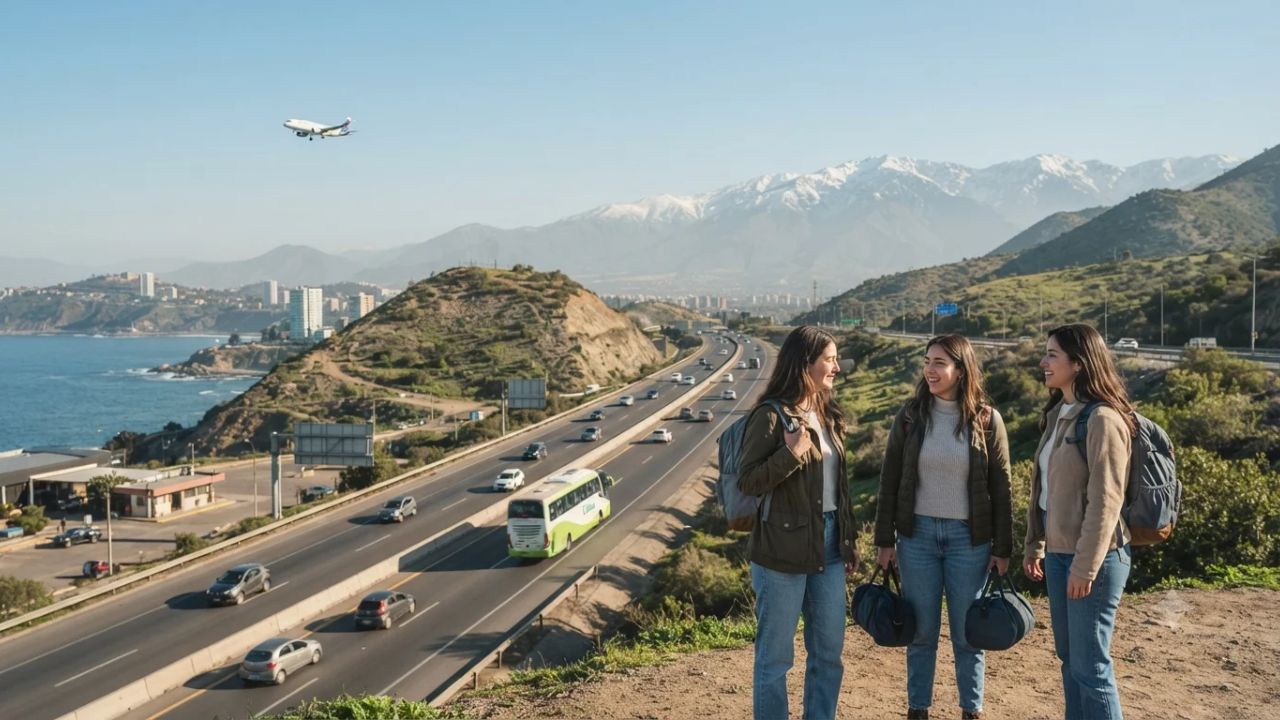
While over 1.32 million domestic travelers surged across Chile during the national Fiestas Patrias holiday, the critical transition on September 21, 2026, marks the immediate return to standard highway operations between the Pacific coast and Santiago. As extraordinary toll reductions, heavy-truck bans, and holiday transport patrols officially expire, international visitors navigating the iconic corridor between coastal Viña del Mar and Santiago’s Arturo Merino Benítez Airport must adjust to routine logistics and standard transit schedules.
Fiestas Patrias represents the cultural and economic summit of Chile's early spring. With approximately 690,000 passengers passing through Santiago’s international airport between 11 and 20 September—peaking at over 71,000 travelers on 17 September alone—the post-celebration reset illustrates how Chile manages one of South America's most concentrated travel migrations. For travelers exploring the vineyards of the Casablanca Valley, the bohemian hills of Valparaíso, and the capital's historic plazas, understanding this seasonal handover ensures seamless overland journeys.
The September 21 Reset: Route 68 and Airport Logistics
The massive movement of travelers during Fiestas Patrias is heavily concentrated across Central Chile. Official data from the Subsecretaría de Turismo projected between 1,105,823 and 1,323,043 overnight domestic trips between 17 and 19 September 2026—a surge of 7.8% to 29% compared to the same holiday window in 2025. The Metropolitan Region around Santiago originated 46.8% of all national holiday trips, while the coastal Valparaíso Region captured 23% of total destination arrivals, led by Viña del Mar with up to 32,709 individual visitor stays.
To manage the outbound exodus of roughly 407,000 private vehicles and more than 7,000 intercity buses, the Ministry of Public Works (MOP) deployed emergency traffic measures along Route 68 through Sunday, 20 September. These included subsidized 1,000-peso tolls for light vehicles during off-peak hours, 50% toll cuts for overnight freight, and temporary contraflow lanes through the Lo Prado and Zapata tunnels.
Starting on 21 September 2026, these exceptional highway arrangements have fully concluded. Intercity transit operators have returned to normal weekday pricing and schedules, while regional bus terminals in Santiago (Terminal Alameda and Terminal Pajaritos) transition from holiday crowds back to routine commuter flows. Real-time highway conditions and national road safety alerts can be verified through the Ministry of Transport and Telecommunications.
What Makes Central Chile's Post-Holiday Corridors Different
The 120-kilometer transit corridor connecting Santiago to Viña del Mar and Valparaíso is unique in South America for its rapid geographic and climatic transition. Within a 90-minute drive along Route 68, travelers descend from the high Andean foothills of the Mapocho Valley through the cool, maritime-influenced vineyards of the Casablanca Valley down to the Humboldt Current of the Pacific coastline.
Visiting immediately after Fiestas Patrias provides an exceptional travel window. During the national holidays on 18 and 19 September, local communities gather at traditional fondas (open-air festival grounds) to dance the cueca, drink chicha, and share wood-fired empanadas de pino. Once the holiday peak concludes on 21 September, the central coast empties out, leaving coastal promenades, seafood restaurants in Concón, and boutique wineries in Casablanca peaceful and accessible.
At Arturo Merino Benítez International Airport (SCL), international travelers arriving post-holiday encounter a modern, expanded terminal complex. Official airport guidance recommends arriving at the airport two hours prior to domestic departures (such as flights to the Atacama Desert or Patagonia) and three hours before international long-haul flights to North America or Europe.
Visitor Insider Tips
Navigating post-holiday travel across Central Chile requires practical local coordination:
- Calculate Multi-Leg Travel Buffers: If traveling from Viña del Mar directly to catch an international flight at Santiago Airport, allow at least 4.5 to 5 hours of total transit time. While standard highway travel takes 90 minutes, morning commuter congestion entering the capital can add significant delays.
- Use Authorized Airport Ground Transport: When landing at Santiago Airport, only book licensed transfer services (such as Transvip, Taxi Oficial, or Centropuerto airport buses) from inside the official baggage claim arrivals hall. Never accept unverified transport offers from solicitous drivers in the exterior public concourse.
- Pair Coastal Stays with Casablanca Wine Tastings: Break up the overland drive between Valparaíso and Santiago with a cellar-door lunch in the Casablanca Valley. Spring is the start of the vine-budding season, making it an ideal time to sample world-class cool-climate Sauvignon Blanc and Pinot Noir.
- Understand Passenger Rights under JAC Regulations: If your flight experiences airline-caused schedule disruptions exceeding three hours, Chile's Civil Aviation Board (Junta de Aeronáutica Civil) mandates carrier assistance, including rebooking, meals, and hotel accommodations where appropriate.
- Explore Springtime Cultural Valparaíso: Take advantage of light post-holiday crowds to ride the historic funiculars (ascensores) of Cerro Alegre and Cerro Concepción, and visit La Sebastiana, the cliffside home of Nobel laureate poet Pablo Neruda. For nationwide travel guides, consult Chile Travel.
Cultural and Environmental Context
The economic pulse of Fiestas Patrias extends far beyond a long weekend of celebration. According to the Subsecretaría de Turismo, tourism-characteristic industries supported 662,390 jobs in the May–July 2026 quarter—accounting for 7.1% of national employment. Tourism transport alone expanded by 9.4% year-on-year, employing over 91,000 drivers, mechanics, and dispatchers.
Managing massive domestic travel movements without compromising ecological integrity is a primary focus for Chilean environmental authorities. Route 68 traverses sensitive Mediterranean-type sclerophyllous forest biomes that are vulnerable to wildland fire hazards as dry spring conditions approach. During peak travel periods, MOP deploys dedicated clean-up teams along highway verges to remove litter and maintain clear firebreaks.
In coastal Valparaíso and Viña del Mar, municipal programs are working to balance seasonal tourism revenue with marine conservation. Local fishermen's cooperatives (caletas) operate under strict quota management to protect Pacific hake and sea urchin stocks while supplying fresh catch to coastal eateries. By visiting outside peak holiday dates, international travelers help provide consistent year-round income to independent guesthouses, artisans, and transport operators.
FAQ: Traveling in Chile Post-Fiestas Patrias 2026
What changes on Route 68 after September 20?
Special holiday toll discounts, counter-flow traffic lanes, and heavy truck restrictions end, returning the motorway to routine weekday traffic rules.
How early should I arrive at Santiago Airport (SCL)?
Chilean aviation authorities recommend arriving two hours before domestic flights and three hours before international departures.
How long does it take to travel from Viña del Mar to Santiago Airport?
Direct driving or private transfer takes approximately 80 to 100 minutes under normal road conditions, though travelers should budget extra time during morning peak hours.
Are tourist attractions and wineries open after Fiestas Patrias?
Yes, museums, coastal attractions, and Casablanca Valley wineries reopen on standard spring schedules immediately following the national holidays.
As festival banners gently flutter in the coastal breeze, Central Chile enters a serene spring season of quiet Pacific sunsets, awakening vineyards, and open roads.
Related Travel Guides
Disclaimer
This article is for informational and educational purposes only. It does not constitute legal, financial, or professional advice. While we strive to provide accurate and up-to-date information, travel policies, regulations, and conditions change rapidly. Always verify information with official sources before making travel decisions. Nomad Lawyer makes no representations about the accuracy, reliability, completeness, or suitability of the information provided. Readers should consult qualified professionals for advice specific to their circumstances. The views expressed in this article are those of the author and do not necessarily reflect the views of Nomad Lawyer.
Naina Thakur
Contributor & Travel Specialist
Travel enthusiast and legal writer covering visa regulations, responsible tourism, and cultural journeys across global destinations.
Learn more about our team →