
Cap Karoso Resort Hosts Sumba Food Festival 2026: Asia-Pacific Chefs Transform Indonesia's Remote Island
The Sumba Food Festival at Cap Karoso Resort integrates Asia-Pacific culinary masters with indigenous Sumba ingredients to establish a new luxury gastronomy hub in Indonesia.

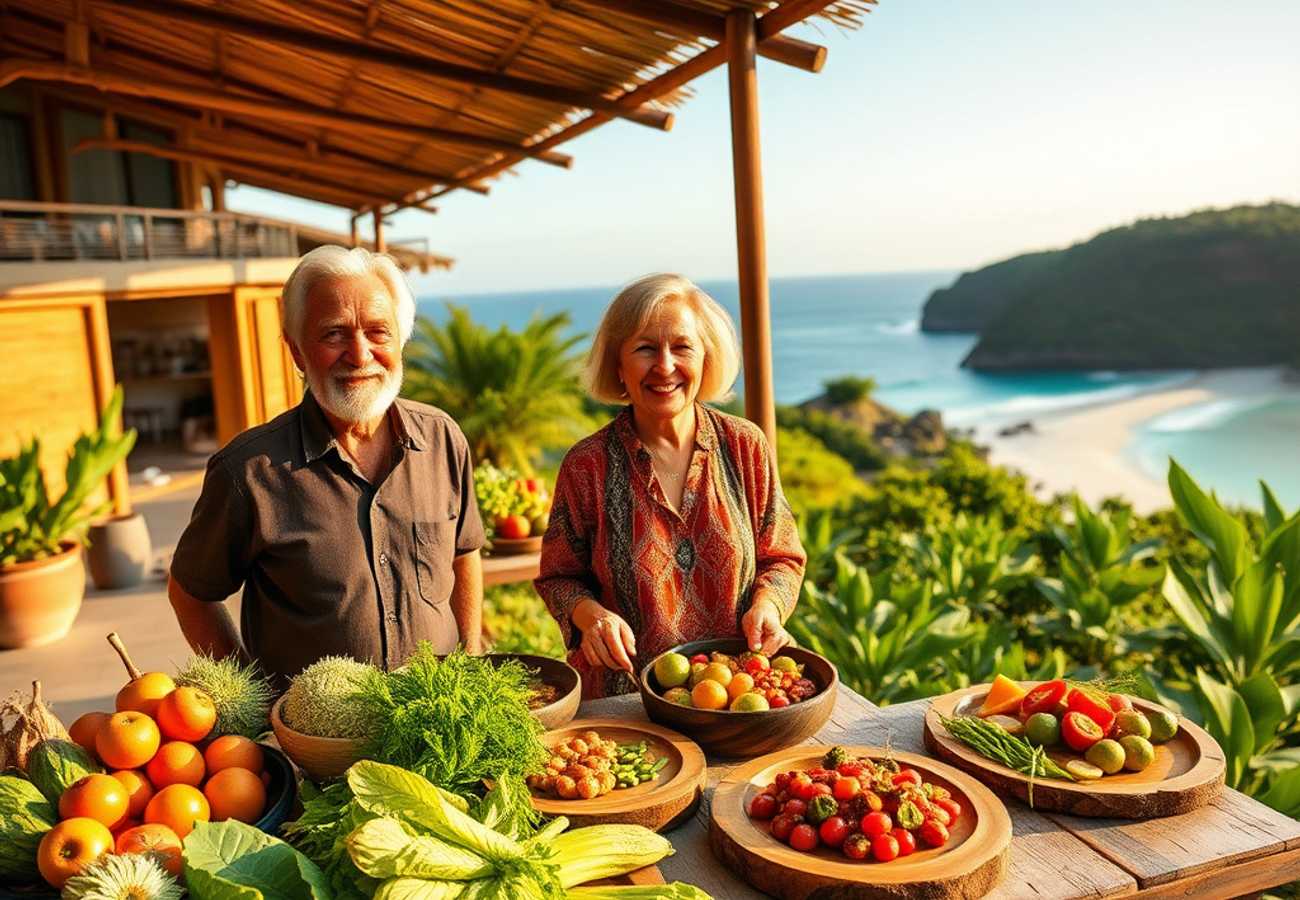
Image generated by AI
Sumba is transitioning from a hidden gem to a global gastronomic hotspot as the Sumba Food Festival leverages the infrastructure of the Cap Karoso luxury eco-resort to merge indigenous ingredients with world-class culinary techniques.
The Core Transit Update: Sumba's Gastronomic Pivot
The Sumba Food Festival has emerged as a strategic effort to diversify Indonesia's tourism portfolio beyond the saturated markets of Bali. Hosted by Cap Karoso—a luxury eco-resort established in 2023—the festival attracts culinary masters from Thailand and the wider Asia-Pacific region to explore and utilize the untouched biodiversity of Sumba.
Unlike traditional food festivals hosted in urban centers, this event is decentralized, focusing on "farm-to-table" logistics. Participating chefs are required to spend several days on the island, sourcing ingredients directly from local markets, coastal fisheries, and the resort's own three-hectare organic farm. This model shifts the focus from imported luxury to indigenous sustainability, promoting rare local herbs, tropical leaves, and ancient cooking methods.
Festival Programming and Route Specifications
The festival is structured around immersive experiences rather than static dining. The following table outlines the primary operational components of the event:
| Experience Type | Primary Activity | Key Participants | Logistics Focus |
|---|---|---|---|
| Four-Hands Dinners | Collaborative menu creation by two chefs | Asia-Pacific Masters & Guests | Intimate, small-group storytelling |
| Sourcing Tours | Early morning fishing and organic farm visits | Local Producers & Chefs | Ingredient discovery and procurement |
| Community Exchange | Traditional recipe sharing and home cooking | Sumba Home Cooks & Experts | Preservation of ancestral knowledge |
| Farm-to-Table Events | Beachside and garden dining | Cap Karoso Guests | Sustainable, zero-kilometer sourcing |
Traveler Logistics Guide: Navigating Sumba
From a ground-level perspective, accessing Sumba requires more deliberate planning than a trip to Bali. The island remains remote, and the infrastructure is designed for low-impact, high-value tourism.
Flight Connections and Entry The primary gateway to Sumba is via short-haul flights from Bali (DPS). Travelers should book these connections well in advance, as capacity is limited compared to major Indonesian hubs. Upon arrival, transit to Cap Karoso is typically handled via private resort transfers, as public transport is not optimized for luxury luggage or tight festival schedules.
Optimal Layover and Timing If connecting from international hubs (such as Singapore or Sydney), a 24-hour buffer in Bali is recommended to account for regional flight volatility. The festival is best experienced during the dry season to ensure accessibility to the remote coastal and farming areas used in the sourcing tours.
Digital Transit and Customs Ensure all Indonesian customs declarations are completed via the official electronic portals before arrival to expedite the process at the airport. While Sumba is remote, digital payments are becoming more common at luxury resorts, but carrying local currency (IDR) is essential for interacting with the local farmers and fishermen during the festival's exploration tours.
Infrastructure Impact Assessment
The Sumba Food Festival is not merely a culinary event; it is an economic catalyst. By positioning the island as a destination for "responsible gastronomy," Cap Karoso is creating a sustainable revenue stream that bypasses the pitfalls of mass tourism.
The financial impact extends beyond the resort. Revenue from the festival is diverted into community projects, specifically targeting:
- Water Infrastructure: Improving clean water access for local villages.
- Agricultural Education: Funding nutrition and sustainable farming workshops.
- Entrepreneurship: Supporting local food producers in scaling their operations for the luxury market.
This shift in tourism strategy transforms Sumba from a passive landscape of megalithic sites and ikat weaving into an active participant in the global luxury economy.
Sumba is proving that the next frontier of luxury travel is defined not by exclusivity, but by authentic connection to the land.
Related Travel Guides
Disclaimer
This article is for informational and educational purposes only. It does not constitute legal, financial, or professional advice. While we strive to provide accurate and up-to-date information, travel policies, regulations, and conditions change rapidly. Always verify information with official sources before making travel decisions. Nomad Lawyer makes no representations about the accuracy, reliability, completeness, or suitability of the information provided. Readers should consult qualified professionals for advice specific to their circumstances. The views expressed in this article are those of the author and do not necessarily reflect the views of Nomad Lawyer.
Preeti Gunjan
Contributor & Community Manager
A passionate traveller and community builder. Preeti helps grow the Nomad Lawyer community, fostering engagement and bringing the reader experience to life.
Learn more about our team →