
Rainy Camping Guidelines: Expert Wilderness Survival Tips
Expert camping shelter techniques, waterproof storage packing, and safety guidelines for wilderness travel during heavy rain.

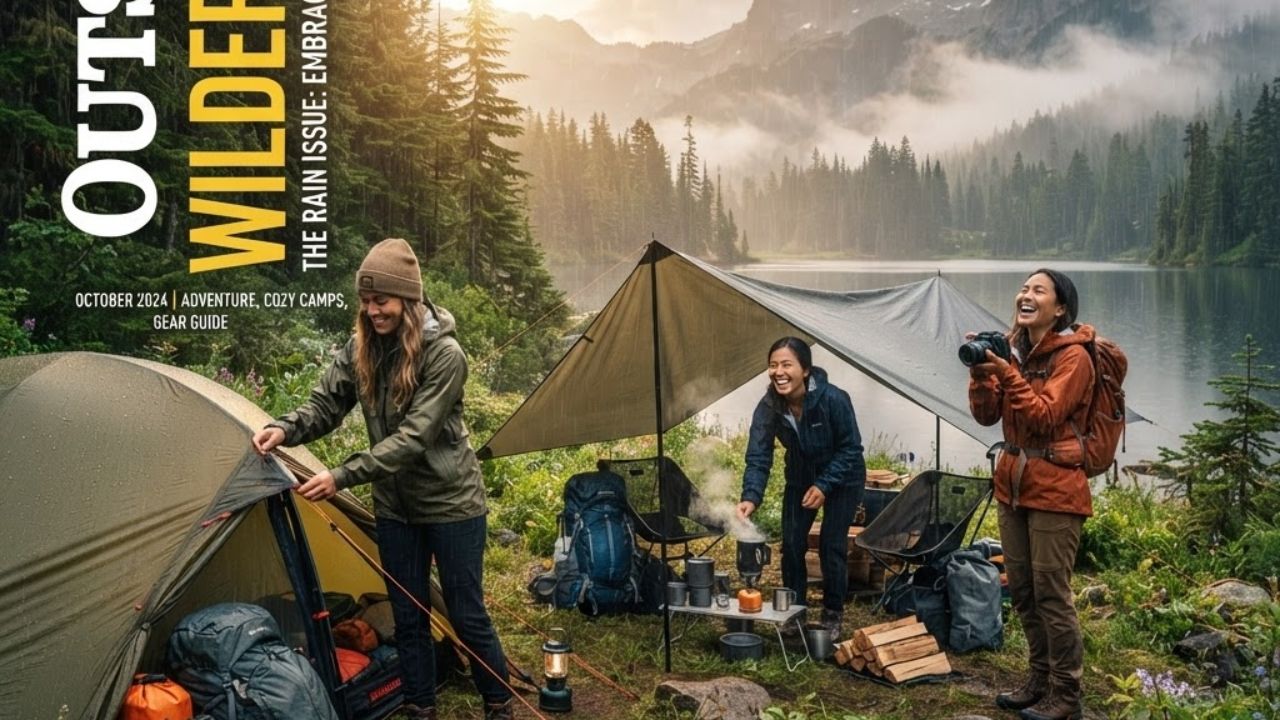
Image generated by AI
Denver, July 26, 2026 — Park safety advisories confirm that rainy camping requires advanced preparation to prevent equipment flooding, trail accidents, and hypothermia. Implementing expert campsite setup techniques makes wilderness adventures viable during downpours.
Search and rescue data indicates that weather anomalies remain a leading cause of wilderness evacuation. Applying structured camp waterproofing, dual-tarp protection barriers, and high-ground selection reduces safety risks and supports comfortable long-stay wilderness excursions.
Camping Shelter Upgrades and Campsite Water Runoff Management
Campers should follow three foundational shelter principles when setting up in wet weather:
- Elevated Tent Groundsheets: Select high, level ground with natural drainage to prevent pooling beneath the tent floor.
- Full-Coverage Rainflies: Extend and stake the rainfly tightly to ensure rain sheds quickly without touching inner mesh walls.
- Dual Tarp Protection: Suspend one overhead tarp as a dedicated dining cover, and place a second over the sleeping shelter. Keep lines angled.
Wet-Weather Camping Gear Storage & Safety Matrix
| Gear Classification | Storage Solution | Best Practice | Trail Safety Advantage |
|---|---|---|---|
| Sleeping Systems | Compression dry sacks | Store away from inner tent walls | Prevents overnight moisture transfer |
| Electronics & Navigation | Waterproof hard cases | Pre-charge battery banks | Maintained navigation during rain |
| Clothing Reserves | Heavy-duty dry bags | Keep dry items separate from wet | Prevents hypothermia risk |
| Campsite Fuel | Covered heavy tarps | Gather dry firewood immediately | Dependable fire-starting resources |
| Food Reserves | Airtight plastic bins | Keep off wet ground surfaces | Protects rations from water rot |
Travel Rights and Weather-Related Flight Interruptions
For travelers booking remote camping holidays or backcountry flights:
- UK261/EU261 Weather Exceptions: If your flight is delayed or canceled due to extreme rain, wind, or lightning, airlines are exempt from paying cash compensation because weather is an extraordinary circumstance.
- Mandatory Duty of Care: Regardless of the weather cause, carriers must provide free meals, refreshments, and hotel accommodation with transport if the cancellation causes an overnight delay.
- Recreation.gov Permit Refunds: If national parks close campsites due to flash flood warnings, travelers are entitled to a full refund of permit fees, though this does not cover secondary travel costs.
- US DOT Domestic Refund Rules: If your domestic connector flight is canceled due to storms, you can request a cash refund to your card if you decide not to proceed with rebooked routes.
Why This Matters
For travelers on this route, the real impact is that because wet clay trails can double your hiking time, trying to reach a remote campsite in the rain requires starting your trek three hours earlier to prevent getting caught in the dark. From a logistical perspective, this means that campers should pack trekking poles to maintain balance on muddy slopes where heavy packs increase slip risks. Backcountry hikers must carry physical topographic maps to handle touchscreens failing when wet.
Industry Outlook
Gear manufacturers are introducing bio-based silicon coatings to seal tent seams without adding extra carry weight. As parks deploy real-time soil moisture sensors at trail gateways, flash flood warning times will decrease. Over the next year, expect booking portals to launch integrated weather warning systems that trigger automatic campsite re-allocations during storms. This automated safety routing will support campers.
Related Travel Guides
Disclaimer
This article is for informational and educational purposes only. It does not constitute legal, financial, or professional advice. While we strive to provide accurate and up-to-date information, travel policies, regulations, and conditions change rapidly. Always verify information with official sources before making travel decisions. Nomad Lawyer makes no representations about the accuracy, reliability, completeness, or suitability of the information provided. Readers should consult qualified professionals for advice specific to their circumstances. The views expressed in this article are those of the author and do not necessarily reflect the views of Nomad Lawyer.
Preeti Gunjan
Contributor & Community Manager
A passionate traveller and community builder. Preeti helps grow the Nomad Lawyer community, fostering engagement and bringing the reader experience to life.
Learn more about our team →