
Chicago Tourism Guide 2026: From World-Class Museums to Legendary Blues Bars
Experience the best of Chicago in 2026, from the heights of the Willis Tower to the historic jazz clubs and culinary hubs of the West Loop.

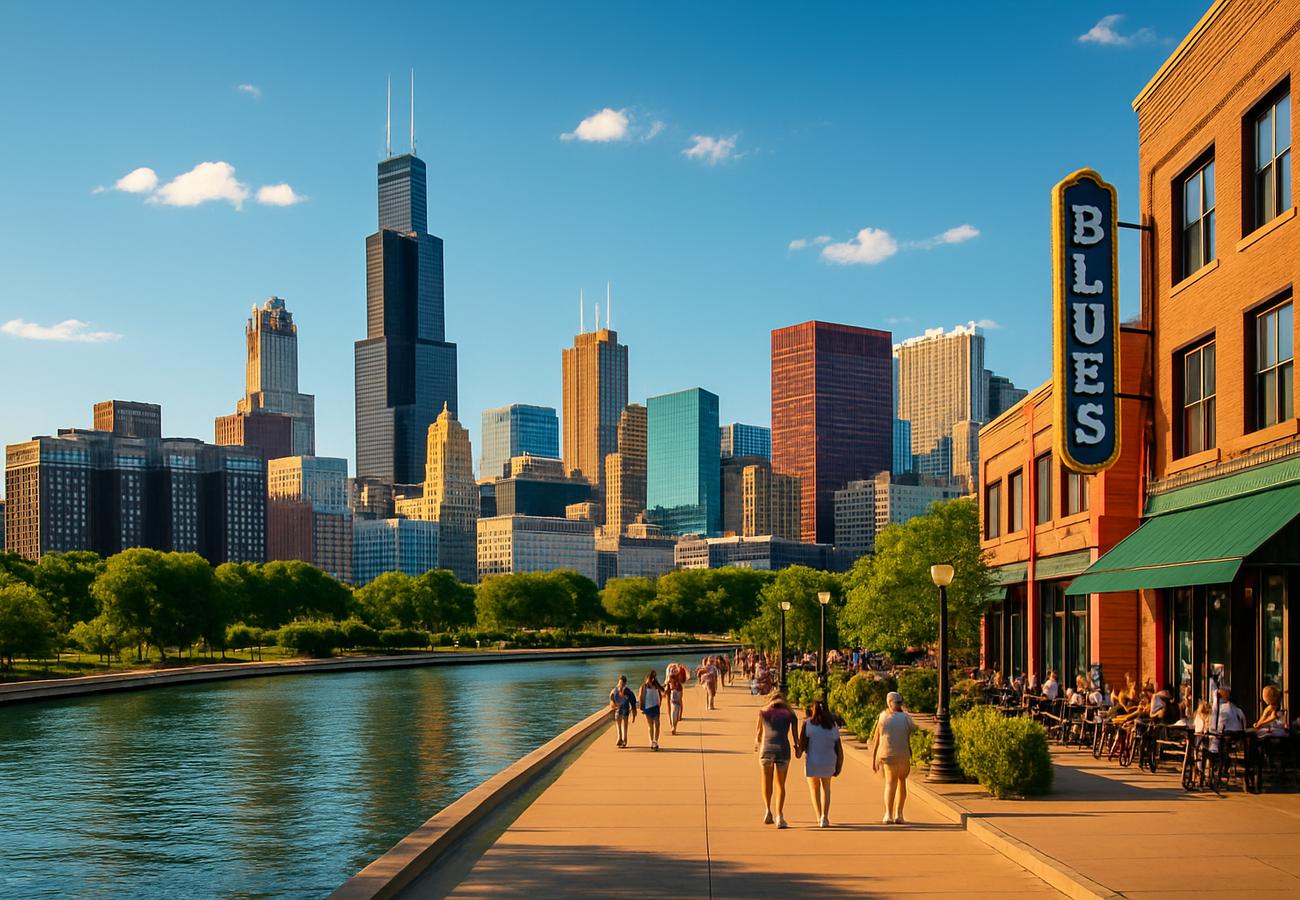
Image generated by AI
Quick Summary
- Iconic Heights: Chicago features legendary skyscrapers including the Willis Tower (Skydeck) at 1,353 feet and the John Hancock Center with its unique "Tilt" attraction.
- Millennium Park: Home to the world-famous Cloud Gate ("The Bean") and a hub for outdoor concerts and public art.
- Musical Heritage: Internationally recognized as the birthplace of modern jazz and blues; home to the Chicago Blues Festival, the world's largest free blues event.
- Culinary Hub: Renowned for deep-dish pizza and Chicago-style hot dogs, with foodie hotspots in the West Loop and Pilsen neighborhoods.
- Museum Culture: Hosts premier institutions like the Field Museum (natural history) and the Art Institute of Chicago (Renaissance to Modern Art).
- Seasonal Travel: The best times to visit for weather and festivals are Spring (April-June) and Fall (September-November).
Chicago, the "Windy City," continues to stand as one of the most dynamic American metropolises in 2026. Situated on the picturesque shores of Lake Michigan, it offers a sophisticated blend of architectural innovation, world-class culture, and a deep-rooted musical legacy. From the vertigo-inducing Skydeck at Willis Tower to the historic, prohibition-era jazz clubs like the Green Mill, Chicago provides an authentic urban experience for every type of traveler. Whether you are navigating the refined galleries of the Art Institute or indulging in the city's legendary culinary scene—from deep-dish pizza to gourmet West Loop dining—the city thrives on its ability to marry its industrial heritage with modern cultural sophistication. As a major hub for festivals and theater, Chicago remains a premier destination for those seeking the perfect mix of American history and contemporary adventure.
Chicago Tourism 2026: Iconic Landmarks, Music Venues, and Seasonal Guide
The following table summarizes the top attractions and essential travel information for visiting Chicago in 2026.
| Category | Top Attractions / Details | Best Time / Venue |
|---|---|---|
| Skyscrapers | Willis Tower (Skydeck) & John Hancock Center | Year-round (Sunset is best) |
| Public Art | Millennium Park & Cloud Gate ("The Bean") | Spring & Summer |
| Museums | Field Museum & Art Institute of Chicago | Year-round (Winter escape) |
| Blues Venues | Buddy Guy’s Legends & Kingston Mines | Nightly performances |
| Jazz Clubs | Green Mill Cocktail Lounge & Jazz Showcase | Historic & Intimate settings |
| Culinary | Deep-Dish Pizza & Chicago-style Hot Dogs | West Loop & Pilsen districts |
| Festivals | Chicago Blues Festival & Taste of Chicago | Summer (June - August) |
| Best Weather | 15°C to 25°C (Mild Temperatures) | April - June & Sept - Nov |
Iconic Landmarks: Scaling the Skyscrapers of the Windy City
Chicago's skyline is defined by its architectural ambition and historic structures:
- Willis Tower: Standing at 1,353 feet, the Skydeck offers panoramic views of four states on clear days.
- John Hancock Center: Features the "Tilt" attraction, where visitors lean out over the city from the 94th floor.
- Millennium Park: A central green space that serves as the city's "front yard," featuring the interactive Crown Fountain and iconic public sculptures.
Cultural Hubs: Art and History at the Field Museum and Art Institute
The city’s museum campus is home to some of the world’s most extensive collections:
- Art Institute of Chicago: Holds thousands of works, including significant Impressionist and Post-Impressionist collections.
- Field Museum: A global leader in natural history, housing "Sue," the most complete Tyrannosaurus rex skeleton ever discovered.
- Museum of Science and Industry: Located in the only remaining building from the 1893 World's Fair, offering interactive technology and history exhibits.
Chicago’s Music Legacy: Exploring the Jazz and Blues Circuit
As the global capital of modern blues, the city's live music scene is unparalleled:
- Historic Clubs: Venues like the Green Mill (a former Al Capone hangout) and Buddy Guy’s Legends offer authentic nightly performances.
- Blues Festival: Held annually in Millennium Park, this is the largest free blues festival in the world, celebrating the genre's Southern roots.
- Underground Scene: The city also supports a thriving rock and alternative scene in legendary venues like The Metro and Empty Bottle.
Culinary Excellence: Beyond the Famous Deep-Dish Pizza
Chicago is a world-class foodie destination with diverse immigrant influences:
- Signature Dishes: Deep-dish pizza remains the must-try iconic dish, along with the "dragged through the garden" Chicago-style hot dog.
- Fine Dining: The West Loop neighborhood has transformed into a culinary destination featuring Michelin-starred restaurants and trendy bistros.
- Ethnic Cuisine: Pilsen offers some of the city's best authentic Mexican food, while Chinatown and Little Italy provide rich cultural dining experiences.
Seasonal Guide: When to Visit the Windy City in 2026
The city's character changes significantly with the seasons:
- Spring & Fall: Preferred for sightseeing; weather is comfortable for architectural walking tours and lakefront cycling.
- Summer: The peak tourism season; expect large crowds, high energy, and the best of the city’s outdoor festivals and rooftop bars.
- Winter: Offers holiday charm with the Mag Mile Lights Festival and ice skating at Millennium Park, though temperatures are frequently below freezing.
Theatre and Arts: Exploring the Chicago Theatre District
The city's arts scene rivals that of New York's Broadway:
- Chicago Theatre: A landmark venue hosting Broadway tours, musicals, and top-tier comedy acts.
- Steppenwolf Theatre: Renowned for its cutting-edge ensemble work and world-premiere plays.
- Comedy Legacy: Chicago is the home of The Second City, the training ground for many of the world's most famous comedians and improv actors.
Conclusion: A Dynamic American Metropolis for Every Traveler
Ultimately, Chicago in 2026 offers a perfect balance between its grit as an industrial powerhouse and its elegance as a cultural hub. Whether you are exploring the "Magnificent Mile" for luxury shopping or sitting in a smoky blues bar on the South Side, the city provides a rich, multi-layered experience. Its commitment to public art, architectural preservation, and culinary innovation ensures that the Windy City remains an essential stop for any traveler exploring the heart of the United States.
FAQ: Chicago Tourism & Travel 2026
What is the best way to see Chicago’s architecture? An architectural river cruise is widely considered the best way to see the city's iconic skyscrapers while learning about the history of the Great Chicago Fire and the city's rebirth.
Are there free things to do in Chicago? Yes. Millennium Park, the Chicago Cultural Center, and the Lincoln Park Zoo are all major attractions that offer free admission to the public.
Is it easy to get around Chicago without a car? Chicago has an extensive public transit system known as "The L" (elevated train), which connects the downtown Loop to most major neighborhoods and both O'Hare and Midway airports.
Related Travel Guides
Disclaimer
This article is for informational and educational purposes only. It does not constitute legal, financial, or professional advice. While we strive to provide accurate and up-to-date information, travel policies, regulations, and conditions change rapidly. Always verify information with official sources before making travel decisions. Nomad Lawyer makes no representations about the accuracy, reliability, completeness, or suitability of the information provided. Readers should consult qualified professionals for advice specific to their circumstances. The views expressed in this article are those of the author and do not necessarily reflect the views of Nomad Lawyer.
Kunal K Choudhary
Co-Founder & Contributor
A passionate traveller and tech enthusiast. Kunal contributes to the vision and growth of Nomad Lawyer, bringing fresh perspectives and driving the community forward.
Learn more about our team →