
Canada Updates Biometric Rules And Visa Awareness As Travel Applicants Learn New Identity Verification Steps
Canada Updates Biometric Rules And Visa Awareness As Travel Applicants Learn New Identity Verification Steps

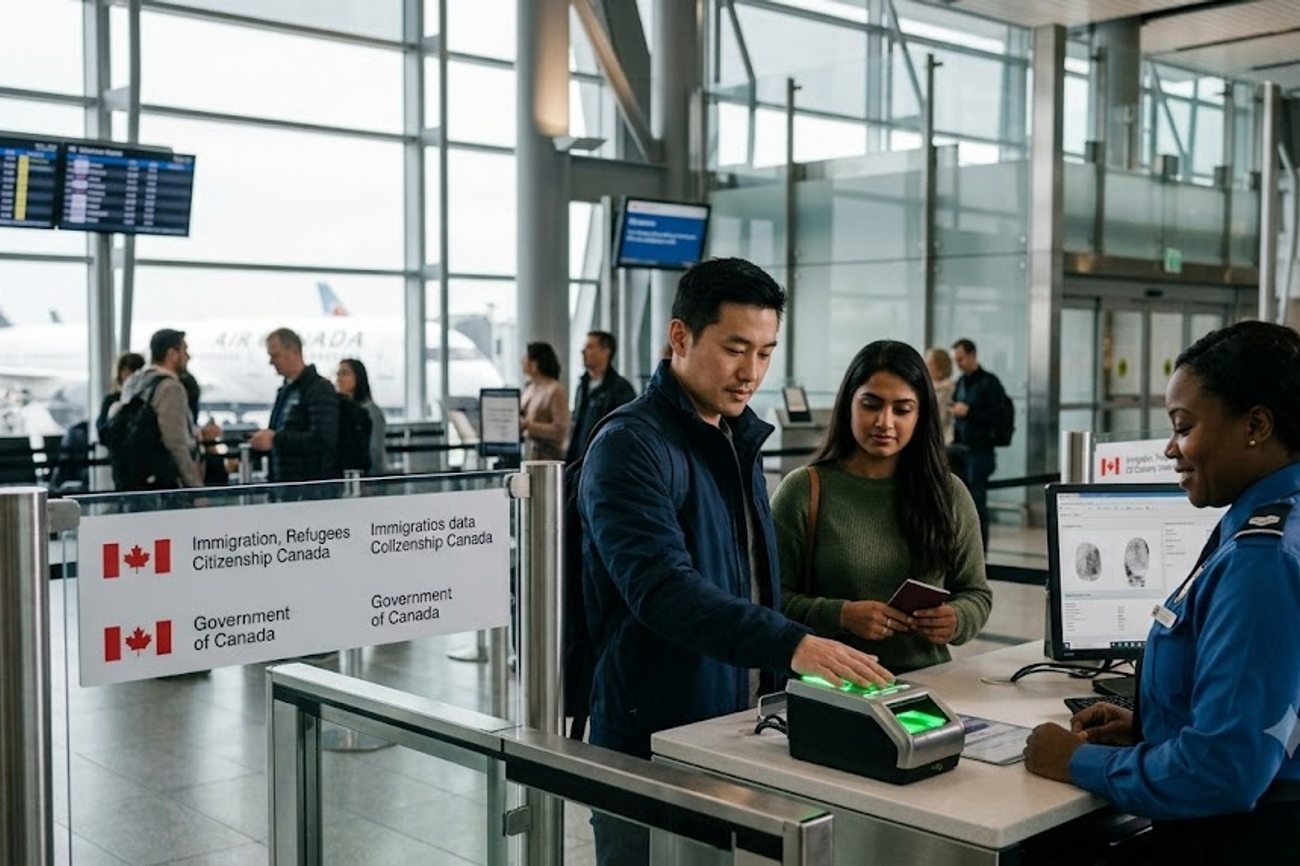
Image generated by AI
Canada's shift toward mandatory biometric verification for nearly all temporary and permanent residents marks a pivot toward a "security-first" border model, mirroring a global trend where identity verification is moving from document-based to biological-based systems. While traditional visa processing once relied heavily on the validity of a passport, the integration of fingerprints and digital photography into the core application workflow signals a systemic move to eliminate identity fraud before the traveler even reaches the port of entry. This evolution aligns with broader patterns seen in the International Air Transport Association (IATA) guidelines for One ID, which aim to replace physical documents with biometric tokens to streamline passenger flow and enhance security.
The Biometric Mandate in Numbers
The Canadian government has formalized a rigorous identity verification pipeline that targets four primary applicant categories. The data indicates that the biometric requirement is no longer an exception but a baseline for the following groups:
- Temporary Residents: This includes all individuals applying for visitor visas, study permits, and work permits.
- Permanent Residents: All applicants seeking permanent status must undergo biometric collection.
- Stay Extensions: Individuals applying to extend their legal stay within Canada are required to provide biometrics, unless they originate from a visa-exempt nation.
- Asylum Seekers: All refugee and asylum applications are now subject to these identity checks.
The operational mechanism relies on the Biometric Instruction Letter (BIL). This is not a visa, but a mandatory trigger document issued by Immigration, Refugees and Citizenship Canada (IRCC) only after the application is submitted and the associated biometric fee is paid. The data flow follows a strict four-stage linear progression: Application Submission $\rightarrow$ BIL Issuance $\rightarrow$ Appointment Booking $\rightarrow$ Physical Collection.
Comparative Identity Verification Trends
When comparing Canada's current biometric trajectory to historical norms and regional peers, we see a clear shift toward "pre-clearance" identity verification. Historically, identity checks were conducted primarily at the border; now, the burden of proof is shifted to the pre-application phase.
The following table illustrates the shift in identity verification benchmarks for North American travel entry:
| Verification Metric | Traditional Model (Pre-2020s) | Modern Biometric Model (2026) | Shift Impact |
|---|---|---|---|
| Primary ID Source | Physical Passport/Visa | Fingerprints + Digital Photo | Higher Fraud Resistance |
| Verification Timing | At Port of Entry | Pre-Visa Issuance | Reduced Border Bottlenecks |
| Process Trigger | Arrival at Customs | Biometric Instruction Letter (BIL) | Structured Application Flow |
| Data Scope | Visual Match (Photo) | Biological Match (Fingerprints) | Near-Zero Identity Duplication |
| Exemption Rate | High (Based on Nationality) | Low (Specific Age/Diplomatic) | Universalized Security Standard |
This transition is not isolated to Canada. According to data trends often tracked by Statista, the global biometric market is expanding as nations move toward "frictionless travel." By requiring biometrics before the visa is granted, Canada is effectively outsourcing the identity verification process to official collection centers worldwide, ensuring that the person arriving at the border is the exact individual who was vetted during the application phase.
What This Means for Travelers
For the individual traveler, student, or foreign professional, these data-driven shifts change the timeline and cost of planning a trip to Canada. The biometric requirement adds a physical layer to what was previously a digital or paper-based process.
1. The "Hidden" Lead Time: Travelers can no longer assume that submitting an online application is the final step. Because you must wait for the Biometric Instruction Letter (BIL) before booking an appointment, you must add 2–4 weeks to your planning horizon. If you are planning a visit in Q4, starting the process 12–16 weeks in advance is now the recommended benchmark to account for appointment availability at official collection centers.
2. Financial Planning: The biometric fee is a non-refundable prerequisite. Travelers must budget for this separate cost upfront, as the BIL will not be issued until the payment is processed.
3. Documentation Precision: The requirement to present both the BIL and a valid passport at the collection center leaves zero margin for error. A mismatch in name spelling or a missing letter will result in a failed appointment and a potential reset of the application clock.
Projection: The Move Toward Biological Passports
Based on the current trajectory of IRCC's awareness campaigns and the integration of biometric data, we can project a move toward a fully integrated biological identity profile. We are likely heading toward a system where the physical visa sticker becomes obsolete, replaced by a digital link between the traveler's biometric profile and their travel authorization.
As Canada strengthens its protection against identity fraud, we expect to see the "visa-exempt" list shrink. As biometric technology becomes cheaper and more accessible globally, the incentive to maintain exemptions decreases, as the security benefits of universal biometric screening outweigh the convenience of exempting specific nationalities. This mirrors the global trend toward the World Tourism Organization (UNWTO) goals of enhancing sustainable and secure tourism through digital transformation.
The integration of these systems will likely lead to "biometric corridors" where trusted travelers can move through airports using facial recognition linked directly to the fingerprints provided during their initial visa application.
FAQ: Canada Biometric Requirements 2026
Will visa processing times increase due to biometrics? Yes, effectively. While the actual scanning is fast, the requirement to wait for a BIL and schedule a physical appointment adds a mandatory time block to the overall application timeline that did not exist in older systems.
Is this a good time to book flights to Canada? Only after you have received your BIL and completed your biometric appointment. Booking non-refundable flights before the biometric stage is risky, as your application cannot move forward without this identity verification.
Which airlines are expanding on these routes? Airlines are not directly affected by the biometric rules, but carriers with high volumes of student and worker traffic are seeing a shift in booking patterns, with travelers delaying ticket purchases until visa approval.
Are there any ways to skip the biometric process? Only if you fall into specific exemption categories, such as certain Canadian citizens, existing permanent residents, or specific diplomatic and age-based exemptions. Most temporary residents must comply.
The era of the paper-based identity is ending; the biological signature is the new gold standard for global mobility.
#CanadaVisa2026 #IRCCBiometrics #IdentityVerificationTrends #NorthAmericaTravelData #VisaProcessingMetrics #BorderSecurityEvolution
Related Travel Guides
Disclaimer
This article is for informational and educational purposes only. It does not constitute legal, financial, or professional advice. While we strive to provide accurate and up-to-date information, travel policies, regulations, and conditions change rapidly. Always verify information with official sources before making travel decisions. Nomad Lawyer makes no representations about the accuracy, reliability, completeness, or suitability of the information provided. Readers should consult qualified professionals for advice specific to their circumstances. The views expressed in this article are those of the author and do not necessarily reflect the views of Nomad Lawyer.
Raushan Kumar
Founder & Lead Developer
Full-stack developer with 11+ years of experience and a passionate traveller. Raushan built Nomad Lawyer from the ground up with a vision to create the best travel and law experience on the web.
Learn more about our team →