
China Steps Up With Oman And More Nations To Offer Peace Efforts That Could Transform Middle East Tourism
China Steps Up With Oman And More Nations To Offer Peace Efforts That Could Transform Middle East Tourism

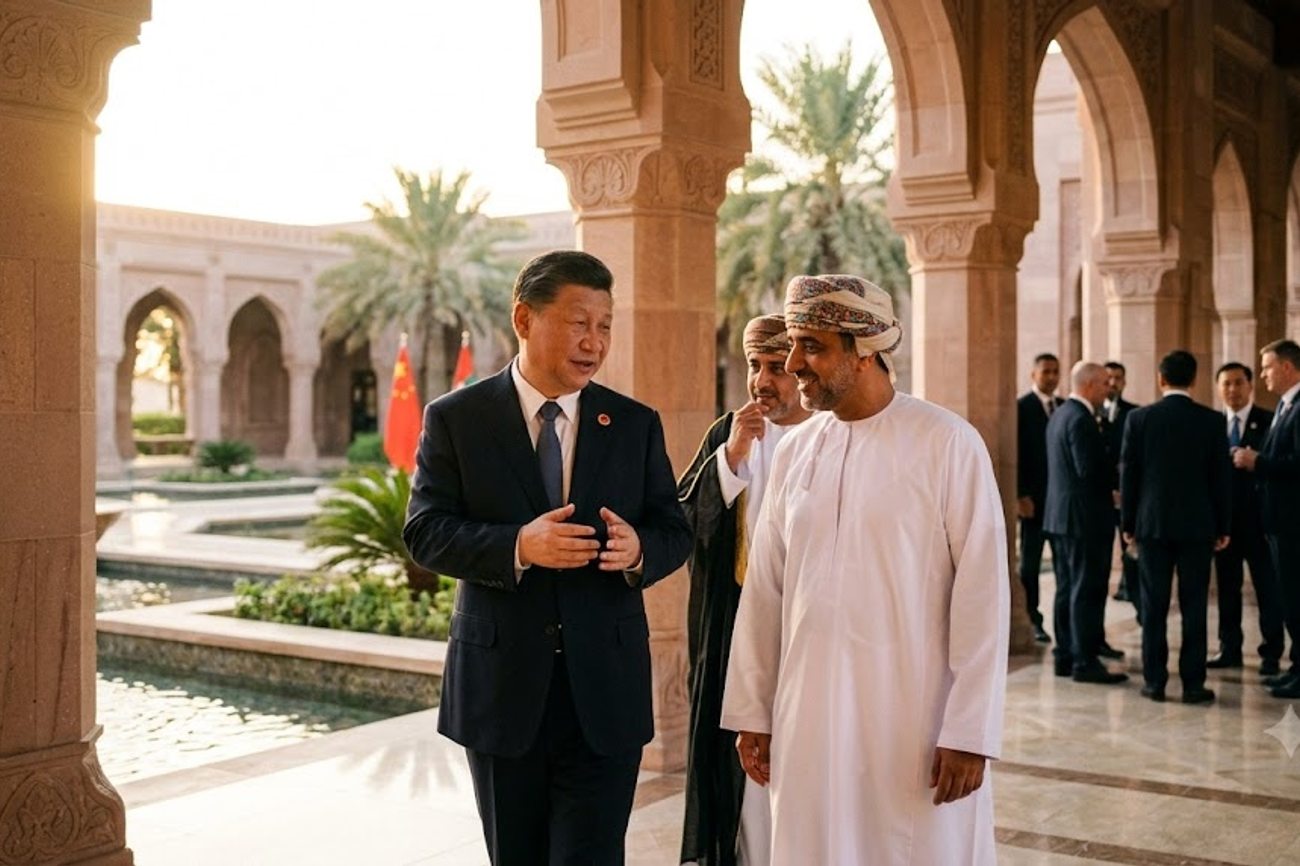
Image generated by AI
[Muscat, September 13, 2026] — China is spearheading a coordinated diplomatic offensive alongside Oman and a coalition of global powers to broker peace in the Middle East, a move designed to stabilize one of the world's most volatile yet critical aviation and tourism corridors.
President Xi Jinping has formally called upon BRICS nations to intensify their involvement in establishing regional security. This strategic push aims to facilitate high-level negotiations between the United States and Iran, targeting the systemic instability that continues to threaten global energy markets, international trade, and the security of transcontinental flight paths.
Diplomatic Drivers of Regional Stability
The current initiative is triggered by a growing recognition that prolonged tensions in the Middle East create an unacceptable risk profile for global connectivity. Beijing is leveraging its expanding diplomatic footprint to shift the region away from confrontation and toward a structured dialogue.
Central to this effort is the Sultanate of Oman, which continues to serve as the primary neutral conduit between Washington and Tehran. Because direct communication between the U.S. and Iran remains fractured, Muscat provides the essential "back-channel" infrastructure required for indirect negotiations.
This diplomatic framework is not limited to China and Oman. A broader coalition including Qatar, Pakistan, Russia, India, and various Gulf Cooperation Council (GCC) states is now aligning to prevent further escalation. The involvement of the BRICS bloc—which now encompasses China, India, Russia, Brazil, South Africa, Iran, Egypt, Ethiopia, Indonesia, and the United Arab Emirates—provides a multilateral platform to address security concerns that directly impact the International Civil Aviation Organization (ICAO) standards for safe airspace management.
Markets and Hubs Under Pressure
The success of these peace efforts directly impacts several high-traffic aviation hubs and national tourism markets. The following entities are most exposed to the current volatility:
- Qatar: As a primary global connector, Qatar relies on the stability of its airspace to maintain the efficiency of its international airport, which links Asia, Europe, Africa, and the Americas.
- Oman: Positioned as a safe-haven destination, Oman seeks to solidify its status as a tourism gateway to the Gulf.
- United Arab Emirates (UAE): With massive investments in luxury tourism and business travel, the UAE requires a predictable political environment to sustain its growth trajectory.
- Saudi Arabia: The Kingdom's diversification efforts away from oil depend heavily on the confidence of international leisure travelers.
- India: As a primary source market for Middle East tourism, India requires secure air corridors to maintain its high volume of passenger traffic to the Gulf.
What This Means for Travelers
For the average passenger or travel agent, these diplomatic maneuvers translate into several practical implications for booking and transit:
Flight Path Reliability Regional tensions often lead to sudden airspace closures or rerouting, resulting in longer flight times and increased fuel surcharges. A successful diplomatic resolution would stabilize flight paths, reducing the likelihood of sudden cancellations or diversions for flights crossing the Middle East.
Insurance and Pricing Political instability typically drives up aviation insurance premiums for carriers. When these costs drop due to increased stability, airlines may be able to stabilize or lower ticket prices for routes connecting East Asia to Europe.
Destination Confidence Travelers currently weigh "perceived risk" when choosing between Gulf destinations. A formal peace process increases the likelihood of fewer travel advisories from government agencies, encouraging a shift from short-term business trips to longer-term leisure tourism.
Cruise and Maritime Access Stability in the Strait of Hormuz—one of the world's most strategic maritime passages—is essential for the revival of cruise tourism. Travelers booking cruises in the Gulf can expect more consistent itineraries and fewer security-related route changes if diplomatic tensions ease.
The Roadmap to Recovery
The immediate focus for the coalition is to establish a sustainable framework for U.S.-Iran discussions. China's interest is not purely altruistic; Beijing's economic security is tied to the uninterrupted flow of energy and the viability of its international transport routes.
Should these negotiations yield a ceasefire or a formal diplomatic thaw, the region is expected to enter a new phase of tourism development. This would likely trigger a surge in hospitality investment, as international hotel chains and resort developers typically avoid markets with unpredictable political risks.
Furthermore, the Qatar Airways and Emirates hubs would likely see an increase in transit tourism, where passengers utilize stopovers to explore the region rather than simply passing through. The long-term goal is to transform the Middle East from a region of "managed risk" to a primary global destination for luxury and cultural tourism.
FAQ: Middle East Travel Stability 2026
Will my flights be affected by these diplomatic talks? In the short term, no. However, if these efforts lead to reduced tensions, you may see fewer sudden airspace closures and more consistent scheduling for flights transiting through the Gulf.
Is it currently safe to visit Oman or Qatar? Yes, both Oman and Qatar are regarded as some of the safest destinations in the region. The current diplomatic efforts are intended to ensure this stability remains permanent across the wider Middle East.
How does a peace deal affect ticket prices? Lower regional tension typically reduces airline operating costs, specifically regarding insurance and fuel spent on rerouting. This can lead to more competitive pricing for international travelers.
What should I do if my flight is rerouted due to regional tension? Always monitor official updates from your airline and the Federal Aviation Administration (FAA) or equivalent national body. Ensure your travel insurance covers "political instability" or "trip interruption."
Diplomacy is now the primary engine for the Middle East's tourism recovery.
#ChinaDiplomacy2026 #OmanTourism #MiddleEastAviation #BRICSStability #MuscatHub #IranUSRelations
Related Travel Guides
Disclaimer
This article is for informational and educational purposes only. It does not constitute legal, financial, or professional advice. While we strive to provide accurate and up-to-date information, travel policies, regulations, and conditions change rapidly. Always verify information with official sources before making travel decisions. Nomad Lawyer makes no representations about the accuracy, reliability, completeness, or suitability of the information provided. Readers should consult qualified professionals for advice specific to their circumstances. The views expressed in this article are those of the author and do not necessarily reflect the views of Nomad Lawyer.
Naina Thakur
Contributor & Travel Specialist
Travel enthusiast and legal writer covering visa regulations, responsible tourism, and cultural journeys across global destinations.
Learn more about our team →