
Canada–United States: Air Canada Near-Miss at JFK Runway Sparks Safety Review
A critical runway incursion between Air Canada and EVA Air aircraft at New York JFK on March 12, 2026, has triggered federal investigations and renewed safety protocols across Canada–United States aviation corridors.

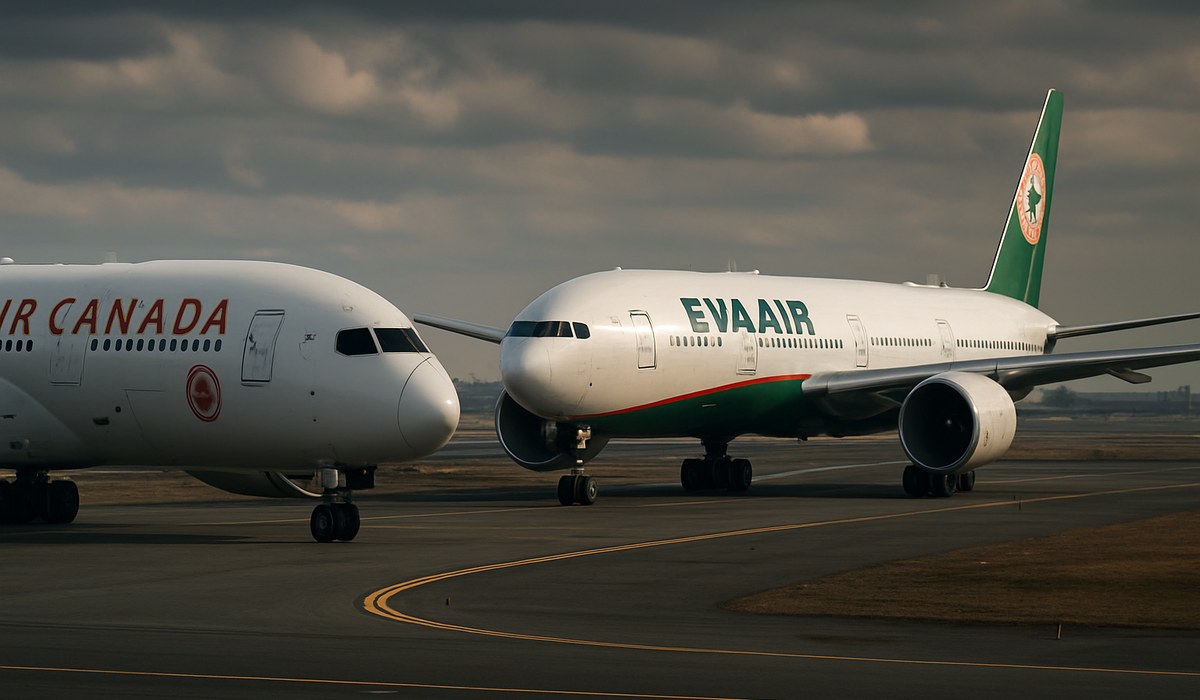
Image generated by AI
Breaking: Runway Incursion Incident at JFK Airport
Air Canada and EVA Air aircraft came within critical safety margins on March 12, 2026, during a high-risk runway incursion at New York's John F. Kennedy International Airport (JFK). The incident occurred during daylight operations when an Air Canada regional service narrowly avoided collision with an EVA Air Boeing 777 on an active runway. Federal Aviation Administration (FAA) investigators confirmed both aircraft maintained safe separation through automated warning systems and pilot intervention. The near-miss between these Canada–United States carriers underscores growing capacity challenges at one of North America's busiest terminals.
Air Canada Flight Operations Affected by Safety Investigation
Air Canada suspended several regional operations from JFK on March 12 and March 13 as FAA investigators documented the runway incursion sequence. The carrier operates approximately 18 daily transatlantic and regional flights from New York terminals. The Canadian airline's operational footprint includes connections to Toronto Pearson (YYZ), Montreal-Trudeau (YUL), and dozens of US destinations via codeshare agreements. Air Canada issued a statement confirming crew actions aligned with all established protocols. Safety audits now require mandatory ground control reviews before all runway crossings at JFK. Visit FlightAware for real-time operational status updates.
EVA Air 777 Safety Review and Route Implications
EVA Air's Boeing 777 fleet operates limited North American routes with JFK as a primary gateway to Canada–United States markets. The March incident prompts enhanced pre-departure safety briefings for all EVA Air crews. The Taiwan-based carrier maintains rigorous safety records across its international network. EVA Air confirmed both crews received commendations for situational awareness and adherence to separation protocols. Enhanced ground communication procedures now apply to all EVA Air arrivals and departures at JFK. The FAA has implemented additional spacing requirements between successive runway operations.
JFK Runway Operations and Safety Protocol Changes
John F. Kennedy International Airport operates four parallel runways handling 900+ daily movements. The March 12 near-miss occurred on a westbound runway during peak afternoon operations. Airport authorities implemented tighter coordination protocols between ground control, tower operations, and aircraft guidance systems. Runway incursions remain the FAA's top safety priority, with JFK experiencing 15–18 reportable incidents annually across all carriers. Enhanced training mandates now require controllers to issue dual-verification clearances before runway entries. The airport invested $2.1 billion in upgraded ground radar and lighting systems through 2024.
Passenger Impact and Flight Cancellations
Approximately 2,400 passengers experienced delays exceeding two hours on March 12 and March 13 as JFK ground crews processed safety audits. Air Canada cancelled 12 regional flights and delayed 31 transatlantic services. EVA Air postponed one scheduled departure and rerouted connections through Boston Logan (BOS) and Newark (EWR). Airlines issued complimentary meal vouchers and ground transportation for stranded passengers. Hotel accommodations were provided for overnight delays exceeding eight hours. Affected travelers on Canada–United States routes received priority rebooking on alternate carriers without penalties.
| Metric | Value/Details |
|---|---|
| Incident Date | March 12, 2026 |
| Airport (ICAO/IATA) | KJFK / JFK |
| Airlines Involved | Air Canada, EVA Air |
| Aircraft Separation Distance | Within FAA automated warning threshold |
| Passengers Directly Affected | Approximately 2,400 |
| Flight Cancellations | 12 Air Canada regional flights |
| Flight Delays | 31+ delayed services; up to 4 hours |
| Safety Protocol Changes | Dual-verification runway clearances |
| Investigation Status | Active FAA review; preliminary report expected April 2026 |
What This Means for Travelers
Passengers booking Canada–United States flights through JFK should expect operational adjustments through April 2026. Most flights resume normal schedules by April 1, though delays may persist during peak hours. Verify real-time status 24 hours before departure via airline apps or FlightAware. Book connections with minimum 2.5-hour layovers at JFK due to enhanced ground procedures. Airlines now require earlier check-in (3 hours international) to accommodate safety protocol reviews. Travel insurance covering flight delays is strongly recommended for spring bookings. Contact US Department of Transportation if entitled to compensation under federal rules.
Traveler Action Checklist
- Confirm your flight 48 hours ahead using your airline's mobile app or website directly.
- Add 30 minutes to estimated ground time when planning JFK connections through April 2026.
- Request written rebooking confirmation if your flight is cancelled; photograph all correspondence.
- Claim meal vouchers and hotel accommodation if your delay exceeds regulatory thresholds (typically 3+ hours).
- File a compensation claim with US DOT for eligible Canada–United States flights within one year of incident.
- Purchase comprehensive travel insurance covering flight disruptions and airline insolvency for future bookings.
FAQ: Canada–United States Travel Through JFK
Will my Canada–United States flight through JFK be cancelled? Most Air Canada and EVA Air flights resume normal operations by March 25, 2026. Flight cancellations are unlikely unless your booking falls between March 12–15. Check your airline's website for status updates. Only regional Air Canada services experienced outright cancellations; transatlantic routes operated with manageable delays.
What compensation am I entitled to if my flight is delayed? Under US Department of Transportation rules, Canada–United States passengers receive $400–$600 compensation for delays exceeding 3 hours. Air Canada and EVA Air automatically apply credits to affected bookings. You may file additional claims through the US DOT website if the airline does not offer timely compensation.
How long will runway safety protocol changes impact JFK operations? Enhanced dual-verification procedures remain in effect through June 2026 as FAA compliance reviews continue. These measures add 2–5 minutes per runway crossing but do not cause systemic delays. Peak-hour operations (7–9 AM, 4–7 PM) may see longer ground waiting times. Expect normal conditions by mid-April as crews master new procedures.
Should I rebook my JFK flight for a different airport? Rerouting through Boston Logan (BOS) or Newark (EWR) is optional but not necessary for most travelers. JFK remains safe and operational. Switching airports may increase total travel time by 90+ minutes and incurs rebooking fees. Contact your airline to explore alternatives if you prefer maximum schedule certainty.
Related Travel Guides
New York JFK Airport: Essential 2026 Ground Transportation Guide Canada–United States Flight Delays: Your Passenger Rights Air Canada Flight Status and Seat Selection Tips
Disclaimer
This article is for informational and educational purposes only. It does not constitute legal, financial, or professional advice. While we strive to provide accurate and up-to-date information, travel policies, regulations, and conditions change rapidly. Always verify information with official sources before making travel decisions. Nomad Lawyer makes no representations about the accuracy, reliability, completeness, or suitability of the information provided. Readers should consult qualified professionals for advice specific to their circumstances. The views expressed in this article are those of the author and do not necessarily reflect the views of Nomad Lawyer.
Preeti Gunjan
Contributor & Community Manager
A passionate traveller and community builder. Preeti helps grow the Nomad Lawyer community, fostering engagement and bringing the reader experience to life.
Learn more about our team →